


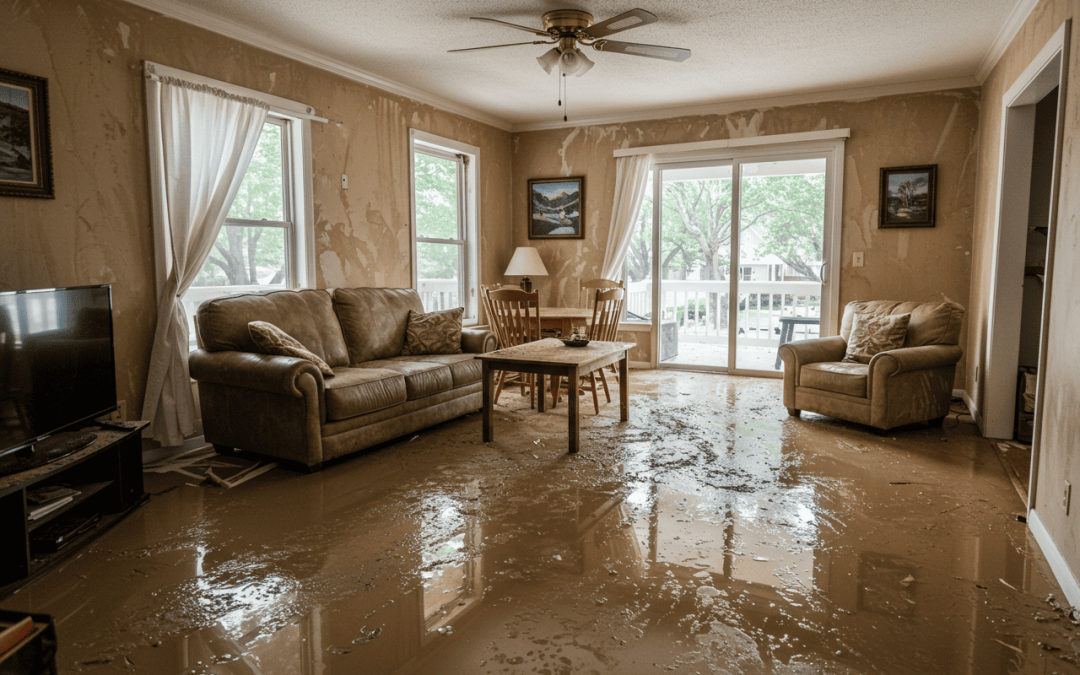
Water damage rarely announces itself with a price tag. One moment you have a burst pipe or a storm-soaked ceiling, and the next you are trying to figure out whether the cost of professional water damage restoration is going to be manageable or catastrophic. In Anna, TX, where Collin County’s severe storm seasons and clay-heavy soils create predictable annual water damage risk, understanding what drives that cost before you need to make the call is one of the most financially useful things a homeowner or landlord can know.
What Professional Water Damage Restoration Typically Costs in Anna
Restoration costs vary more than most homeowners expect. Two properties on the same street with what looks like similar damage can produce estimates that differ by thousands of dollars. That range is not arbitrary. It reflects real differences in scope, materials, and response timing.
For a contained single-room event caught quickly, such as an appliance overflow or a supply line failure addressed within a few hours, professional water damage restoration in the Anna area typically runs between $1,200 and $3,500. That range covers water extraction, structural drying with calibrated equipment, moisture documentation, and antimicrobial treatment of affected surfaces.
Multi-room events involving subfloor saturation, wall cavity moisture, or affected insulation move into a higher range. Those projects commonly run between $3,500 and $8,000 for the water restoration phase alone, before any reconstruction work begins. Larger events, such as storm flooding that affects a significant portion of the structure, or a slow leak that has been present for weeks before discovery, can move well past that range depending on structural involvement and material replacement scope.
These figures represent mitigation and drying only. Reconstruction, replacing drywall, flooring, cabinetry, and insulation, is a separate cost that follows the mitigation phase. For planning purposes, budgeting mitigation and reconstruction as distinct line items gives a more accurate picture of total recovery cost than combining them into a single estimate upfront.
The Variables That Push Your Restoration Cost Higher
Understanding what drives costs up gives you the ability to influence those variables where possible, and to recognize when a higher quote is justified rather than inflated.
Response time is the single most controllable cost variable in any water damage restoration project. Anna’s summer humidity regularly exceeds 60 to 70 percent, and Collin County’s clay soils hold moisture at the foundation level year-round. In those conditions, building materials that are wet for more than 24 hours begin accumulating mold risk at a rate that changes the scope of the project. The difference between a mitigation-only project and one that requires mold removal as well can easily represent $2,000 to $5,000 in additional cost. Acting within the first few hours of a water event is the most direct way to keep the final number manageable.
Water category also affects cost significantly. Category 1 clean water events from supply lines or appliances require the least intensive protocols. Category 2 grey water events from washing machines, dishwashers, or HVAC condensate require additional handling precautions. Category 3 events, which include floodwater from outside sources or sewage-related backups, require containment protocols, regulated material disposal, and antimicrobial treatment at a level that adds meaningful cost to the restoration scope. In Anna, heavy rainfall events that overwhelm drainage systems and push water through foundation walls or low-grade entry points often result in Category 3 classifications, particularly in neighborhoods near Collin County’s creek corridors.
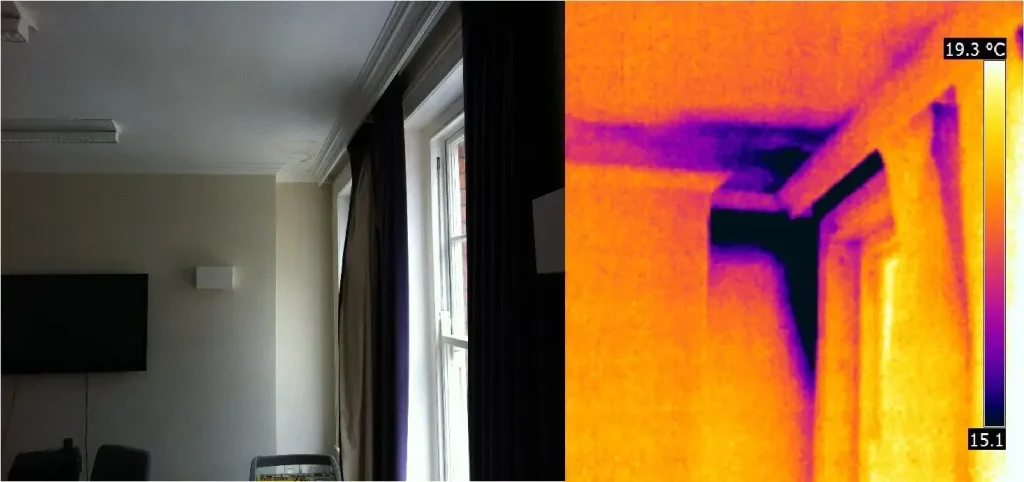
Structural involvement is the third major cost driver. A water event that stays on hard surface floors is a fundamentally different project from one that has saturated subfloor assemblies, migrated into wall cavities, or reached insulation in the ceiling or floor system. Thermal imaging during assessment reveals these hidden moisture zones. When they are present, the drying scope expands and the timeline extends, both of which increase labor and equipment costs.
How Insurance Coverage Works and Where It Helps Most
Most standard homeowner insurance policies in Texas cover sudden and accidental water damage, and professional water damage restoration is a covered expense when the triggering event qualifies. For many Anna homeowners, the out-of-pocket cost of a professionally managed restoration project is the deductible, not the full invoice.
The conditions that affect coverage are worth understanding before a water event occurs:
- Sudden and accidental events are covered. A burst pipe, a failed supply line, an appliance malfunction that floods the kitchen. These are the situations most standard policies address.
- Gradual leaks are typically excluded. A slow drip that has been present for months before causing visible damage is often treated as a maintenance failure rather than a covered loss. This is one of the more common and more painful claim denials Anna homeowners encounter.
- Flood damage from outside sources requires separate flood insurance. Standard homeowner policies do not cover water that enters from overland flooding, storm surge, or ground saturation. Collin County has seen significant storm flooding events in recent years, and homeowners in lower-elevation neighborhoods near Anna’s creek systems who rely on standard homeowner coverage for flood protection are carrying uninsured risk.
- The duty to mitigate applies. Texas insurers expect policyholders to take reasonable steps to prevent additional damage after a covered loss. Homeowners who delay calling a professional, attempt inadequate DIY drying, or fail to document damage before cleanup begins can find that secondary damage is treated as a preventable loss rather than part of the covered event.
A professional water damage restoration company provides the documentation that supports a complete and accurate claim. Moisture mapping reports, drying logs, and photographic documentation of the full damage footprint give your adjuster the measured evidence needed to process the claim without disputes over scope.
Where Homeowners and Landlords Lose Money on Water Damage Restoration
The most expensive water damage restoration projects in Anna are almost never the result of an unusually severe event. They are the result of decisions made in the hours and days after a manageable event that allowed it to become something larger.
These are the patterns that consistently produce the highest final costs:
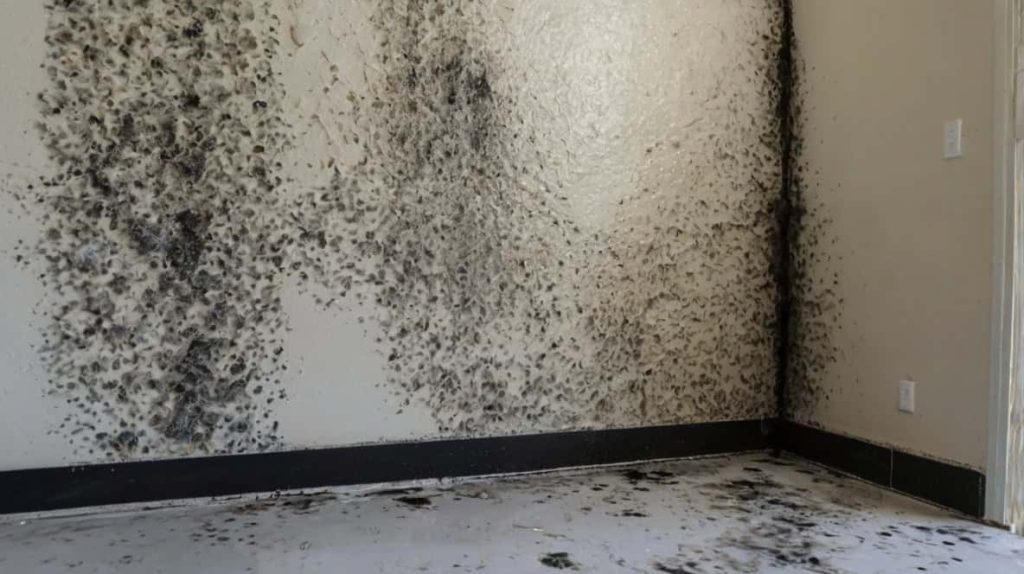
- Waiting to see if it dries on its own. Building materials that look dry on the surface retain moisture inside for days after a water event. In Anna’s humidity, that retained moisture produces mold in wall cavities and subfloor assemblies that is invisible until it is already extensive. A project that was a $2,000 mitigation call on day one becomes a $7,000 mitigation and mold removal project by day five.
- Using household fans as a drying strategy. Consumer fans move surface air. They do not extract moisture from inside building materials, create the directional pressure needed to dry wall cavities, or dehumidify the ambient air at the rate industrial equipment provides. Homes dried with household fans following a significant water event consistently show elevated moisture readings when a professional inspects them days later.
- Attempting partial cleanup before professional assessment. Removing damaged materials, discarding wet contents, and cleaning surfaces before a restoration professional documents the damage creates gaps in the evidence record that insurance adjusters cannot fill retroactively. That documentation gap directly affects what the policy pays.
- Hiring a general contractor for mitigation work. General contractors manage reconstruction. They are not trained in moisture science, structural drying protocols, or the IICRC standards that define professional water damage restoration. A property that is reconstructed without a proper mitigation and drying phase carried out by a certified restoration company will develop secondary problems, typically mold, within months.
The Investment That Keeps the Total Cost Predictable
Professional water damage restoration is not the expensive part of a water event. It is the part that determines how expensive everything else becomes. In Anna, where storm seasons are active, drainage infrastructure is still catching up with rapid population growth, and the clay soil environment creates persistent foundation moisture pressure, the cost of inadequate water restoration is paid reliably over time in mold removal, structural repairs, and property value reduction.
Homeowners and landlords who engage a certified restoration company within the first few hours of a water event, document thoroughly, and allow the professional mitigation process to run completely before reconstruction begins consistently face the most predictable and most manageable total recovery costs. That outcome is available to every Anna property owner. It starts with a single call made at the right moment.
Get an Honest Assessment Before the Cost Has Room to Grow
The team at Rainy Day Restoration and Roofing is ready to help. Contact us today to dispatch a certified water damage restoration crew to your Anna, TX property and get a transparent, documented assessment of what your recovery will take before any additional time works against you.