





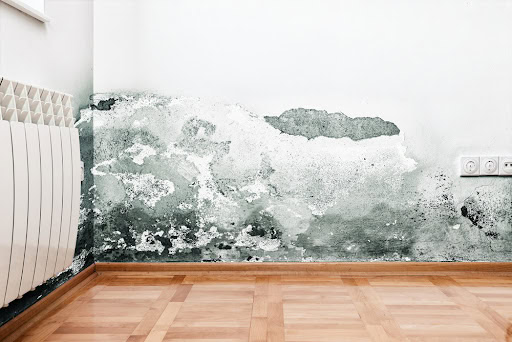
Mold rarely announces itself clearly. It develops quietly, often in spaces you do not regularly see, and by the time it becomes obvious, it has usually spread further than the visible growth suggests. McKinney property owners frequently miss the early signals that indicate a developing mold problem, which allows a manageable situation to become an expensive remediation project. This checklist gives you a practical way to assess whether your property has signs of a mold issue that warrants professional attention before it spreads further.
Signs You Can See
The most obvious mold indicators are visible, but many property owners misinterpret what they are seeing or assume that small visible growth is not significant. Run through these visual indicators throughout your McKinney property.
Check for these visible signs in every room, paying particular attention to bathrooms, kitchens, basements, and areas near windows:
- Visible mold growth in any color, including black, green, white, orange, or brown patches on walls, ceilings, or surfaces
- Discoloration or staining on walls, ceilings, or around windows that may indicate mold growth or the moisture conditions that produce it
- Dark grout lines or caulk in bathrooms and kitchens, particularly when the discoloration does not clean away with normal cleaning
- Warping, bubbling, or peeling of paint, wallpaper, or other wall finishes, which often indicates moisture behind the surface
- Visible growth on HVAC vents or registers, which can indicate mold in the duct system distributing spores throughout the property
- Frost-like or fuzzy growth in cool, humid areas like basements, crawl spaces, and behind furniture against exterior walls
Any visible mold growth warrants attention. Growth larger than roughly 10 square feet, growth that recurs after cleaning, or growth in multiple locations typically indicates a problem that requires professional mold remediation rather than DIY cleaning.
Signs You Can Smell
Mold often reveals itself through odor before visible growth appears. The musty, earthy smell associated with mold results from compounds the organism produces as it grows, and the human nose can detect these compounds at concentrations below what produces visible growth.
Pay attention to these odor indicators:
- Persistent musty or earthy odors in any room, particularly if the smell intensifies in humid conditions or when the HVAC system runs
- Odors that concentrate in specific areas, which can help identify where hidden mold may be developing
- Smells that return after cleaning, indicating that the source of the odor has not been addressed
- Stronger odors in enclosed spaces like closets, basements, and crawl spaces where air circulation is limited
- Odors associated with the HVAC system, which may indicate mold growth in ductwork, the air handler, or the cooling coils
In McKinney’s climate, where summer humidity and air conditioning use create condensation conditions, HVAC-related mold odors are particularly common. A musty smell that emerges when the air conditioning runs frequently indicates mold growth within the system that requires professional assessment.
If you detect persistent mold odors but cannot locate visible growth, the mold is likely developing in a concealed space. A professional mold inspection can locate hidden growth through moisture mapping and air quality assessment.

Signs in How People Feel
Mold affects the health of the people occupying a property, and sometimes the health symptoms appear before the mold itself is detected. While health symptoms can have many causes, a pattern of symptoms that correlates with time spent in the property is worth investigating.
Watch for these health-related indicators:
- Respiratory symptoms including coughing, wheezing, or shortness of breath that improve when away from the property
- Allergy-like symptoms including sneezing, runny nose, itchy eyes, or congestion that persist or worsen indoors
- Headaches or fatigue that correlate with time spent in specific areas of the property
- Skin irritation including rashes or itching without another obvious cause
- Worsening of existing conditions in occupants with asthma, allergies, or respiratory sensitivities
- Symptoms that affect multiple occupants, which suggests an environmental cause rather than individual illness
The connection between symptoms and the property is the key signal. If symptoms consistently improve when occupants leave the home and return when they come back, indoor air quality, potentially including mold, is a likely contributor. This pattern is particularly important for McKinney families with children, elderly residents, or anyone with respiratory conditions.
Health symptoms alone do not confirm mold, but they are a meaningful prompt for professional assessment, particularly when combined with any of the visual or odor indicators discussed above.
Signs in Your Property’s Moisture History
Mold requires moisture to grow, which means a property’s moisture history is one of the strongest predictors of mold risk. McKinney property owners who understand their property’s moisture exposure can assess mold risk even before visible or olfactory signs appear.
Review your property’s moisture history for these risk factors:
- Past water damage events, including leaks, floods, or plumbing failures, particularly if the drying was handled informally rather than professionally
- Roof leaks, whether currently active or historical, which introduce moisture into attic and ceiling assemblies
- Plumbing leaks, including slow leaks under sinks, behind walls, or in crawl spaces that may have gone undetected
- High indoor humidity, particularly in homes where humidity regularly exceeds 60 percent during McKinney’s humid months
- Poor ventilation in bathrooms, kitchens, and laundry areas where moisture is generated
- Crawl space or basement moisture, including damp conditions, standing water, or inadequate vapor barriers
- Condensation issues on windows, walls, or around HVAC components
Any property with a history of unaddressed or informally addressed water exposure carries elevated mold risk. In McKinney’s climate, where the combination of humidity and air conditioning creates condensation conditions, even properties without obvious water events can develop mold in areas with sustained moisture. A crawl space moisture control assessment is particularly valuable for homes with crawl space construction, where moisture conditions frequently produce mold that goes undetected for extended periods.

What to Do When the Checklist Points to a Problem
If your assessment using this checklist has surfaced multiple indicators, the appropriate next step is professional evaluation rather than DIY response. Mold remediation done correctly addresses not just the visible growth but the full scope of the problem and the underlying moisture source.
When the checklist indicates a potential mold problem, take these steps:
- Do not disturb the mold by attempting to clean or remove it yourself, since disturbing mold releases spores that spread contamination to other areas
- Address any active moisture source if it is safe and straightforward to do so, such as stopping an active leak
- Avoid using bleach or household products on porous surfaces, since these do not effectively remediate mold and can create a false sense of resolution
- Document the conditions you have observed, including photographs and notes about location and extent
- Schedule a professional assessment with a qualified mold remediation company that can identify the full scope and the underlying source
- Avoid running the HVAC system if you suspect mold in the ductwork, since this distributes spores throughout the property
A professional mold remediation approach addresses the problem comprehensively: containment to prevent spread, removal of contaminated materials, treatment of affected surfaces, correction of the moisture source, and verification that the remediation was effective. This comprehensive approach is what distinguishes lasting remediation from the temporary fixes that DIY efforts typically produce.
Catching Mold Early Protects Your Property and Your Health
The McKinney property owners who manage mold most effectively are the ones who recognize the early signals and act before the problem spreads. Mold does not resolve on its own, and the moisture conditions that produce it rarely disappear without intervention. Running through this checklist periodically, particularly after any water event or during McKinney’s humid months, gives you the awareness to catch developing problems while they are still manageable. The cost of early professional assessment is consistently far lower than the cost of remediating mold that has been allowed to spread throughout a property.
Address Mold Before It Spreads Further
The team at Rainy Day Restoration and Roofing is ready to help. Contact us today to schedule a professional mold remediation assessment at your McKinney, TX property and address any developing mold problem before it grows into a larger and more expensive issue.