






When the hailstorm rolled through Allen on a Thursday evening in May, Mark’s roof took a beating he could not fully see from the ground. By Saturday morning, three roofing contractors had already knocked on his door, each one promising the best price and the fastest work. Two weeks later, Mark had learned more about how to choose a roofing contractor than he ever expected to know, and the decisions he made during that window are a useful guide for every Allen property owner who will eventually face the same situation.
The Knock at the Door
The first contractor arrived less than 48 hours after the storm. He was friendly, confident, and ready to start immediately. He told Mark that his roof had obvious hail damage, that he could begin work the following week, and that he would need a signed contract that day to lock in his pricing before his schedule filled up.
Mark felt the pressure. The offer sounded reasonable, the contractor seemed knowledgeable, and the urgency felt real. But something about the same-day pressure made him hesitate.
That hesitation was the best decision Mark made in the entire process. The high-pressure, sign-today approach is one of the most reliable warning signs of a roofing contractor worth avoiding. After a major hailstorm in Allen, out-of-area contractors flood the area looking for quick contracts before moving on to the next storm-hit market. The characteristics Mark noticed are worth recognizing:
- Same-day contract pressure designed to prevent comparison shopping
- An out-of-state phone number on the contractor’s card
- No permanent local business address in the Allen or Collin County area
- Vague answers when Mark asked about licensing and insurance
- A price that seemed almost too good compared to what he expected
Mark thanked the contractor and said he wanted time to consider his options. The contractor’s enthusiasm cooled noticeably, and he left without providing the written documentation Mark had requested.
What Mark Did Differently
Instead of signing with the first contractor, Mark took a more deliberate approach. He recognized that his roof was a significant investment and that the decision deserved more than a 20-minute driveway conversation.
Mark’s process over the following week included several steps that any Allen property owner can replicate:
- He verified licensing and insurance for every contractor he considered, requesting documentation directly rather than taking verbal assurances
- He confirmed local presence, prioritizing contractors with permanent business locations in the Allen and Collin County area
- He requested written estimates with detailed scope rather than verbal quotes or single-number bids
- He checked references from recent local projects, actually calling the references rather than just accepting that they existed
- He researched each company’s reputation through reviews and the contractor’s standing with local business organizations
- He asked specific technical questions about how each contractor would handle his particular roof and the hail damage involved
This process took time that the first contractor’s same-day pressure was designed to prevent. That time investment is precisely what protects property owners from the most common roofing mistakes.

The Difference in the Estimates
When Mark compared the written estimates side by side, the differences told a clear story. The estimates were not simply different prices for the same work. They represented genuinely different scopes of work, different material qualities, and different standards of execution.
The low-bid contractor’s estimate, once Mark finally received it in writing, excluded several items that the qualified roofing contractor estimates included:
- Proper underlayment specification, with the low bid using basic felt while the qualified bids specified synthetic underlayment
- Ice and water shield at vulnerable areas, omitted entirely from the low bid
- Flashing replacement at penetrations, with the low bid planning to reuse existing flashings
- Permit pulling, which the low bid left as the homeowner’s responsibility
- Decking inspection and repair allowance, absent from the low bid
- Manufacturer warranty registration, which the low-bid contractor was not certified to provide
- Cleanup and property protection, treated as optional in the low bid
Once Mark matched the scopes line by line, the price gap between the low bid and the qualified bids largely disappeared. The low bid was not actually cheaper for the same work. It was a different, lesser scope that would have produced a roof more likely to fail prematurely and without the warranty protection the qualified contractors offered.
How the Insurance Process Unfolded
Mark’s roof damage qualified for an insurance claim, which added another dimension to the contractor decision. The qualified roofing contractor he ultimately selected had extensive experience working with insurance claims, and that experience shaped the outcome significantly.
The contractor’s involvement in the insurance process included:
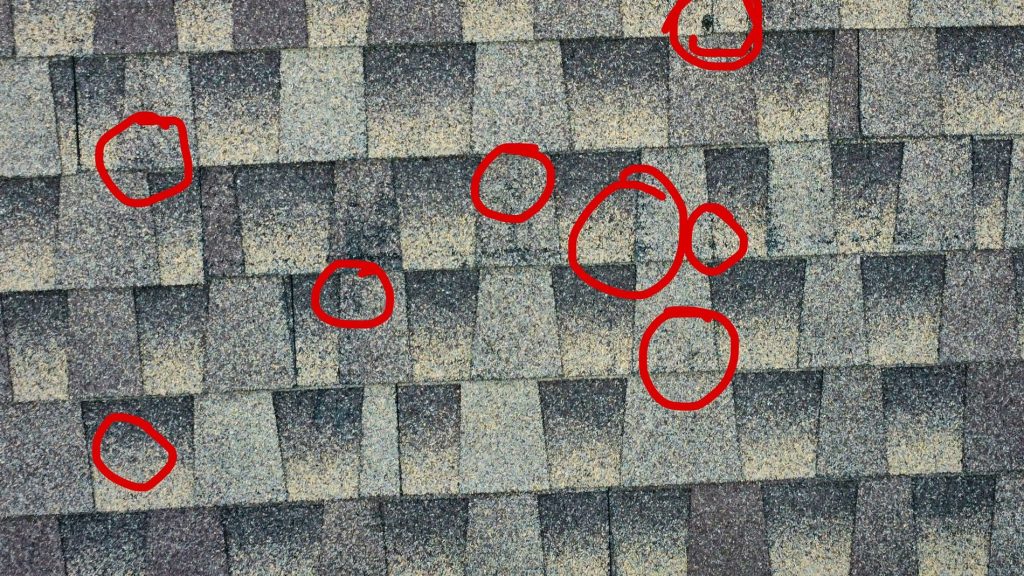
- A thorough damage inspection that documented the full extent of the hail damage, including damage that was not visible from the ground
- Documentation aligned with adjuster standards, including photographs and measurements that supported the claim
- Presence during the adjuster’s inspection, which ensured that all qualifying damage was identified and properly documented
- Identification of damage the initial adjuster assessment had missed, which the contractor documented for a supplement
- Clear communication throughout the claim process about what was covered and what the out-of-pocket cost would be
Because Mark chose a contractor with genuine insurance claim experience, his claim settlement reflected the full scope of the damage. Property owners who select contractors without this experience frequently accept incomplete initial settlements and leave legitimate claim value unrealized. The difference in Mark’s case amounted to several thousand dollars in additional covered scope that the first, high-pressure contractor would likely never have pursued.
What the Project Looked Like and How It Ended
Mark’s roof replacement proceeded smoothly because the qualified contractor operated with the standards that distinguish professional work. The crew arrived when scheduled, protected his landscaping and property during the work, completed the roof replacement in the expected timeframe, and conducted a thorough cleanup including magnetic nail sweeps across his yard and driveway.
At the project’s completion, the contractor walked the finished roof with Mark, provided documentation of the work performed, registered the manufacturer warranty, and supplied the workmanship warranty in writing. Six months later, when a minor concern arose about a flashing detail, the contractor returned promptly to address it under the workmanship warranty.
Mark later reflected on how differently the situation might have unfolded if he had signed with the first contractor who knocked on his door. The most likely scenario, based on the patterns common to storm-chasing operations, would have included:
- A roof installed with lesser materials and excluded scope items
- No permit, creating potential liability and complications for any future property sale
- An incomplete insurance claim that left covered damage unaddressed
- No reliable warranty enforcement once the contractor left the area
- No recourse when issues surfaced months later
The contrast between the two scenarios illustrates why the roofing contractor decision matters so much more than the initial price comparison suggests.
What Allen Property Owners Should Take From Mark’s Experience
Mark’s experience is not unusual. Every significant hailstorm in Allen produces the same pattern: a flood of contractors competing for quick contracts, pressure tactics designed to prevent careful evaluation, and a wide range of quality among the available options. The property owners who navigate this situation well are the ones who resist the pressure, evaluate contractors deliberately, and prioritize qualifications over speed and headline price.
The key lessons from Mark’s experience apply to any Allen property owner facing a roofing contractor decision:
- Resist same-day pressure, since legitimate contractors allow time for careful evaluation
- Verify credentials directly, including license, insurance, and local presence
- Compare scopes, not just prices, by matching estimate specifications line by line
- Prioritize insurance claim experience when storm damage and a claim are involved
- Choose local presence and reputation over the lowest available bid
- Confirm warranty terms for both materials and workmanship before signing
These principles do not require special expertise. They require only the willingness to slow down and evaluate the decision with the care that a major investment deserves.
Make the Roofing Contractor Decision With Confidence
The team at Rainy Day Restoration and Roofing is ready to help. Contact us today to work with a roofing contractor that brings the credentials, local experience, and transparent process your Allen, TX property deserves, without the pressure tactics that make the decision harder than it should be.