


Project Overview
Rainy Day Restoration & Roofing performed mold remediation and moisture mitigation work for a residential property in Dallas, TX. The project involved an interior living area where moisture-related conditions had affected materials below the finished floor surface. Because hidden moisture can move into subflooring, framing, insulation, and floor cavities, our team focused on opening the affected area, documenting conditions, and creating access for cleaning, treatment, and drying.
We do not want to guess at the original cause of loss when that information is not confirmed. What mattered on site was that moisture had reached areas that could not be properly evaluated from the finished surface alone. Our team removed affected flooring materials where needed so the underlying floor system could be inspected and addressed.
This type of residential mold remediation project requires a careful, step-by-step approach. The visible room surface is only one part of the concern. When moisture is trapped below flooring or around wood framing, the work often has to include controlled access, containment, drying equipment, moisture checks, and treatment of exposed materials. That was the focus of our work on this Dallas home.
Project Photos
What We Did
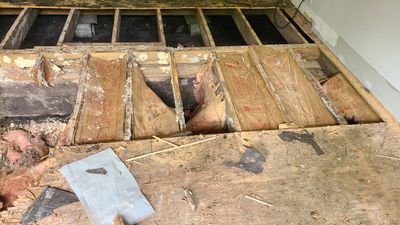
Our team began by identifying the affected interior areas and opening portions of the floor system so we could reach the materials that needed attention. Finished flooring was removed in sections, which exposed structural wood members, joists, and insulation. Creating access was an important part of the mitigation work because hidden materials cannot be properly cleaned, dried, or evaluated if they remain covered.
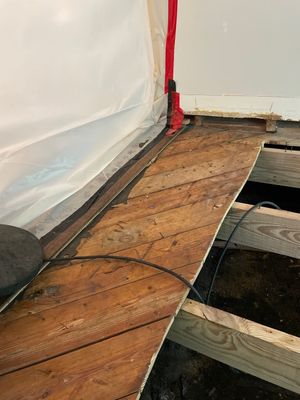
We set up containment sheeting to help separate the work area from the rest of the home while remediation activity was underway. Containment is an important part of mold-related work because it helps limit disruption to unaffected areas and gives technicians a more controlled space for cleaning, treatment, and drying procedures.
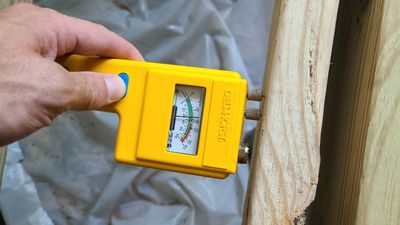
Our team documented moisture conditions during the project. Moisture readings help guide the work because building materials may still hold moisture even when the surface looks dry. Those readings also help create a clearer record for the homeowner, property representatives, or insurance professionals who may need to understand what areas were affected and what steps were taken.
We placed drying equipment in the interior work area to help reduce moisture in affected building materials. Drying access was a major priority on this project. When flooring systems are involved, air movement and dehumidification may be needed to support drying in areas that would otherwise stay damp longer than expected.
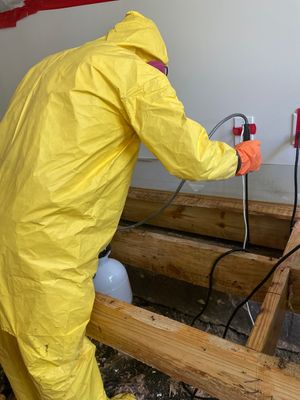
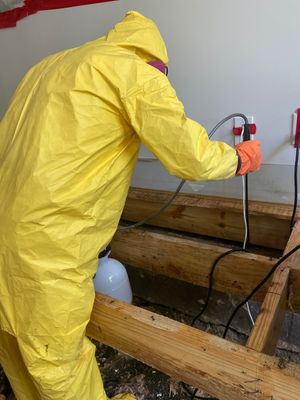
The remediation work also included direct attention to exposed wood surfaces. A technician in protective gear cleaned or treated affected wood components within the opened area. Protective gear is standard on projects where technicians may be working around disturbed materials, exposed insulation, microbial concerns, or surfaces requiring specialized cleaning and treatment.
Throughout the project, our team tracked the condition of the living area, the exposed floor system, equipment placement, containment, and moisture-related findings. This documentation helps keep the job organized and gives the customer a clearer understanding of the work performed.
Why This Work Mattered
Mold remediation inside a home is not just about cleaning what is visible. Moisture problems often continue because water or humidity remains trapped in materials that homeowners cannot see. Flooring, subflooring, joists, insulation, and wall or floor cavities can hold moisture long after the top surface seems normal.
On this Dallas project, opening the affected area gave our team access to the materials that needed evaluation. Without that access, it would have been difficult to understand the extent of the moisture impact or treat the affected components properly. Removing selected materials also allowed drying equipment to do its job more effectively.
Containment mattered because remediation work can disturb materials. By separating the work zone, our team could focus on the affected area while helping protect the rest of the home from unnecessary exposure to dust, debris, or disturbed materials.
Moisture monitoring mattered because visual inspection alone is not enough. Wood and insulation can look acceptable while still holding elevated moisture. Using moisture readings helped us make more informed decisions during the mitigation process rather than relying only on surface appearance.
The project also showed why homeowners should not ignore signs such as musty odors, soft flooring, staining, cupping floors, or recurring humidity concerns. These symptoms may point to conditions below the surface. The sooner the affected areas are inspected, the more options a homeowner may have for limiting additional damage.
Local Service Area
Rainy Day Restoration & Roofing provides mold remediation, water mitigation, and restoration support for homeowners in Dallas, TX and surrounding North Texas communities. Our team works on residential properties where moisture has affected flooring systems, wall cavities, framing, insulation, and other hidden building materials.
Every home is different, and remediation should be based on the actual conditions found on site. For this Dallas residential project, our team focused on controlled access, containment, moisture documentation, drying equipment, and treatment of exposed materials. That practical approach helps homeowners understand what is happening inside the structure and what steps are being taken to address it.
Need Help With Similar Damage?
If you are dealing with suspected mold, musty odors, soft flooring, staining, or moisture concerns inside your home, it is important to have the area inspected before the issue spreads. Hidden moisture can remain below flooring or inside cavities even after the surface appears dry.
Rainy Day Restoration & Roofing can assess the affected areas, document conditions, set containment when needed, create drying access, and perform mold remediation steps based on what we find on site. If you own or manage a property in the Dallas area and are concerned about mold or moisture damage, contact our team to schedule an inspection and discuss the next steps.