


Project Overview
Rainy Day Restoration & Roofing responded to a commercial water mitigation project at a nursing center in Plano, TX. The project involved water damage affecting multiple interior areas of the facility, including finished walls, trim, and spaces where moisture needed to be checked beyond the visible surfaces.
In a care facility, water mitigation requires more than setting equipment and waiting. These properties often include resident areas, staff work areas, hallways, storage spaces, and other active parts of the building. Our team approached the work with attention to drying access, organization, and documentation so the property team had a clear record of conditions and the mitigation steps being taken.
The cause of the water damage was not confirmed for this public case study, so we are not assigning a source of loss. The work described here focuses on the mitigation activities our team performed and documented during the project.
Project Photos
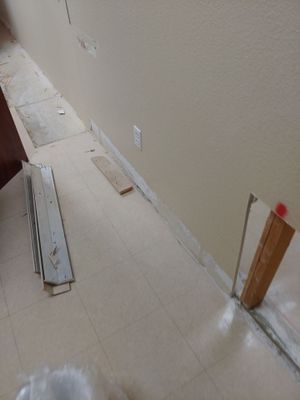
What We Did
Our team inspected the affected interior areas and documented moisture concerns throughout the building. On a commercial water mitigation project, visible water is only one part of the issue. Moisture can move behind baseboards, into drywall, along framing, and into adjacent areas that may not look damaged at first glance.
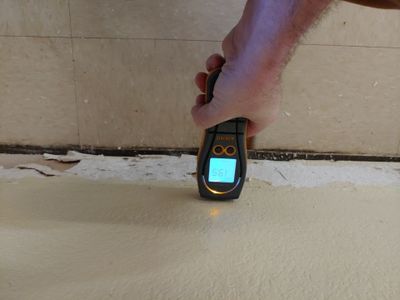
We used moisture-checking procedures to help identify where materials were affected and where additional drying access was needed. We did not rely only on surface appearance. This step is important because walls and trim can look relatively normal while still holding moisture behind the finished surface.
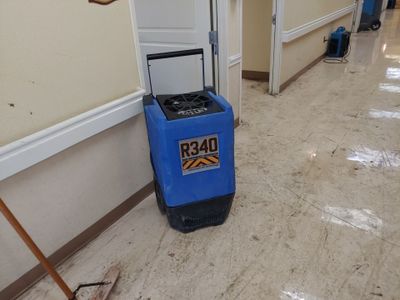
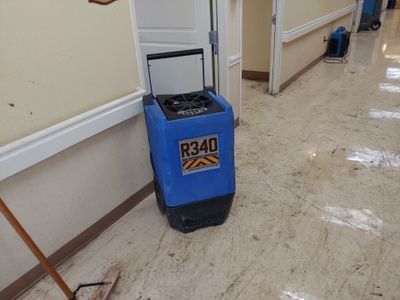
The mitigation work included placing drying equipment in affected areas to support airflow and drying. Equipment placement was part of a larger drying plan, not a one-size-fits-all setup. In a commercial facility, the layout of rooms, hallways, wall assemblies, and access points all matter when deciding how to move air and dry materials effectively.
Our team also removed affected baseboards in selected areas. Removing trim can help expose wall edges and reduce trapped moisture behind finish materials. Where conditions required it, we opened affected drywall to provide drying access to concealed wall cavities and framing. This type of selective removal helps the drying process reach areas that would otherwise remain closed off.
We focused on opening only the areas needed for mitigation access. Water damage work often requires a balance: remove enough material to address trapped moisture, but avoid unnecessary demolition when materials can be dried or evaluated properly. That practical approach helps property managers and facility teams understand what is being done and why.
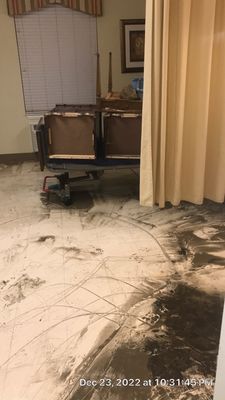
Cleanup was also part of the work. As baseboards and drywall sections were removed, our team managed loose debris and kept affected work areas organized. In a nursing or care environment, clean work practices matter because the building may still have staff operations, access routes, and sensitive surroundings to consider.
Throughout the project, our team documented the affected materials, drying access points, equipment placement, and moisture-related conditions. This documentation helps support communication between the facility, property management, insurance adjusters, and any other parties involved in the claim or restoration process.
Why This Work Mattered
Water damage in a nursing center can create problems quickly if it is not addressed properly. Moisture trapped behind walls or trim may continue affecting building materials even after surfaces begin to look dry. If drying access is limited, wet framing or wall cavities can remain a concern.
That is why moisture tracking and selective material removal are important parts of mitigation. Opening affected areas gives drying equipment a better opportunity to work where moisture is actually located. Removing baseboards and cutting back drywall in targeted areas can also help prevent hidden wet materials from being overlooked.
Commercial properties add another layer of complexity. A nursing center is not the same as an empty building. The work environment may include active operations, facility staff, equipment, and areas that need to remain accessible. Our team kept the mitigation process practical and organized so the facility could move forward with a clearer understanding of affected areas and next steps.
Detailed documentation also matters for commercial water damage claims. Facility managers, property managers, and adjusters often need to understand what was affected, what materials were opened, where equipment was placed, and how the mitigation plan was approached. Our documentation helps create that record without relying on guesswork after the fact.
This project also shows why fast response is important. The longer moisture remains inside building materials, the more likely it is to spread, affect adjacent rooms, or require more invasive removal. Prompt inspection, drying access, and equipment placement can help limit additional damage and keep the mitigation scope more controlled.
Local Service Area
This water mitigation project took place in Plano, TX. Rainy Day Restoration & Roofing serves commercial and residential properties in Plano and surrounding North Texas communities.
Our water mitigation services are designed for a range of property types, including nursing centers, care facilities, offices, retail buildings, managed properties, and homes. Commercial projects often require clear communication, careful documentation, and a team that understands how water can move through larger buildings.
For property managers and facility managers in Plano, having a restoration contractor who can inspect, document, open affected areas when needed, and set drying equipment is an important part of protecting the building and reducing uncertainty after a water loss.
Need Help With Similar Damage?
If your commercial property has water damage, do not assume the affected areas will dry on their own. Moisture can remain behind baseboards, inside wall cavities, under flooring, or within porous materials even when the surface looks dry.
Rainy Day Restoration & Roofing can inspect the affected areas, document moisture conditions, place drying equipment, remove damaged materials when needed, and help you understand practical next steps. If you manage a nursing facility, commercial building, or residential property in Plano or the surrounding area, contact our team for water mitigation support.