


Project Overview
Rainy Day Restoration & Roofing responded to a residential water mitigation project in Plano, TX involving moisture-affected interior building materials. Our team inspected the affected areas, documented conditions inside the home, and performed mitigation work intended to help reduce further damage and support proper drying.
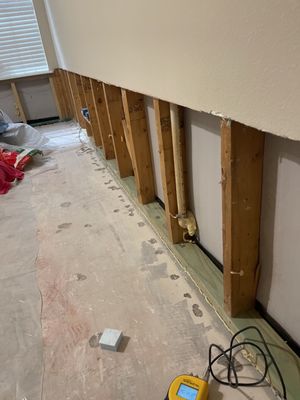
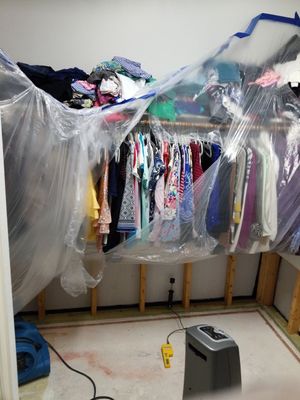
The project involved opened wall areas, flood-cut drywall, exposed lower wall framing, removed flooring, moisture checks, drying equipment, and household contents protected with plastic sheeting. The source of the water loss was not identified in the project details provided for this case study, so we are not assigning a cause. The documented work reflects a mitigation response focused on access, drying, and controlling the work area.
For homeowners, property managers, and adjusters, this type of mitigation work is important because water can move behind baseboards, into drywall, beneath flooring, and into wall cavities. A surface may look manageable while moisture remains hidden inside materials. Our role during mitigation is to identify affected areas, remove materials when needed, create drying access, and document the conditions we are addressing.
Project Photos
What We Did
Our team began by evaluating the interior areas where moisture had affected finished surfaces and building materials. During a residential water mitigation project, we look for visible damage, moisture migration, wet drywall, affected flooring, and any areas where water may have traveled into concealed spaces.
In this Plano home, the mitigation work included selective removal of damaged lower wall materials. We opened affected wall sections with flood cuts so the wall cavities and framing could be evaluated and dried more effectively. Flood-cut drywall is often used when moisture has been absorbed into the lower portion of walls and the material cannot reliably remain in place. Opening the wall allows air movement to reach areas that would otherwise be trapped behind finished surfaces.
Our team also removed affected flooring in portions of the work area. Flooring removal can be necessary when moisture has moved beneath the surface or into materials that need direct access for drying and inspection. Once finish materials are removed, technicians can better evaluate the floor system, direct airflow, and reduce the chance of hidden moisture remaining below or around the affected areas.
We placed drying equipment inside the home to support air movement and evaporation. Equipment placement matters during mitigation. Air needs to reach open wall cavities, exposed framing, floor areas, and other wet or previously wet materials. We focused on drying access so the equipment could work where it was needed most.
Moisture monitoring was also part of the work. Our team documented moisture conditions during the project so affected areas could be tracked and compared as drying progressed. We are not publishing exact moisture readings here, but moisture checks help guide decisions about where to focus drying efforts and whether additional access may be needed.
Because demolition and drying can create dust and disruption, we also protected household contents with plastic sheeting in portions of the work area. Contents protection helps reduce exposure to debris and keeps the jobsite more organized while mitigation is underway.
Why This Work Mattered
Water damage inside a home can spread quickly. Moisture may move through drywall, insulation, trim, flooring, and structural cavities before the full extent is visible. If wet materials stay closed up, drying can take longer and hidden damage may continue.
Opening affected areas helped our team inspect and dry materials that were not fully accessible from the surface. Flood-cut drywall allowed the lower wall cavities to be exposed, which improved airflow to the framing and helped reduce the risk of trapped moisture behind the walls. Removing affected flooring also gave us better access to areas where water may have migrated beneath finished surfaces.
This work also created a clearer record for the property owner and any parties reviewing the loss. Good mitigation documentation helps explain what was affected, what was removed, where drying equipment was placed, and how moisture was monitored. That information can be useful for homeowners trying to understand the scope of the damage and for adjusters or property managers reviewing the mitigation process.
We are careful not to overstate the status of a project when the available facts do not confirm every final step. This case study reflects the mitigation work we performed and documented during the active response, including selective demolition, drying setup, moisture evaluation, and contents protection. It should not be read as a statement that all mitigation or reconstruction work was completed unless confirmed separately in the project file.
Local Service Area
Rainy Day Restoration & Roofing provides water mitigation services in Plano, TX and surrounding North Texas communities. Residential water damage can be stressful, especially when walls must be opened, flooring has to be removed, and drying equipment is needed inside living areas.
Our team understands that homeowners need clear communication and practical next steps. During mitigation, we focus on identifying affected materials, limiting additional damage, documenting the work, and setting up drying conditions that support the recovery process.
This Plano project is an example of the type of interior water mitigation response that may be needed when moisture affects walls, flooring, and finished rooms in a home.
Need Help With Similar Damage?
If you are dealing with water damage in Plano or a nearby North Texas community, it is important to act quickly. Wet drywall, soft flooring, staining, musty odors, or moisture near baseboards can all be signs that water has traveled farther than expected.
Rainy Day Restoration & Roofing can inspect affected areas, document moisture conditions, remove damaged materials when needed, place drying equipment, and help protect the property during mitigation. If you suspect hidden moisture or need help after a residential water loss, contact our team for an inspection and next steps.