





Project Overview
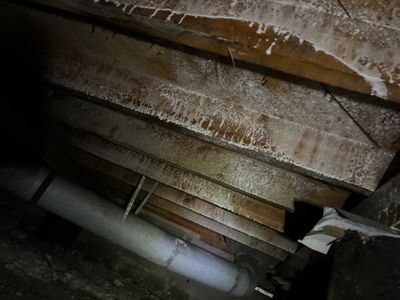
Rainy Day Restoration & Roofing was called to a residential property in Dallas, TX for a mold remediation inspection involving crawlspace and moisture concerns. Our team inspected areas beneath and inside the home, with attention to wood framing, plumbing lines, moisture conditions, and visible mold-like staining on structural materials.
This project was handled as an inspection-stage mold remediation response. At this stage, the goal was to understand what was affected, where moisture may have been present, and what conditions needed to be documented before a remediation plan could be finalized. Because mold concerns are often connected to moisture, our inspection focused not only on visible growth, but also on the areas where damp conditions may have contributed to the issue.
For a homeowner, this type of evaluation is an important first step. Crawlspaces are often out of sight, and problems can develop for some time before they become noticeable inside the home. Musty odors, staining, elevated humidity, or concerns near plumbing lines can all be signs that a closer inspection is needed. Our team approached this Dallas project with that in mind: identify visible concerns, document affected areas, and help the property owner understand practical next steps.
Project Photos
What We Did
Our team inspected the crawlspace area and reviewed visible wood framing for mold-like staining, discoloration, and signs of moisture impact. We also checked areas around plumbing lines and utility runs where moisture problems can sometimes develop or remain hidden. Crawlspace work requires careful attention because access can be limited and conditions below the home may differ from what is visible in the living areas.
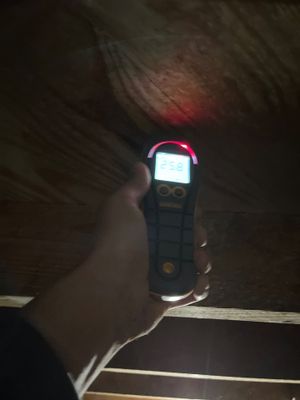
The mitigation work included moisture checks to help evaluate whether affected materials were dry, damp, or showing signs of elevated moisture at the time of inspection. We do not publish private job readings in public case studies, but moisture evaluation is a key part of this kind of response. It helps separate old staining from conditions that may still be active and helps guide decisions about drying, containment, cleaning, and further evaluation.
Inside the home, we placed or reviewed drying and filtration support equipment as part of the response. Equipment may be used during this type of project to help manage drying conditions, airflow, or airborne particles while the situation is being evaluated. The exact equipment plan depends on the conditions found, access to affected areas, and whether moisture is still present.
Our team also documented the crawlspace conditions, interior conditions, and the areas of concern for the homeowner and any other parties involved in the decision-making process. Good documentation matters in mold and water-related restoration because it creates a clear record of what was observed, what areas were checked, and what concerns need to be addressed. It also helps avoid guesswork when planning the next phase of work.
Because this project information reflects the inspection stage, we are not stating that full remediation or reconstruction was completed. What we can say is that our team performed a detailed evaluation of a Dallas home with crawlspace mold-like staining and moisture concerns, including review of framing, plumbing areas, moisture conditions, and indoor drying or filtration support.
Why This Work Mattered
Mold-like growth in a crawlspace should not be ignored. Even when the affected area is below the main living space, crawlspace conditions can influence the comfort and air quality of the home. Air movement between the crawlspace and interior can carry odors or contribute to indoor concerns, especially when moisture is ongoing.
Moisture is the key issue. Visible staining on wood framing may be related to a past condition, an active source, or a recurring humidity problem. Without checking moisture levels and reviewing nearby building systems, it is difficult to know how to move forward responsibly. That is why our team focused on both the visible surface conditions and the surrounding moisture context.
A fast inspection can also help prevent unnecessary repairs. If a homeowner covers, paints, or rebuilds affected areas before understanding the source of moisture, the same issue can return. A restoration-focused inspection helps determine whether the next step should involve drying, filtration, containment, cleaning, source repair, additional testing, or a more detailed remediation scope.
For homeowners, property managers, adjusters, and real estate professionals, timely documentation also supports clearer communication. Mold concerns can be stressful, and a structured inspection helps turn an uncertain situation into a more organized plan. Our role is to evaluate the conditions we can access, document what we find, and recommend practical next steps based on the property’s actual needs.
Local Service Area
Rainy Day Restoration & Roofing provides mold remediation, water mitigation, storm restoration, and roofing services in Dallas, TX and throughout nearby North Texas communities. Homes in the Dallas area can experience moisture challenges from plumbing issues, crawlspace humidity, roof leaks, exterior water intrusion, drainage problems, and storm-related damage.
Every property is different. A crawlspace concern requires a different approach than mold-like staining in an attic, bathroom, kitchen, laundry room, or wall cavity. The right plan depends on access, visible conditions, moisture levels, affected materials, safety considerations, and whether the moisture source is still active.
Our local restoration team understands how quickly moisture problems can become more complicated when they are left unaddressed. We work with homeowners and property professionals to inspect affected areas, provide clear documentation, and help determine the best path forward.
Need Help With Similar Damage?
If you are seeing mold-like staining, noticing musty odors, or suspecting moisture problems in a crawlspace or other part of your home, Rainy Day Restoration & Roofing can help. Our team can inspect the affected areas, check for moisture concerns, document visible conditions, and explain options for drying, filtration, remediation planning, or source repair when needed.
You do not have to wait until the problem spreads into finished living areas. If something looks or smells wrong, an inspection can give you a clearer understanding of what is happening and what should happen next. For mold remediation inspections in Dallas, TX and nearby communities, Rainy Day Restoration & Roofing is ready to help you take the next practical step.