





Project Overview
Rainy Day Restoration & Roofing performed water mitigation work at a residential property in McKinney, Texas. The project involved moisture inspection, identifying affected materials, opening portions of the home for drying access, and placing drying equipment in areas where moisture needed to be addressed.
Water damage inside a home is not always limited to what can be seen on the surface. Moisture can move under flooring, behind baseboards, into wall cavities, and above ceilings. On this McKinney project, our team focused on locating affected areas, documenting conditions, and creating access where finished materials were preventing proper inspection or drying.
Because the work included both mitigation activity and opened areas that may relate to later repair planning, this case study focuses on the water mitigation work we performed and documented. We are not assuming the final repair scope or completion status beyond the information available from the project.
For homeowners, this type of situation can feel overwhelming. Once walls, ceilings, flooring, framing, or plumbing areas are involved, the priority is to slow down further damage, expose hidden moisture where appropriate, and begin a structured drying process.
Project Photos
What We Did
Our team began by inspecting moisture-affected areas inside the home. We evaluated flooring, wall surfaces, ceiling areas, and other interior materials to determine where further attention was needed. During this type of mitigation work, surface conditions are only part of the picture. Materials that look dry from the outside can still be holding moisture behind or beneath them.
We marked affected areas so the mitigation scope could be clearly tracked. Marking materials helps our crew stay organized, communicate what has been identified, and separate areas that may need removal, drying, or continued monitoring. This is especially important when water has reached multiple rooms or different building assemblies.
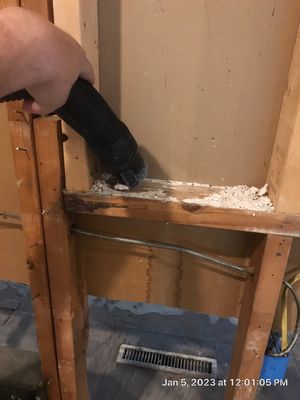
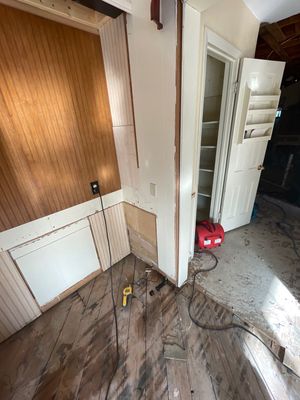
The mitigation work included selective demolition in affected areas. We opened portions of walls and ceilings where access was needed to inspect, ventilate, and dry concealed spaces. This type of removal is done carefully and with a purpose. The goal is not to remove more than necessary, but to give our team access to wet or suspect materials that cannot properly dry while sealed behind finishes.
In several areas, our team exposed framing and plumbing. Exposed framing allows technicians to evaluate structural materials more directly and determine whether airflow is reaching the areas that need it. Visible plumbing also helps clarify the layout of affected spaces, although the cause of loss is not being stated here because it was not provided for this summary.
We placed drying equipment as part of the mitigation process. Air movement and drying equipment are important tools for reducing moisture after affected materials are opened or removed. Proper placement helps move air across damp surfaces and into areas where drying access has been created. The exact drying timeline depends on the affected materials, site conditions, and moisture monitoring during the job.
Our team also maintained job documentation throughout the process. For water mitigation, documentation helps show what was inspected, what was opened, what materials were affected, and where drying equipment was used. This can be helpful for the homeowner, property representatives, and insurance-related communication when applicable.
Why This Work Mattered
Fast, organized water mitigation matters because moisture can spread beyond the first visible sign of damage. Wet flooring can affect subfloor materials. Damp baseboards can hide moisture in wall cavities. Ceiling damage can point to moisture above the finished surface. If those areas are not inspected and addressed, the home may continue to hold moisture even after visible surfaces appear improved.
Opening affected areas can be an important part of the process. When drywall, ceiling materials, or finish surfaces are trapping moisture, simply placing equipment in the room may not be enough. Selective demolition can allow airflow to reach concealed cavities and can help reduce the risk of leaving wet materials closed inside the structure.
The exposed framing on this project was important because wood and other building materials need the right drying conditions. Our team focused on drying access so that equipment could do its job more effectively. This approach supports a more thorough mitigation process and helps provide better information for any next steps.
Clear documentation also matters. Water mitigation can involve multiple decisions: what can be dried, what should be removed, what needs monitoring, and what may require repair planning later. By documenting conditions and work areas, we help create a clearer record of the mitigation process and reduce confusion for homeowners and other parties involved.
Every water damage project is different. The correct scope depends on where the water traveled, which materials were affected, how long materials were wet, and what moisture inspection shows. On this McKinney project, our work followed a practical sequence: inspect the affected areas, identify and mark materials, open areas where drying access was needed, expose concealed components, and place drying equipment to support mitigation.
Local Service Area
Rainy Day Restoration & Roofing provides residential water mitigation services in McKinney, TX and surrounding North Texas communities. We help homeowners respond to water damage involving flooring, walls, ceilings, framing, and other interior building materials.
Homes in the McKinney area can experience water damage from many different situations, and the source is not always obvious without inspection. Whether the issue involves wet flooring, staining, soft drywall, ceiling damage, or moisture near plumbing areas, a professional assessment can help determine what needs to be dried, removed, or monitored.
Our team understands that homeowners need clear communication during a stressful situation. We focus on practical mitigation steps, careful documentation, and helping customers understand why certain materials may need to be opened or removed.
Need Help With Similar Damage?
If you have water damage in your home, do not assume the area will dry properly on its own. Moisture behind walls, under flooring, or above ceilings may not be visible right away. Waiting too long can make the mitigation process more complicated and may increase the amount of material affected.
Rainy Day Restoration & Roofing can inspect residential water damage in McKinney and nearby areas, document affected materials, and develop a mitigation plan based on the conditions found inside your home. If you notice staining, wet flooring, soft drywall, ceiling damage, or moisture near plumbing areas, contact our team for a professional evaluation and clear next steps.