





Project Overview
Rainy Day Restoration & Roofing responded to a water mitigation project at a multifamily property in Lake Dallas, Texas. The project involved interior water damage conditions that required more than surface cleanup. Our team documented affected areas, opened wall sections, removed damaged materials, and focused on creating access for drying and evaluation.
On a multifamily property, water damage can involve individual units, shared wall assemblies, flooring systems, framing, and common building components. Even when the most obvious damage is in one area, moisture can move behind walls, under flooring, through base plates, and into connected spaces. That is why our mitigation approach focuses on identifying affected materials, removing what cannot be effectively dried, and helping property owners and managers understand the next steps.
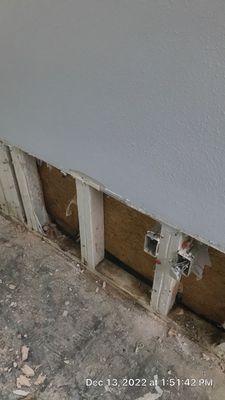
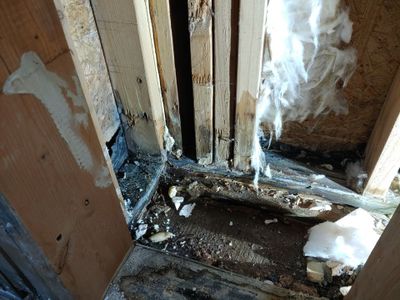
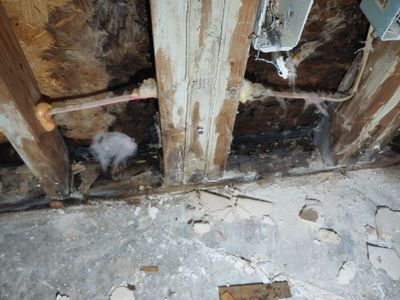
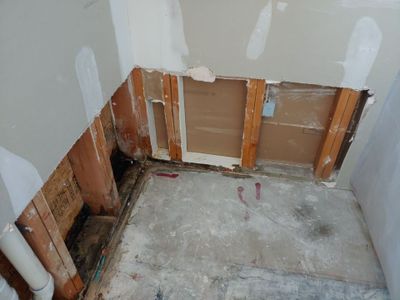
This project included interior flood cuts, exposed framing, removed flooring, wet or deteriorated wood, and areas of visible suspected microbial growth. Because the available project facts do not identify the original cause of loss, we are not assigning a cause here. This case study focuses on the mitigation work and site conditions our team addressed.
Project Photos
What We Did
Our team began by evaluating the affected interior areas and documenting the water damage conditions. In several areas, we opened the lower portions of walls with flood cuts. Flood cuts are commonly used when drywall and related materials have absorbed water or when wall cavities need to be accessed so trapped moisture can be addressed.
By removing damaged lower wall materials, we exposed framing, studs, and lower wall components that needed attention. This access is important because water can remain hidden behind finished surfaces. If wet drywall, insulation, or flooring materials are left in place too long, they can slow the drying process and increase the risk of additional damage.
The mitigation work also included removal of affected flooring materials. Flooring systems can hold moisture underneath the surface, especially when water has traveled beyond the visible area. Removing damaged flooring helped our team better evaluate the substrate and improve drying access where needed.
We also addressed areas where wood components were wet, deteriorated, or visibly affected by long-term moisture conditions. In some locations, visible growth was present. Without lab testing, we do not label that condition beyond what was observed in the field, but suspected microbial growth always requires a careful approach. Our team worked with attention to limiting disturbance, controlling affected materials, and supporting a cleaner path for the next phase of the project.
Drying equipment and support equipment were staged as part of the mitigation response. Once materials are opened and unsalvageable components are removed, drying equipment can help move air, reduce moisture, and support drying of remaining building materials. Equipment placement on a multifamily project must be organized so the work can move forward while accounting for access, safety, and building layout.
Throughout the project, our team documented site conditions and mitigation activity. Clear documentation helps property managers, owners, and adjusters understand what materials were affected, what areas were opened, and why certain materials needed to be removed.
Why This Work Mattered
Water damage inside a multifamily building needs to be handled quickly and carefully. Moisture does not always stay in the room where it first appears. It can move through wall cavities, under flooring, into shared assemblies, and around framing members. If the affected areas are not opened and evaluated, hidden moisture can continue to create problems after the visible water is gone.
The flood cuts on this project mattered because they gave our team access to the lower wall cavities. This is where moisture often settles and where drywall, trim, insulation, and wood components can stay wet. Opening those areas allows damaged materials to be removed and remaining structural components to be evaluated and dried more effectively.
The removed flooring also mattered. Wet flooring can trap moisture beneath it, and some materials are not good candidates for drying once water has affected them. Removing flooring where necessary helps prevent concealed moisture from remaining in place and gives the property owner a clearer understanding of what repair work may be needed later.
The suspected microbial growth made careful handling especially important. When moisture has been present long enough for visible growth to develop, the work must be approached with caution. The goal is not simply to make the property look better; the goal is to reduce moisture, remove affected porous materials where required, and help prepare the property for appropriate follow-up cleaning, remediation, or repair steps based on the project scope.
For property managers and owners, mitigation documentation is also a major part of the value. Water losses often involve insurance review, tenant coordination, maintenance planning, and repair decisions. Our team’s field documentation helps create a practical record of the affected areas and the mitigation steps taken, without overstating the scope beyond what the project facts support.
Local Service Area
Rainy Day Restoration & Roofing provides water mitigation services in Lake Dallas and surrounding North Texas communities. We work with homeowners, property managers, facility managers, adjusters, and commercial property owners who need responsive help after water damage.
Multifamily water mitigation often requires extra coordination. Access, adjacent units, shared building materials, resident impact, and insurance documentation can all affect the response plan. Our team understands that owners and managers need practical communication, organized work areas, and clear information about what is being removed and why.
Whether the damage affects one unit or multiple connected areas, the mitigation process should focus on finding moisture, removing unsalvageable materials, creating drying access, and documenting conditions clearly. This Lake Dallas project is an example of the type of interior water damage that can require demolition, drying support, and careful evaluation of exposed building materials.
Need Help With Similar Damage?
If you manage or own a multifamily property in or near Lake Dallas and are dealing with water damage, Rainy Day Restoration & Roofing can help. Warning signs include wet walls, soft or lifted flooring, musty odors, stained drywall, deteriorated wood, or visible growth.
A timely mitigation response can help limit further damage and make the repair process easier to plan. Our team can inspect affected areas, document conditions, remove damaged materials when needed, and set up drying access based on the conditions found on site.
If your property has experienced water damage, contact Rainy Day Restoration & Roofing for practical guidance and responsive water mitigation support in Lake Dallas and the surrounding North Texas area.