





Project Overview
Rainy Day Restoration & Roofing responded to a residential water mitigation project in Melissa, Texas. The project involved moisture investigation, selective removal of affected materials, drying equipment placement, containment, and documentation throughout the work.
Water damage inside a home can affect more than the surface materials a homeowner can see. Moisture may move under flooring, into wall cavities, behind baseboards, around cabinets, or into exposed framing. When that happens, the right response is not simply to place fans and hope the area dries. A proper mitigation process includes inspection, moisture tracking, drying access, controlled removals when needed, and ongoing documentation.
Because this was a private residential project, we are not sharing personal identifying details or an exact location. The focus of this case study is the type of water mitigation work our team performed and why these steps matter for homeowners, property managers, and insurance professionals reviewing a water damage loss.
Project Photos
What We Did
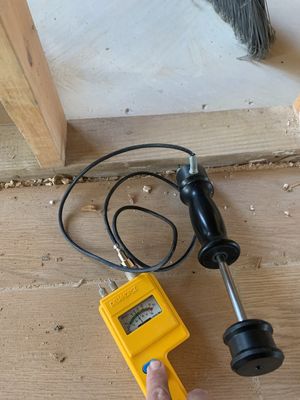
Our team inspected the affected areas and documented moisture conditions using professional moisture detection tools. Moisture readings help us understand where water has traveled and whether building materials are still holding elevated moisture. This step is important because materials can look dry on the surface while moisture remains trapped underneath or behind finishes.
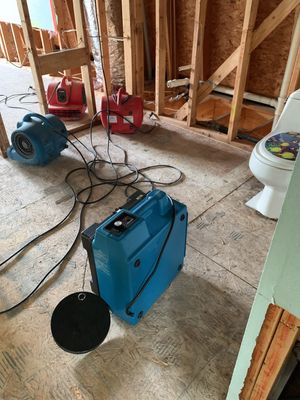
The mitigation work included opening affected areas to create drying access. In parts of the home, flooring or wall materials had to be removed so that wet materials and hidden moisture could be addressed properly. Exposing framing and cavities can be necessary when moisture is trapped behind finished surfaces or when damaged materials cannot be dried effectively in place.
We placed professional drying equipment inside the home to support the drying process. Drying equipment is positioned based on the affected materials, room layout, and moisture findings. Air movement and dehumidification are most effective when they are part of a planned drying strategy, not when equipment is placed without inspection or follow-up.
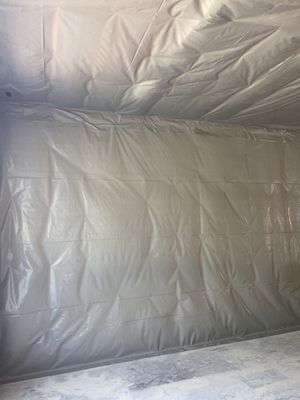
Our team also used containment plastic in the work area. Containment helps separate affected spaces from other parts of the home, especially when removals, drying, or repair-related work are taking place. It can help reduce dust and debris migration, keep the work area more controlled, and make the overall process less disruptive for the occupants.
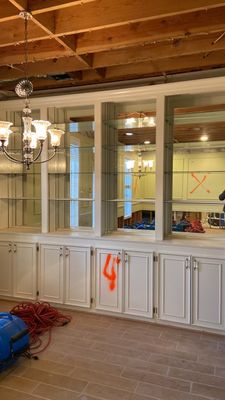
This project also included documentation of later repair-related progress in a kitchen area. Since the work record included more than one stage, the project should be understood as involving mitigation activity along with repair or remodel-related progress. We are not presenting this as a final completion statement, but it does show how water mitigation can connect to the next phase of restoring a usable living space.
Why This Work Mattered
Fast and organized water mitigation helps limit secondary damage. When building materials stay wet, moisture can continue to spread. Drywall can wick water upward. Flooring systems can hold moisture below the visible surface. Wood framing and cabinets can remain damp even after the room appears cleaner or drier. If those conditions are not addressed, the property may face additional damage or more invasive repairs later.
Moisture documentation matters for the homeowner and for insurance-related communication. Our team documented conditions during the project so there was a clear record of what was affected, where drying access was needed, where equipment was placed, and how the mitigation work was approached. This kind of documentation can help homeowners, adjusters, and other parties better understand the scope of the damage and the steps taken to stabilize the property.
Selective material removal also matters. In water mitigation, removing materials is not about doing unnecessary demolition. It is about deciding what can be dried in place and what must be opened or removed to allow proper drying. When moisture is trapped behind baseboards, wall materials, flooring, or cabinetry, drying access may be needed before the structure can be stabilized.
Containment was also an important part of keeping the job organized. Residential water damage often happens in spaces that families need to continue using, such as kitchens, hallways, living areas, and bedrooms. Separating the work zone helps control the work environment and supports a cleaner, more focused mitigation process.
For this Melissa home, our focus was on identifying moisture, opening affected materials where needed, placing drying equipment, maintaining controlled work areas, and documenting the project carefully. These are the practical steps that help move a water-damaged property toward recovery.
Local Service Area
Rainy Day Restoration & Roofing provides water mitigation services in Melissa, TX and surrounding North Texas communities. Our team understands how important timely response is when water affects flooring, walls, framing, cabinets, or other interior finishes.
Homeowners in Melissa and nearby areas call us when they need a restoration contractor that can inspect the damage, document the conditions, perform mitigation work, and help coordinate the path forward. Whether the water damage is in a kitchen, bathroom, laundry area, hallway, or living space, early action can make a meaningful difference.
We also understand the needs of property managers, facility managers, commercial property owners, and adjusters who need clear documentation and practical communication. Even though this case involved a residential property, the same disciplined mitigation principles apply across many types of buildings.
Need Help With Similar Damage?
If you are dealing with water damage in your home or property, do not rely on surface appearance alone. Moisture may be hidden under flooring, behind walls, around trim, or inside cabinet areas. A professional inspection can help determine what is wet, what can be dried, and what may need to be removed to allow proper drying.
Rainy Day Restoration & Roofing can help assess water damage, document affected areas, set drying equipment, remove damaged materials when necessary, and support the next steps in the restoration process. If you need water mitigation in Melissa, TX or a nearby North Texas community, contact our team for a practical inspection and a clear plan forward.