
Fire and Smoke Damage Recovery
After a fire, the flames are only part of the damage. Smoke works its way into everything — walls, ducts, framing, fabric — and the water used to put the fire out becomes its own restoration job on top of it. It’s a lot to face, and the clock matters: soot is acidic and keeps eating at surfaces until it’s cleaned, and standing water starts growing mold within a day or two. We handle the whole recovery — smoke and soot, the water damage underneath, odor, and the rebuild — so you’re working with one team instead of coordinating four while you’re already overwhelmed.
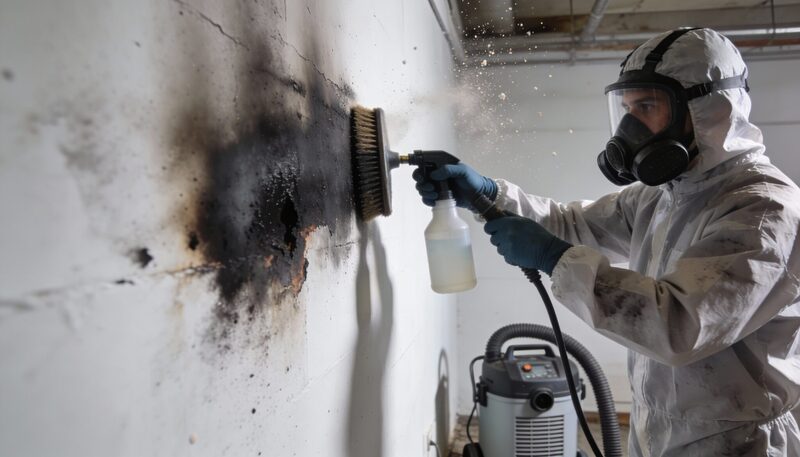
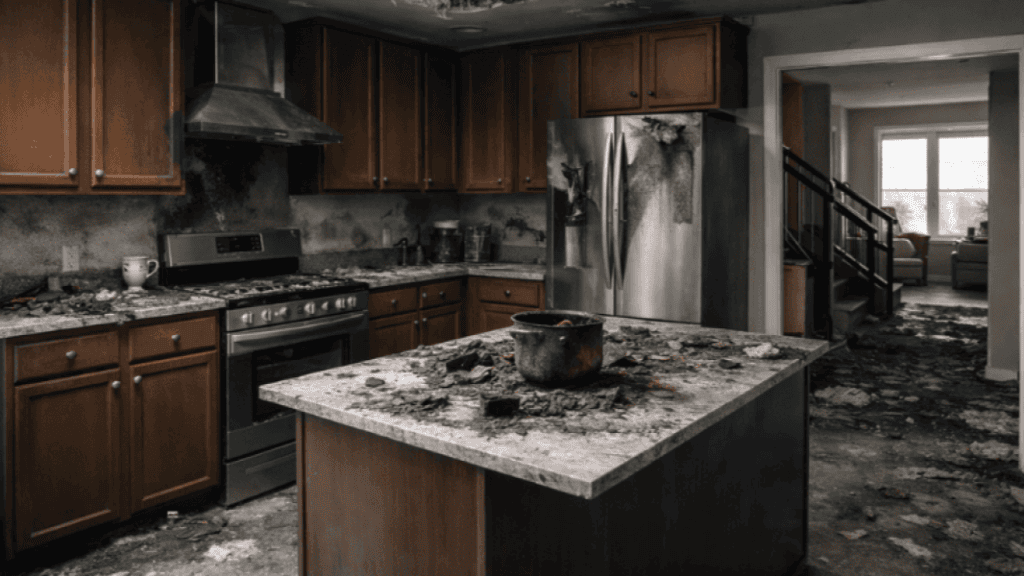
What Fire Recovery Involves
- Smoke and soot residue on surfaces and contents
- Water and humidity left from firefighting
- Odor trapped in porous materials and ductwork
- Structural and cosmetic damage that needs rebuilding
- Electronics, textiles, and belongings that need attention
What Fire Recovery Actually Involves
Most people don’t realize how much of fire restoration is not the fire itself. There’s soot and smoke residue that has to be cleaned before it permanently stains and corrodes. There’s the water and humidity from firefighting that has to be dried out like any water loss. There’s odor trapped in porous materials and ductwork. And there’s the reconstruction to put the structure back. We’re set up for all of it — the same drying equipment and HEPA-filtered air scrubbing we use on water and mold jobs applies directly here.
How We Handle It
- Secure and assess. First we make the property safe and document everything for your claim — fire, smoke, and water damage all get recorded from day one.
- Dry out the water. Firefighting water and suppression leave the structure wet. We extract and dry it with Phoenix and X-Power equipment, tracing where it traveled, before it turns into a mold problem stacked on top of the fire.
- Clean smoke and soot. We clean soot and smoke residue from surfaces and contents before it sets, and run HEPA-filtered air scrubbing to pull particulate out of the air.
- Kill the odor. Smoke odor hides in porous materials and ductwork. We treat it at the source rather than masking it, so the house doesn’t smell like the fire six months later.
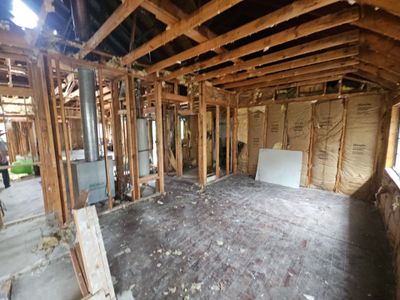
- Rebuild. Drywall, paint, flooring, trim, roofing if the fire reached it — we put the structure back, so you’re not hunting for a second contractor to finish.

What Affects Fire and Smoke Recovery Cost?
Fire and smoke losses vary enormously — a contained kitchen fire and a whole-structure loss aren’t remotely the same job. Cost depends on the extent of the fire, how far smoke and soot traveled, how much water is involved, and how much reconstruction is needed.
We’ll assess it, document it for your claim, and give you a clear scope before work begins.
What We Handle After a Fire
- Property stabilization and temporary weather protection
- Water extraction and structural drying
- Smoke and soot cleaning
- HEPA-filtered air scrubbing
- Odor treatment at the source
- Full reconstruction — drywall, paint, flooring, trim, roofing
Your belongings, too. Fire and smoke reach your contents as much as your walls. Through trusted specialty partners, we can pack out and securely store your belongings off-site, clean smoke-affected contents, textiles, and rugs, and restore electronics — so what can be saved gets saved, not thrown out with the drywall.
Insurance Help
Help With Your Insurance Claim
Fire claims are among the most stressful and paperwork-heavy losses a family goes through, and we’ll be straight about how we help. We’re not licensed public adjusters, so we can’t negotiate your settlement or pricing with your carrier — only the scope of the work. What we do is document the damage thoroughly, provide our paperwork in the format carriers generally expect, walk you through what we did and what it costs, and help you get that documentation submitted. You stay in control of communicating with your insurer and collecting the payment — and if they drag their feet or try to lowball you, we can refer you to a reputable public adjuster who’s licensed to negotiate for you. Financing is available if you need it.
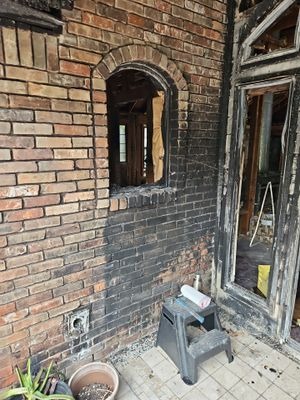
Questions Property Owners Ask First
Does Rainy Day handle every part of fire restoration?
No. Rainy Day performs and coordinates work that fits our licensed, staffed, and demonstrated capabilities. Specialty fire, smoke, contents, engineering, environmental, or other services may require qualified partners.
Why is water mitigation needed after a fire?
Firefighting water can remain in walls, ceilings, insulation, flooring, and concealed assemblies. Prompt extraction, selective removal, drying, and moisture monitoring can help limit additional damage.
Can reconstruction begin immediately?
Reconstruction should begin after safety issues, source conditions, drying, specialty requirements, and the approved repair scope are sufficiently resolved.
Can Rainy Day help document the loss?
Rainy Day can document observed site conditions and the work we perform. We do not determine insurance coverage or replace carrier, engineering, or fire-investigation decisions.
What should I do first after the property is released for access?
Confirm safe access, prevent additional weather or water entry, document conditions, and establish who is coordinating stabilization, drying, specialty services, and repairs.
We’ll Take It From Here
Project Evidence
See How Similar Problems Were Solved.
Review documented North Texas projects that show the visible condition, investigation, work performed, and finished result. Fire and smoke projects will be highlighted as the library grows.
Project Evidence
Compare Similar North Texas Projects
Use the project library to review documented conditions, investigation, repair scope, and finished results.