Roof Inspection
Understand the Roof Before Deciding What to Repair.
A roof inspection should lead to a solution, not just a list of observations. Rainy Day identifies the conditions causing leaks or reducing roof performance, explains whether repair or replacement is the responsible option, and can complete the roofing and related repair work included in the project.
Rainy Day has served North Texas property owners since 1999. Our goal is to solve the roof problem with the right scope of work—whether that means a focused repair, additional leak investigation, maintenance, or complete replacement.
When an Inspection Helps
When You Need Evidence Before You Need a Proposal.
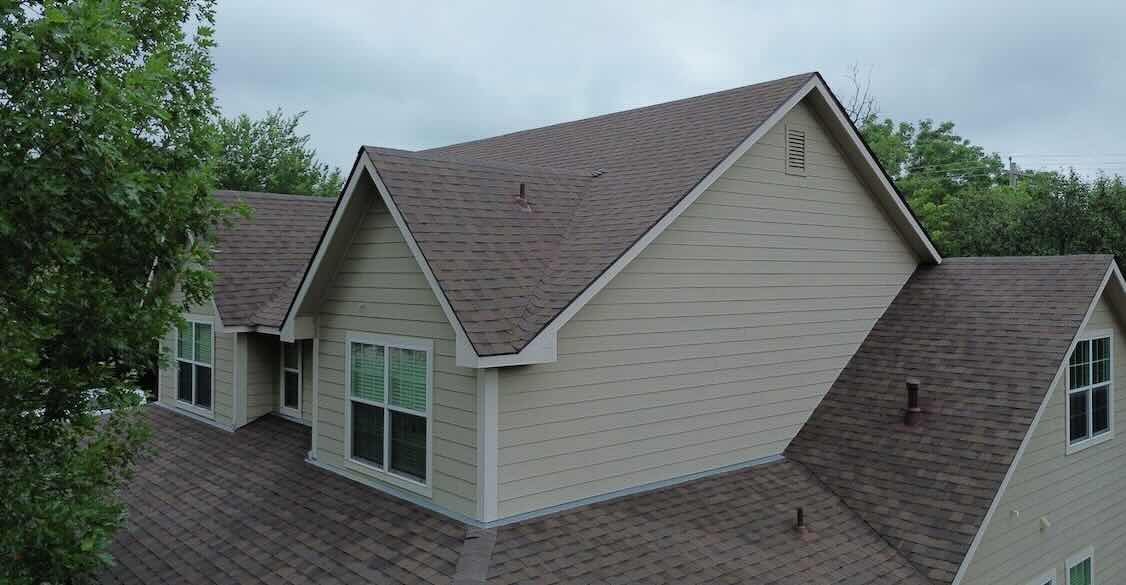
A roof inspection is useful when there is a leak, visible damage, recent storm activity, an aging roof, a property transaction, or uncertainty about repair versus replacement. The purpose is to identify what is wrong, determine what work will solve it, and help prevent additional property damage.
You do not need to know whether the problem is shingles, flashing, ventilation, storm damage, or something outside the roof system. Tell us what you are seeing and when it occurs.
Inspection Goals
Start With the Question the Inspection Needs to Answer.
Active or Recurring Leak
Identify likely roof-related pathways when water appears during rain or keeps returning after prior repairs.
Storm or Hail Concern
Document visible wind or hail damage, displaced materials, exposed areas, and conditions that may require repair.
Repair or Replacement Decision
Evaluate whether localized repairs are reasonable or whether age, condition, and widespread failure point toward replacement.
Preventive Condition Review
Inspect aging materials, flashing, penetrations, transitions, valleys, drainage, and maintenance concerns before they become larger problems.
What We Examine
The Roof Is More Than the Shingles.
A useful inspection considers the systems and transitions that control water movement—not only the visible field of the roof.
- Roof covering condition and visible wear
- Missing, lifted, cracked, or damaged shingles
- Valleys, ridges, hips, edges, and transitions
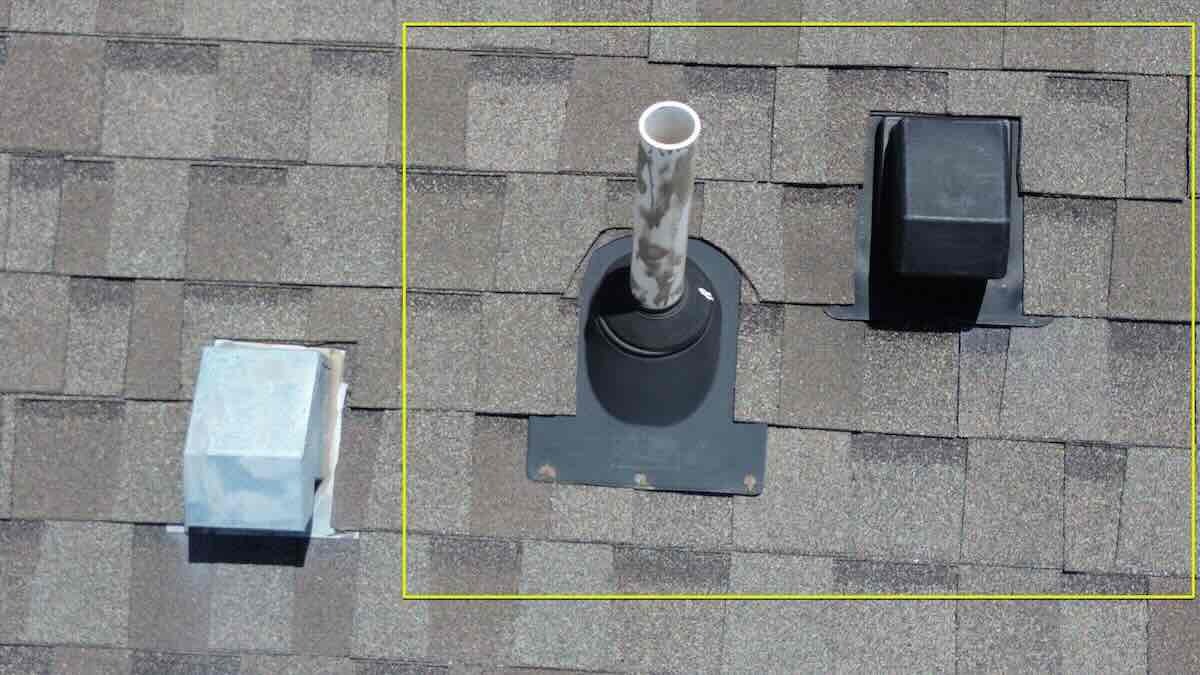
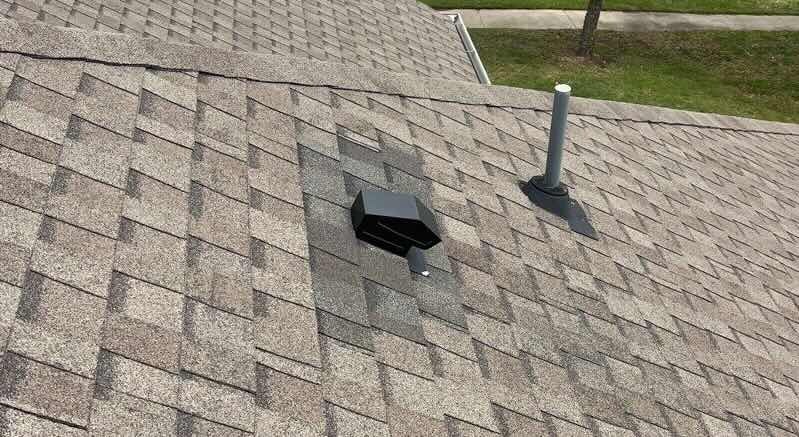
- Pipe penetrations, exhaust vents, skylights, and chimneys
- Wall, step, counter, apron, and headwall flashing
- Fasteners, sealants, exposed penetrations, and prior repairs
- Drainage, gutters, dead valleys, and water concentration areas
- Attic or interior evidence when access and conditions allow
Our Process
Inspect, Document, Explain, and Recommend.
Understand the concern
We review what happened, when it appears, prior repair history, recent weather, and what decision you need to make.
Inspect accessible conditions
We examine the roof and related areas that can be safely and reasonably accessed.
Document findings
Photos and observations are organized around visible conditions, likely concerns, and areas that may need further testing.
Explain the next step
We discuss maintenance, repair, replacement, monitoring, or further leak investigation based on the evidence available.
Inspection vs. Investigation
A General Inspection May Not Locate Every Leak.
Some leaks require a more focused investigative process that may include moisture readings, attic inspection, thermal imaging, controlled water testing, selective access, or observation during specific weather conditions. A roof inspection identifies visible conditions and likely concerns, but concealed pathways cannot always be confirmed without additional testing.
IMPORTANT LIMITATION
Visible Evidence Has Limits.
No roof inspection can guarantee that every concealed defect, intermittent leak, or future failure will be visible at the time of inspection.
What You Receive
Information You Can Use to Make the Next Decision.
Condition Summary
A plain-language explanation of the visible roof condition and the issue the inspection was intended to evaluate.
Photo Documentation
Photographs of relevant damage, wear, flashing, penetrations, prior repairs, and other important findings.
Repairability Guidance
An opinion about whether localized repair appears reasonable based on the visible evidence.
Recommended Next Step
Maintenance, repair, replacement, monitoring, testing, or further investigation depending on the findings.
Common Questions
What Property Owners Ask Before Scheduling an Inspection.
Is a roof inspection the same as a home inspection?
No. This service focuses on the roofing system, roof-related leak concerns, storm damage, repairability, and replacement considerations. It is not a full home inspection.
Can you determine exactly where a roof leak is coming from?
Sometimes visible evidence clearly identifies the likely source. Other leaks require a separate diagnostic process, controlled testing, attic access, or selective opening before the source can be confirmed.
Will you recommend repair instead of replacement when appropriate?
Yes. The purpose of the inspection is to understand the condition and recommend the most reasonable next step based on the available evidence.
Can the inspection be used for an insurance claim?
Rainy Day can document visible conditions and prepare repair information, but the insurance carrier determines coverage and claim decisions.
Do you inspect commercial roofs?
Rainy Day can evaluate many commercial and builder-related roof concerns. The inspection approach depends on roof type, access, size, safety, and the question that needs to be answered.
See the Evidence
Clear Findings, Not a Pressure-Based Sales Pitch.
Rainy Day separates observed conditions from assumptions, then turns the findings into a practical solution. When a localized repair will solve the problem, we can complete it. When replacement is the more dependable option, we define and install the complete roofing system. When more investigation is required, we explain exactly what should happen next.
- Roof Replacement in Allen, TX After Morningside Hail Damage Spreads
- Roof Replacement in Allen, TX After Arbor Lakes Hail and Wind Damage
- Roof Replacement in Allen, TX After Class 4 Shingles Earned Their Keep in Morgan Crossing
- Roof Replacement in Allen, TX After Cumberland Crossin Hail Damage
- Roof Replacement in Allen, TX After Lost Creek Ranch Hail Damage
- Roof Replacement in Allen, TX After Summerfield Hail and Wind Damage
DECISION FIRST
Inspect Before You Commit.
The right recommendation depends on the condition, the cause, the remaining service life, and whether the roof can be repaired reliably.
Need to Know What the Roof Actually Needs?
Tell us what you are seeing, when it started, and whether there has been recent storm activity or prior repair work. Rainy Day will help determine the right inspection or investigation.