279 Highview Ln, Anna, TX 75409

McKinney sits in one of the most weather-punishing roofing markets in the country. Collin County homeowners, business owners, and property managers do not face a single difficult season. They face four of them, each with its own specific threat to residential roofing and commercial roofing systems. Knowing what each season does to your roof, and when to call a roofing contractor before damage compounds into something significantly more expensive, is the most practical thing you can know as a property owner in this market.

Spring: Hail Alley at Its Most Active

North Texas earns its place in what meteorologists call Hail Alley for good reason. Collin County averages more significant hail events per year than most U.S. markets, with hailstones frequently reaching golf ball size or larger during severe spring thunderstorms. McKinney sits directly in the zone where Gulf moisture colliding with cold fronts produces the kind of supercell thunderstorms that generate the most damaging hail in the region.

The challenge with hail damage on residential roofing is that it rarely looks dramatic from the ground. A storm that left your neighbor’s car dented may have left your roof with hundreds of impact points that fractured the asphalt shingle surface, accelerated granule loss, and compromised the integrity of the mat beneath. That damage is not immediately visible without getting on the roof, and it does not immediately leak. It creates a roof that is now significantly closer to end of service life and measurably less resistant to the next weather event.

This is why a professional roof inspection within two weeks of any significant hail event in McKinney is not an overreaction. It is the only way to know whether your roof sustained functional damage that qualifies for an insurance claim, or whether it came through the storm in serviceable condition. Most homeowner policies in Texas include a time limit on storm damage claims. A roofing contractor who inspects promptly and documents findings accurately gives you the information you need to act within that window.

After a significant spring storm in McKinney, a qualified roofing contractor looks for:

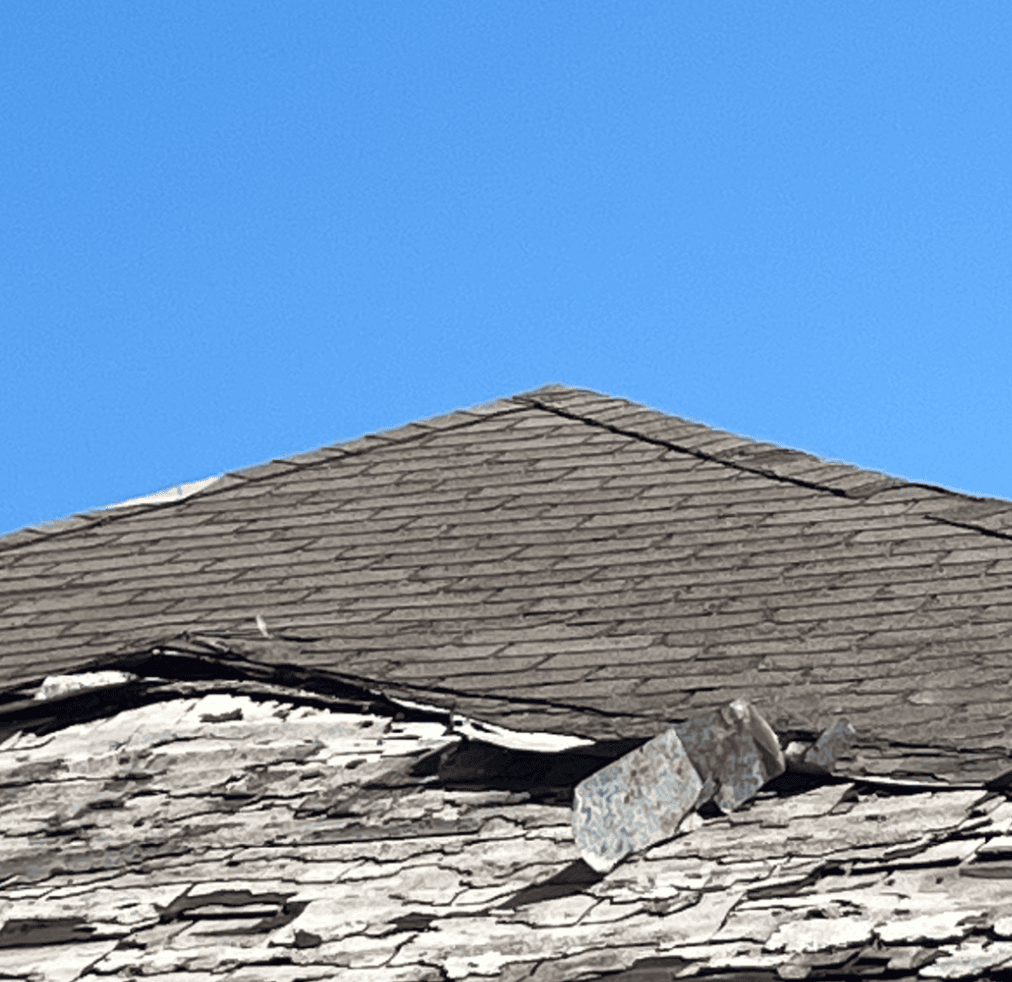
  • Impact marks on shingles, visible as dark circular bruises where the granule layer has been displaced and the asphalt mat exposed
  • Dented or cracked ridge caps, which receive direct vertical impact and show damage more clearly than field shingles
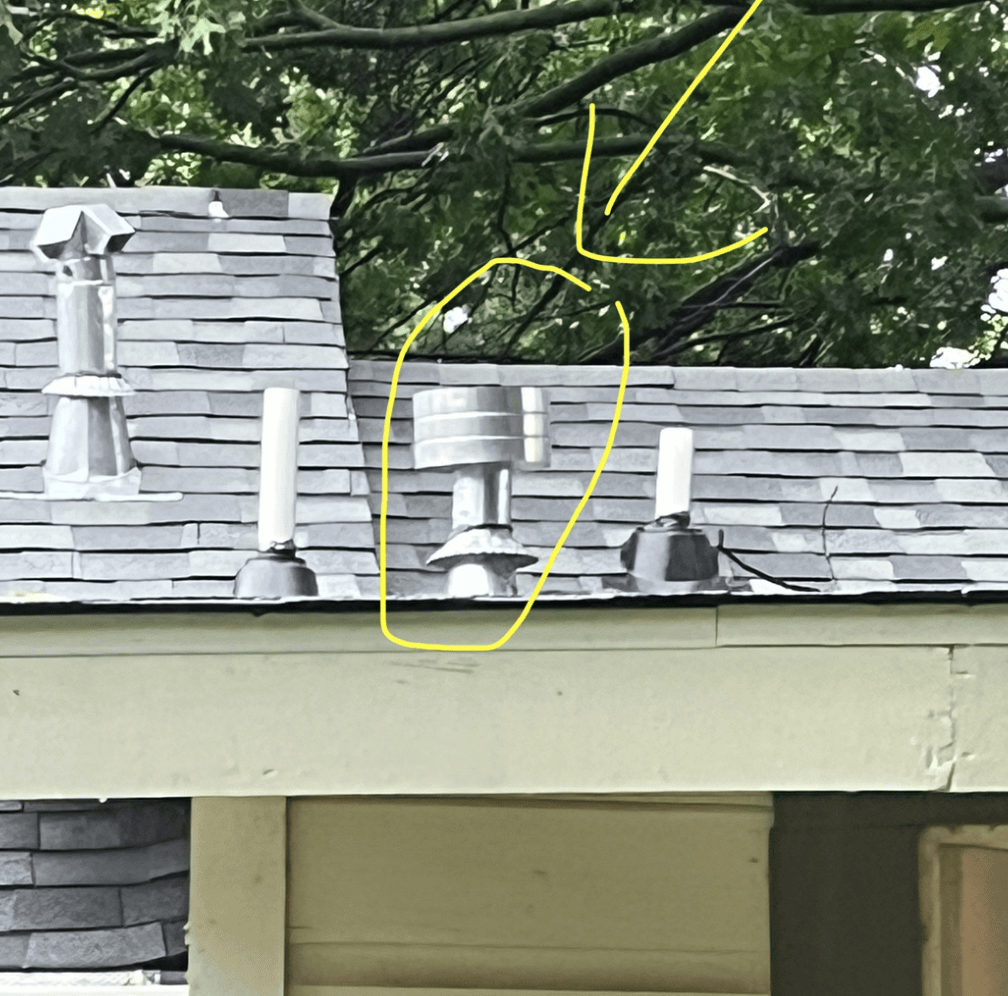
  • Damaged pipe boots and flashing, which are softer metal targets that hail deforms in ways that create active water entry points
  • Gutter and downspout denting, which indicates the size and intensity of the hailstones that hit the roof surface above them
  • Soft spots in the decking, detected by walking the roof, which indicate impact energy transferred through shingles into the underlying structure
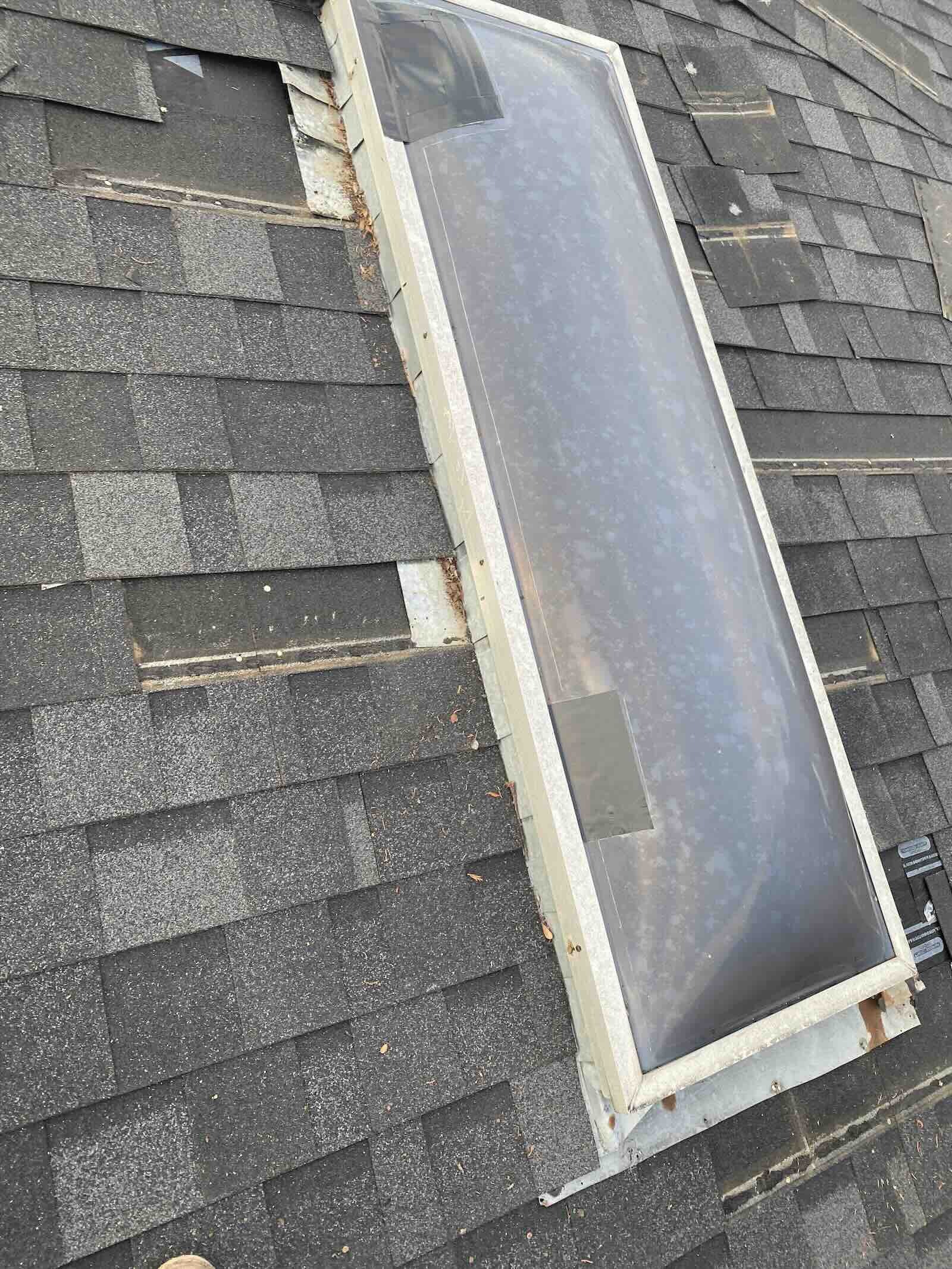
Roofing contractor inspecting hail damage impact marks on residential roof shingles in McKinney, TX

Summer: Heat, UV, and the Storms That Follow

After spring hail season, McKinney summers introduce a different kind of roofing stress. Average summer temperatures in Collin County push roof surface temperatures on dark asphalt shingles above 150 degrees Fahrenheit on peak days. That heat softens the asphalt, accelerates the evaporation of volatile oils that keep shingles flexible, and causes the thermal expansion and contraction cycling that fatigues sealant strips and flashing terminations over time.

On a hail-damaged roof that was not professionally assessed after spring storms, summer heat compounds the damage that was already present. Impact fractures in the asphalt mat that were borderline after the hail event become active failure points as the material dries and hardens through July and August. Sealant strips that were stressed by hail impact lose their bond in the heat, allowing shingle tabs to lift under the wind loading that accompanies McKinney’s summer thunderstorms.

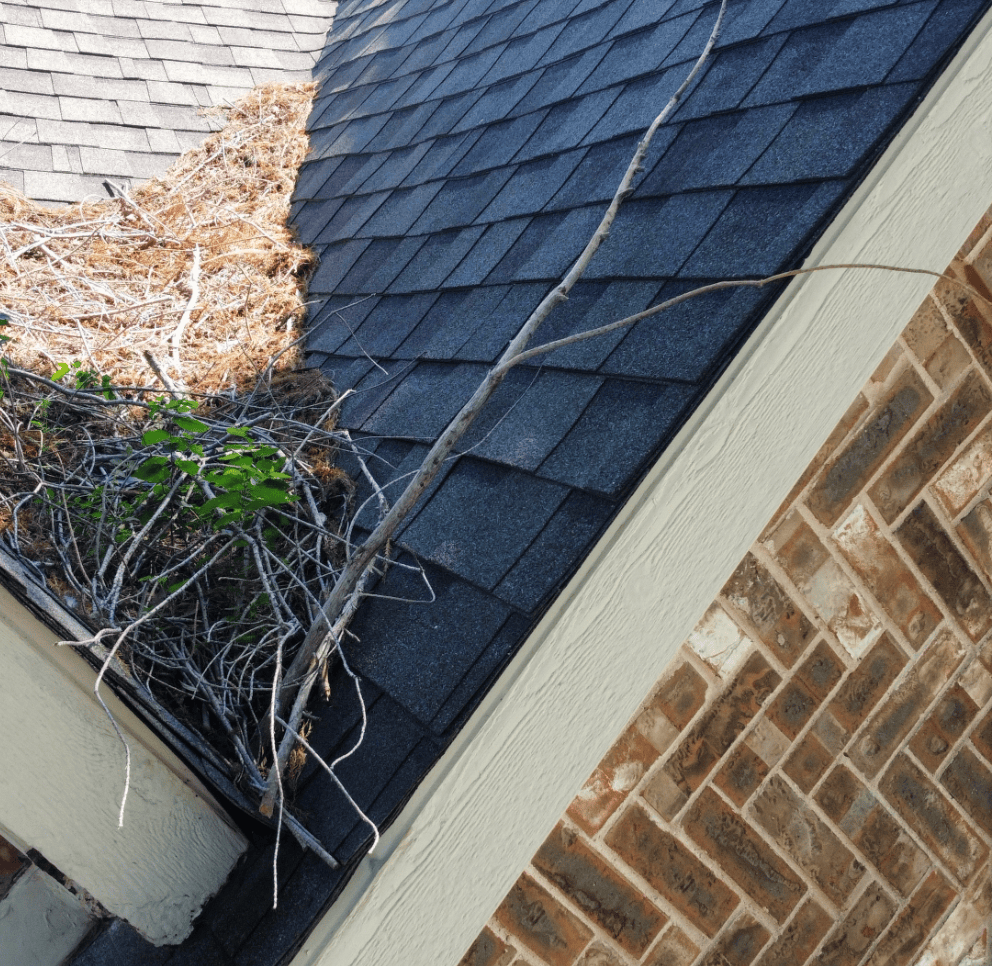
Those summer storms deserve attention in their own right. While they rarely produce the concentrated hail events of spring, McKinney’s summer thunderstorms regularly deliver straight-line winds exceeding 60 miles per hour. Wind damage to residential roofing presents differently than hail damage. It displaces shingles rather than fracturing them, lifts edge metal and ridge caps rather than denting them, and tends to create visible entry points that require prompt roof repair before the next storm event pushes water through the gap.

For commercial roofing on flat or low-slope buildings in McKinney, summer also introduces a drainage maintenance obligation. Heavy summer rainfall can overwhelm partially clogged drain assemblies, creating ponding water that adds live load to the roof structure and keeps membrane seams under sustained hydrostatic pressure. A commercial roofing inspection that includes drain clearing before summer storm season begins is a straightforward investment with a predictable return.

Fall: The Window That Most McKinney Property Owners Miss

Fall in McKinney is mild, dry, and short. It feels like a break from the weather pressure of spring and summer, which is exactly why it is the season that most property owners let pass without acting on their roof.

That is a mistake. Fall is the best roofing window of the year in North Texas. Temperatures are moderate, contractor schedules are less compressed than during spring storm response season, and the dry conditions that characterize October and November in Collin County create ideal circumstances for roof repair, roof inspection, and any replacement work that a spring or summer assessment identified as necessary.

More importantly, fall is the preparation window for winter. A roofing contractor who assesses your roof in October can identify and address the vulnerabilities that North Texas ice storms exploit. That addresses the problem proactively rather than reactively, which in roofing almost always means the difference between a repair and an emergency call.

Winter: Ice Storms and What They Do That Most Texans Don’t Expect

North Texas winters are mild by national standards. But the ice storm events that move through Collin County between December and February are disproportionately damaging to roofing systems relative to their frequency. McKinney experienced this in dramatic fashion during the February 2021 winter storm event that produced sustained below-freezing temperatures and significant ice accumulation across the region.

Ice creates roofing problems through two mechanisms that are distinct from snow loading.

The first is ice dam formation. When heat escapes unevenly through a residential roofing system, it melts ice and snow above it. That meltwater runs down to the colder eaves where it refreezes, building a dam that forces subsequent meltwater back under shingles and into the roof assembly. In McKinney homes with inadequate attic insulation or ventilation, a single sustained ice event can drive water several feet up the roof plane before the interior evidence appears.

The second mechanism is thermal shock. Rapid temperature swings, common in McKinney winters where a 60-degree afternoon can follow a 20-degree overnight, create expansion and contraction in roofing materials that is more mechanically damaging than sustained cold. Sealants that were already fatigued from summer heat fail under that cycling. Flashing that was already slightly lifted in fall separates further under ice expansion in the gap.

Here is what to watch for after any McKinney ice event:

  • Icicles forming unevenly along the eaves, which indicate warm spots in the roof deck suggesting ventilation or insulation deficiencies
  • Ice accumulation in valleys and at penetration points that is visibly thicker than on surrounding surfaces
  • Interior ceiling staining that appears during the thaw period following an ice event
  • Any change in attic conditions, including frost on the underside of the decking or wet insulation, discovered during a post-storm attic check

How to Build a Roofing Maintenance Calendar That Works for McKinney’s Climate

The McKinney property owners who manage roofing costs most effectively over time are not the ones who react fastest after each storm. They are the ones who have a maintenance calendar built around the city’s specific weather pattern rather than waiting for a problem to surface.

A practical roofing maintenance rhythm for McKinney looks like this. In late March or early April, schedule a pre-storm-season roof inspection before the peak hail period opens. After any significant spring or summer storm event, arrange a post-storm assessment within two weeks. In October, use the fall window for any repair work identified during the year and a pre-winter inspection before temperatures drop. After any ice event, conduct an attic check and call a roofing contractor if any of the indicators above are present.

That rhythm keeps repair scopes small and predictable. It ensures that insurance claim windows are not missed after hail events. And it gives landlords and property managers the documentation record that supports lease negotiations, asset valuations, and insurance renewals with current, verified roof condition data.

McKinney’s Weather Calendar Is Predictable. Your Roofing Response Should Be Too.

Every season in McKinney brings a specific roofing threat, and every one of those threats is more manageable when it is addressed at the right moment rather than after it has had time to develop. A trusted roofing contractor who knows Collin County’s weather patterns and the roofing conditions they create is one of the most practical relationships a McKinney property owner can have in place before the next storm season opens.

Get Your Roof Ready Before the Next Season Arrives

The team at Rainy Day Restoration and Roofing is ready to help. Contact us today to schedule a professional roof inspection at your McKinney, TX property and build a roofing contractor relationship that keeps your home or commercial building protected through every season North Texas delivers.