
Crawl Space Moisture Control
A wet crawl space doesn’t stay in the crawl space. Moisture under the house feeds mold, warps floors, rots framing, and rides the air up into the rooms you actually live in. In North Texas, our clay soil and humidity make crawl spaces a recurring problem — and most homeowners never see it until the floor feels soft or the air smells musty. We diagnose what’s driving the moisture, dry and treat what’s down there, and install proper crawl space ventilation to keep it from coming back. ATMOX is the crawl-space ventilation system we install — we use it exclusively — because it controls conditions under the house automatically instead of by guesswork.
ATMOX crawl-space ventilation · Licensed & IICRC-certified · A+ with the BBB · ~4.7★ · 27 years in North Texas
Signs Your Crawl Space Needs Attention
- Musty or earthy smell inside the house, especially near the floor
- Floors that feel soft, cupped, or bouncy
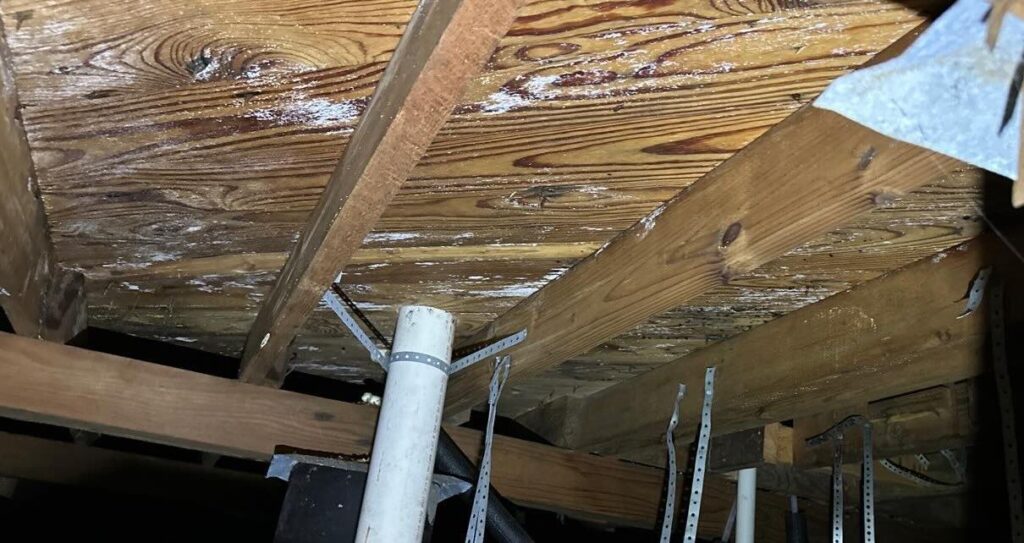
- Visible mold or standing water under the house
- Condensation or “sweating” on ductwork or framing
- Higher humidity indoors that you can’t explain
- Insulation sagging or falling in the crawl space
Why Homeowners Choose Us for Crawl Space Ventilation
We install ATMOX ventilation, exclusively. Automated ventilation that reacts to conditions under your house — moving air out when it should, sealing up when outside air would make it worse. Not vents you have to remember to open.
We stop the moisture at the source. Groundwater, drainage, humidity, a hidden leak — we diagnose what’s actually driving it before we ventilate, so the fix actually holds.
We protect your foundation, too. Control the water under and around your house and you take pressure off North Texas’s notorious clay soil — the reason foundation companies refer us.
One team, start to finish. Dry-out, mold treatment, ventilation, drainage, gutters, and any repairs afterward — all under one roof.
How We Handle a Crawl Space
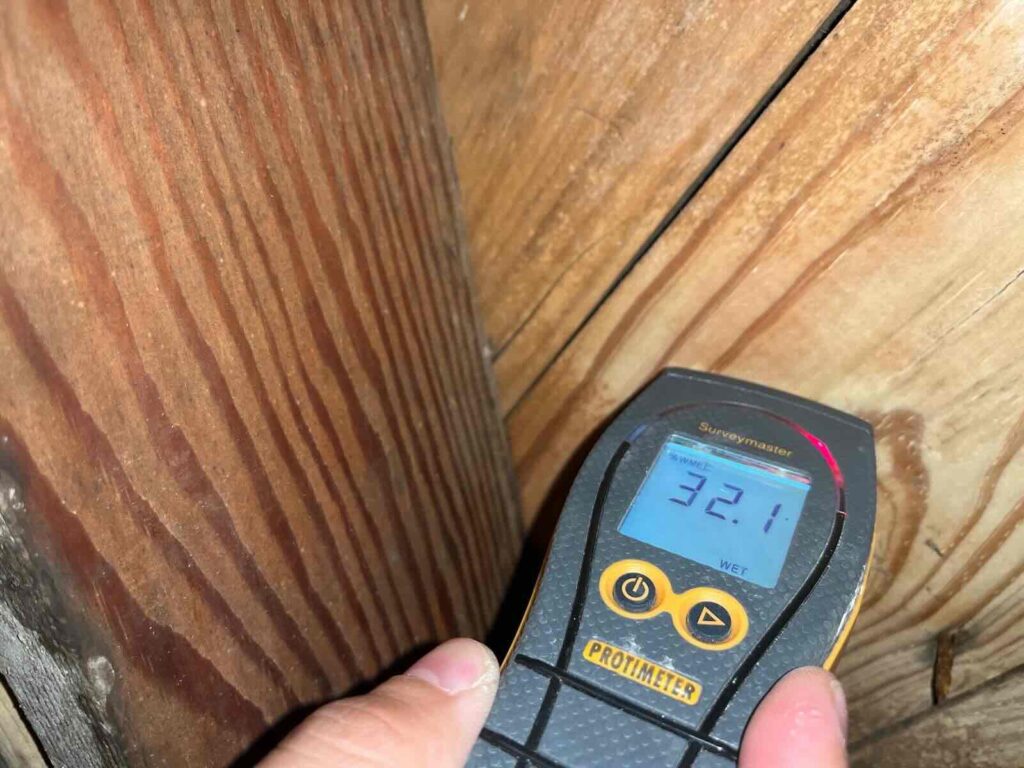
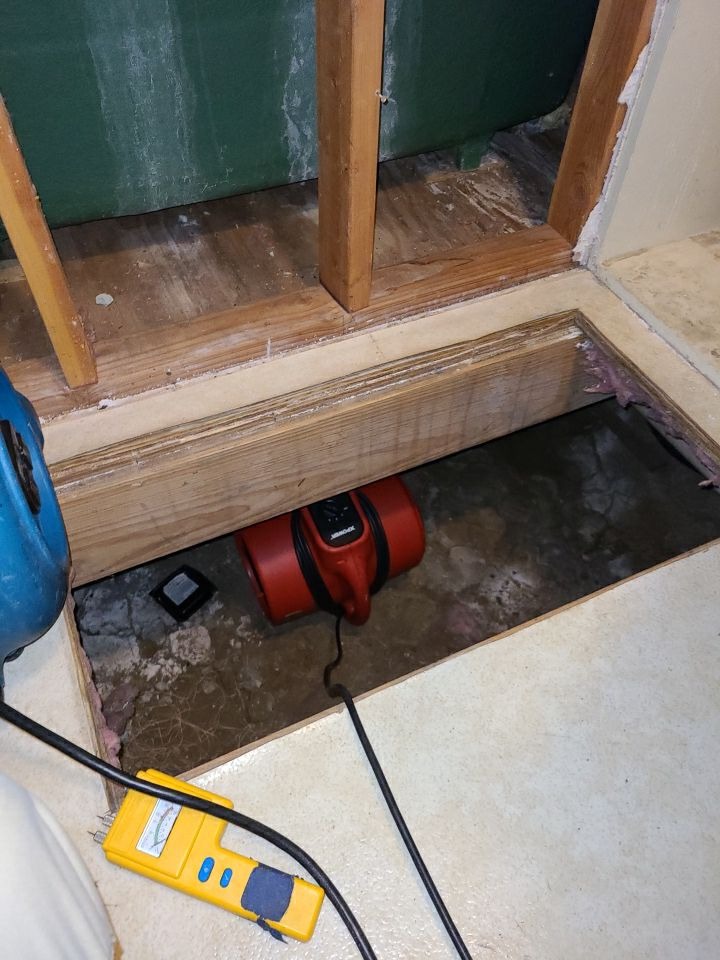
- Get under there and diagnose. We inspect the crawl space directly — moisture readings, standing water, mold, framing condition, drainage — and figure out where the water is coming from. Groundwater, a plumbing leak, poor drainage, and humidity are all different problems with different fixes.
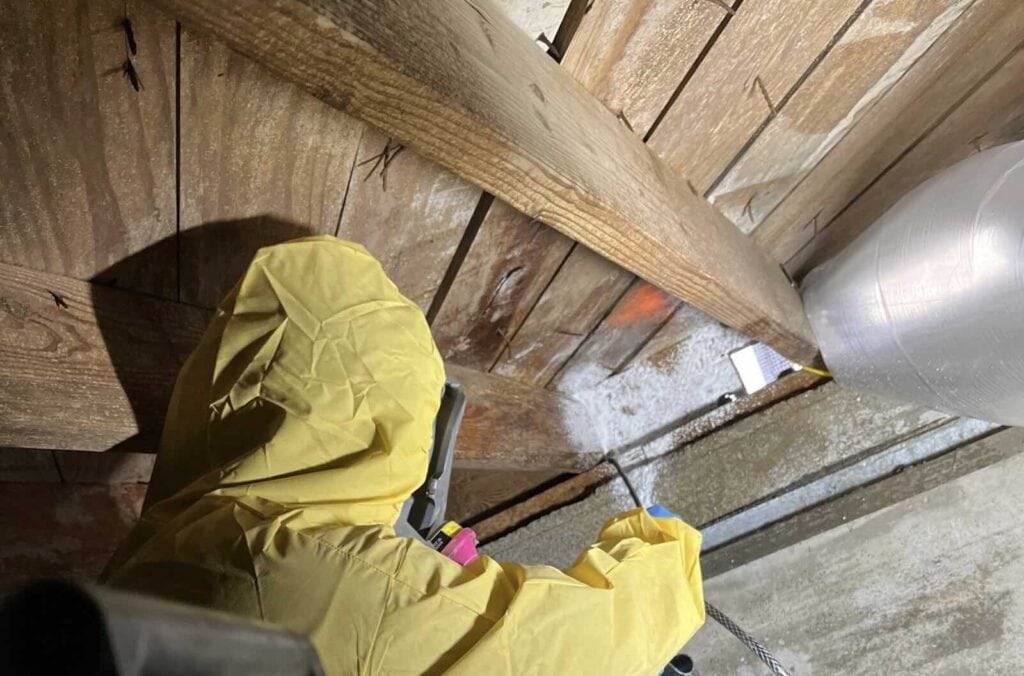
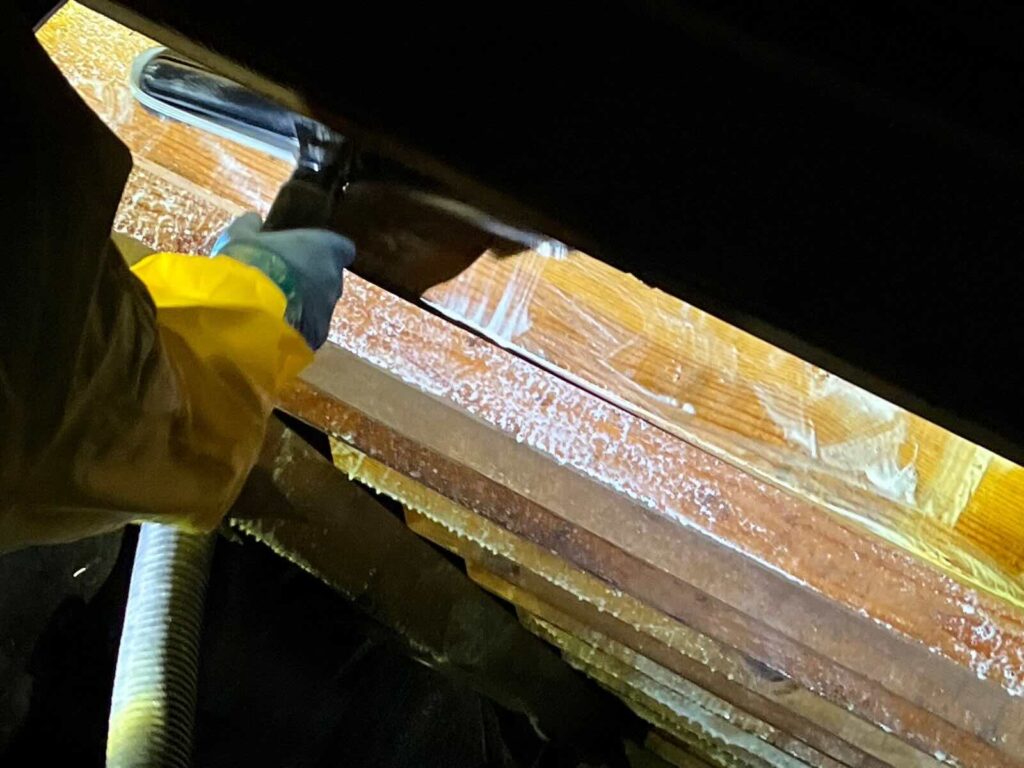
- Dry and clean it out. We dry what’s salvageable, remove ruined insulation and materials, and treat mold and microbial growth with HEPA-filtered air scrubbing and antimicrobial where it’s warranted.
- Control the moisture for good. This is where ATMOX comes in — automated ventilation that responds to conditions under the house. Depending on the space, we’ll also address drainage, vapor barrier, and any grading or gutter issues feeding the problem.
- Fix the drainage above ground, too. A lot of crawl-space moisture starts at the roofline. If your gutters are dumping water against the house, we’ll fix that as part of the solution — the same physics that protects your foundation.
What Affects Crawl Space Moisture Control Cost?
It depends on the size of the crawl space, how much water and damage is down there, what’s driving the moisture, and whether you need ventilation, drainage work, or a vapor barrier.
We’ll inspect it, tell you what’s actually going on, and give you a clear scope — including which fixes are urgent and which can wait.
What We Handle Down There
- Moisture-source diagnosis
- Standing-water removal and drying
- Wet insulation and material removal
- Mold treatment with HEPA-filtered air scrubbing
- ATMOX automated ventilation
- Vapor barrier and drainage corrections
- Gutter and grading fixes above ground
- Cosmetic repairs after foundation work — brick, mortar, drywall
The Foundation Connection
Why the Foundation Connection Matters
Our clay soil swells when it’s wet and shrinks when it’s dry, and that movement is what cracks North Texas foundations. Foundation companies refer homeowners to us for exactly this reason: control the water — crawl space, drainage, gutters — and you take pressure off the foundation. We also handle the cosmetic repairs that come after foundation work, like brick, mortar, and drywall, so the fix and the finish come from the same team.

The Crawl Space System We Install
When a crawl space has ongoing moisture problems, Rainy Day installs the ATMOX crawl space system. Instead of relying on a dehumidifier alone, ATMOX uses a control center that continuously measures temperature and humidity — inside the crawl space and outside — and manages a coordinated system of intake and exhaust fans, air-circulation fans, and dehumidification to keep the space dry. Ventilation runs only when outside air will actually improve conditions, circulation fans move air into tight or sectioned areas a dehumidifier cannot reach on its own, and the dehumidifier is controlled to run efficiently and last longer. The result is a smarter, long-term approach to controlling moisture and improving air quality beneath the home.
Control Center
The brain of the system, measuring humidity and temperature inside and out to run everything efficiently.
Ventilation
Intake and exhaust fans bring in fresh, dry air only when outside conditions will improve the crawl space.
Circulation
Joist-mounted fans push airflow into tight or sectioned areas the dehumidifier cannot reach alone.
Dehumidification
Integrates with most dehumidifiers and controls them to run efficiently and last longer.
Need Foundation Repair? We’ll Point You to a Trusted Partner
Crawl space moisture and foundation health are closely linked, and sometimes what looks like a moisture problem turns out to need structural foundation work — a different specialty with its own experts. Rainy Day focuses on the moisture side: drainage, vapor control, and ventilation. When your home actually needs foundation repair, we’ll connect you with one of the trusted North Texas foundation repair companies we work with, so you get the right specialist without starting your search from scratch. One call, and we’ll help you sort out who needs to do what.
Questions Property Owners Ask First
Does every crawl space need encapsulation?
No. The proper approach depends on climate, drainage, soil, ventilation, building design, humidity, existing materials, and the actual moisture source.
Will adding vents solve the problem?
Not always. Outdoor humidity, drainage, groundwater, plumbing leaks, duct condensation, and building configuration may make additional ventilation ineffective or counterproductive.
What causes standing water in a crawl space?
Possible sources include plumbing leaks, poor grading, roof drainage, groundwater, foundation openings, surface runoff, and storm conditions.
Can crawl space moisture cause mold?
Persistent moisture can create conditions that support microbial growth. A licensed assessment may be appropriate when visible growth or a significant mold concern is present.
How is crawl space performance monitored?
Monitoring may include humidity readings, moisture measurements, drainage observations, equipment checks, and periodic inspection after weather changes.
Find Out What’s Really Under Your House


Project Evidence
See How Similar Problems Were Solved.
Review documented North Texas projects that show the visible condition, investigation, work performed, and finished result. Crawl space projects will be highlighted as the library grows.
Project Evidence
Compare Similar North Texas Projects
Use the project library to review documented conditions, investigation, repair scope, and finished results.