Property Problem
Musty or Mold Odor
A persistent musty odor often points to hidden moisture, damp materials, microbial growth, or a ventilation problem even when visible mold is not present.
Understand the Problem
Start With What You Can Observe
What It May Mean
A persistent musty odor often points to hidden moisture, damp materials, microbial growth, or a ventilation problem even when visible mold is not present.
When It Is Urgent
Call promptly when the odor is strong, spreading, associated with recent water damage, affecting occupied rooms, or accompanied by visible growth or health concerns.
What Rainy Day Does
We investigate the source, document affected materials, explain the next step, and connect the problem to the appropriate repair or restoration service.
Possible Causes
What May Be Behind the Problem
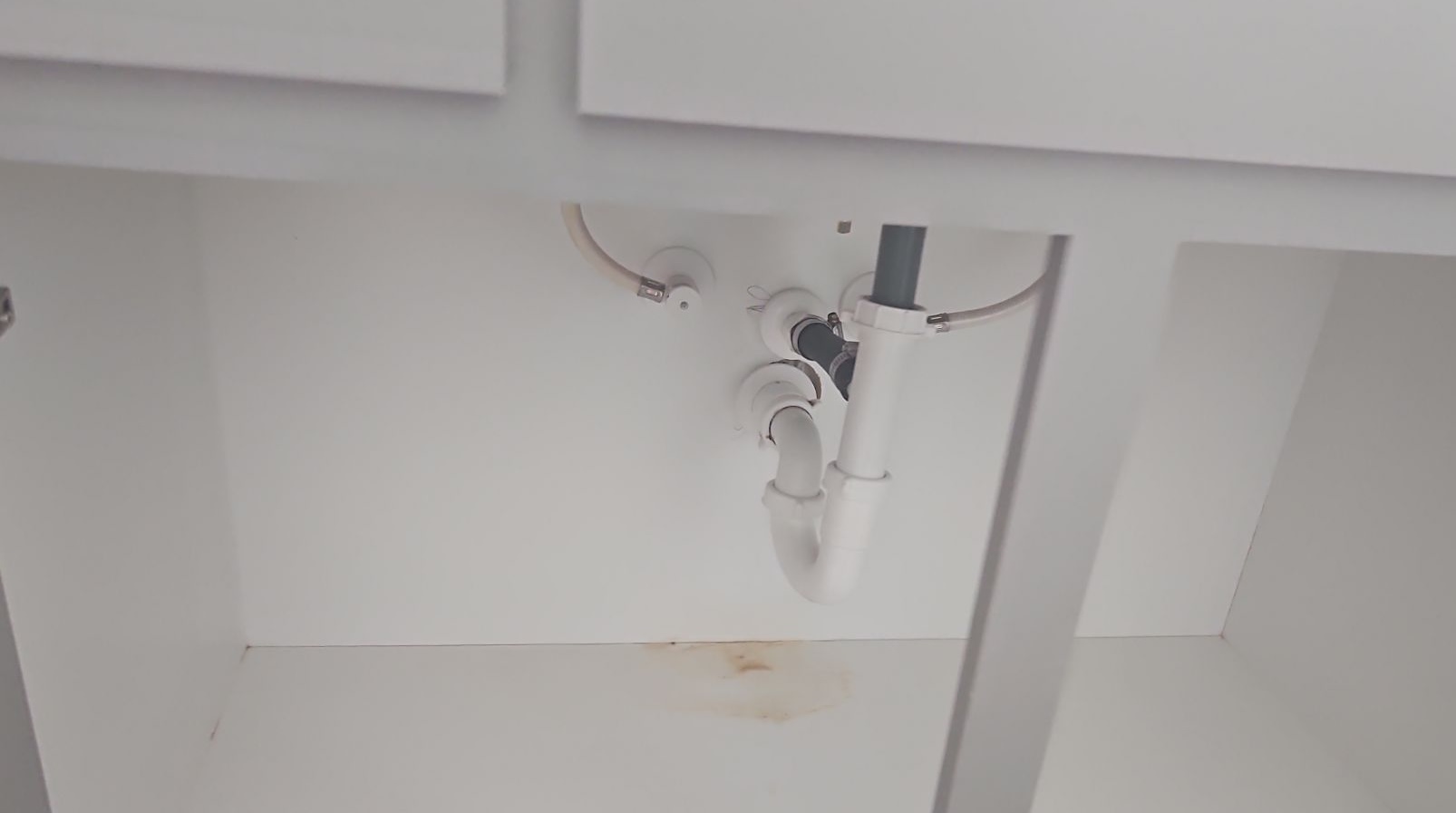
- Hidden plumbing, roof, or wall moisture
- Damp carpet, drywall, insulation, or framing
- Crawl-space, HVAC, or ventilation-related humidity

What to Do First
Take the Safest Next Step
- Note where and when the odor is strongest
- Do not cover the odor with fragrance or paint
- Avoid disturbing materials if visible growth is present
Related Service
Move From the Symptom to the Right Solution
Rainy Day can identify the source, determine urgency, document the condition, and explain whether the next step is mitigation, repair, remediation, or further investigation.
How we handle mold the right way:
- We start with a moisture assessment and stop the source — the roof leak, plumbing leak, crawl-space humidity, or past water loss that’s feeding the problem. Being a roofing and restoration company is what makes tracing that source possible.
- If there are signs of mold — visible growth or a musty odor — we refer you to an independent Mold Assessment Consultant (MAC), a professional licensed by the State of Texas, to test and confirm it. Keeping testing separate from the remediation keeps the results objective, and we can refer you to any of the many licensed MACs we work with.
- If the MAC confirms mold, we don’t touch anything until they’ve written a formal remediation protocol. That protocol typically covers containing the area (sealing it off with HEPA-filtered air scrubbers and negative air so spores don’t spread), removing and treating the affected materials to standard, and drying the space with a final clearance check — not spraying bleach and hoping.
- Then we fix the source and rebuild — repairing whatever let the water in and putting back what was removed. One team, start to finish.
Not Sure What Is Causing It? Start With Get Help
You do not need to diagnose the problem before contacting Rainy Day.