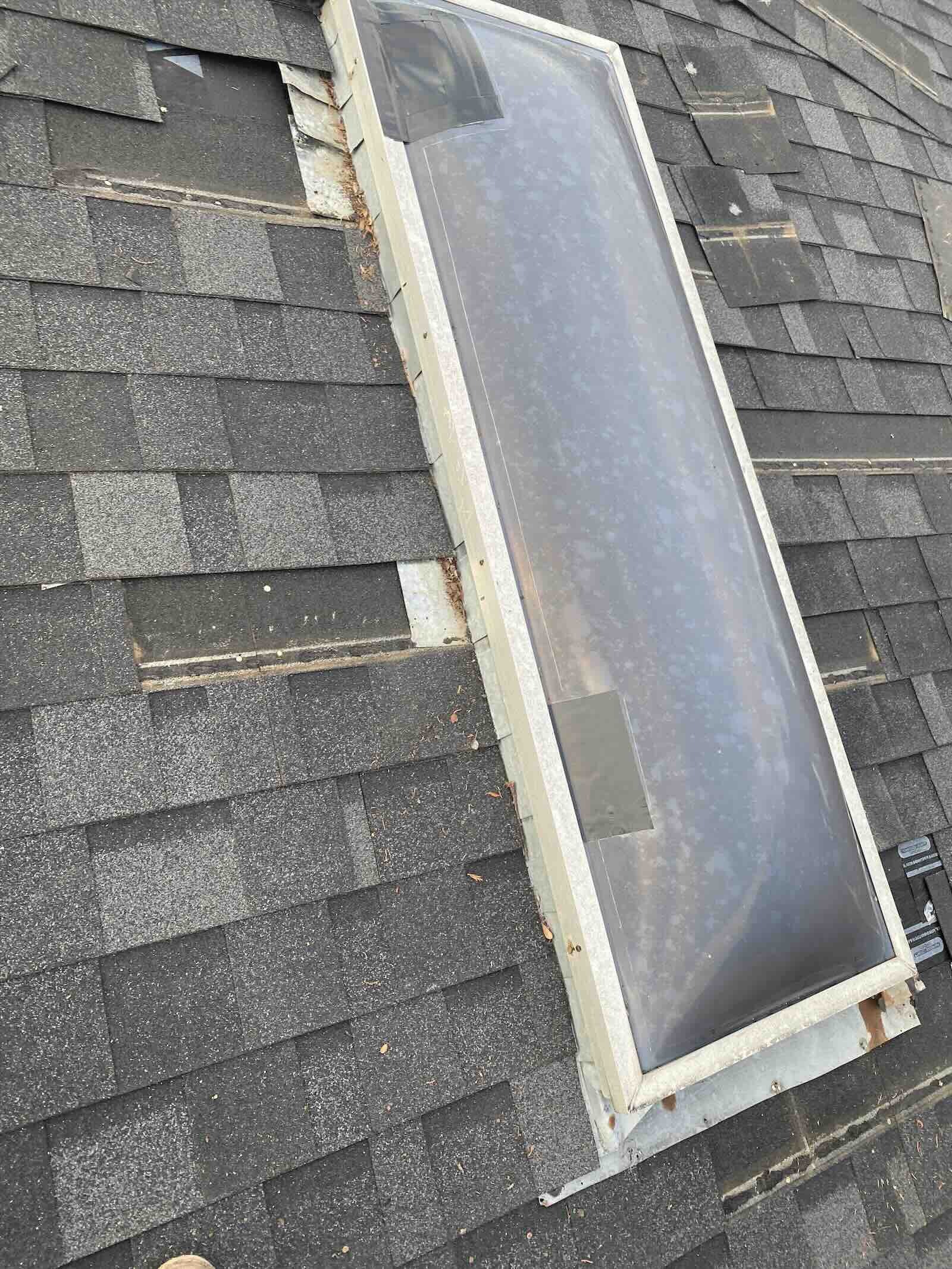
279 Highview Ln, Anna, TX 75409

Does storm damage affect rental property value more than owner-occupied homes?

Storm damage on a rental property carries a different financial profile than the same damage on an owner-occupied home. Landlords face tenant habitability obligations, potential rent abatement claims, and the ongoing depreciation of a damaged asset between the storm and the eventual repair. The cash flow implications of these factors compound the direct repair costs in ways that owner-occupants do not face.

For investors managing multiple properties in Collin County, the financial exposure is greater because the same patterns repeat across the portfolio. A hailstorm rarely affects a single property. It affects everything in its path, which means the response approach gets tested across multiple properties simultaneously. Landlords who handle one property reactively can absorb the inefficiency. Landlords who handle five properties reactively often find that the cumulative costs significantly exceed what a proactive approach would have produced.

The compounding factor is also worth understanding. Functional hail damage to asphalt shingles does not always produce immediate leaks. It accelerates the aging of the entire roof system, shortens the asset’s remaining service life by years, and creates the conditions where subsequent storms produce interior damage. A property that looked structurally sound after a May hailstorm can begin producing tenant complaints by August once the compromised areas have been tested by additional rainfall.

How soon should a landlord inspect a rental property after a hailstorm?

A landlord should arrange a professional roof inspection within 72 hours of any significant hailstorm in Collin County. Texas insurance policies typically include time limits on storm damage claims, and the longer the window between the storm and the documented inspection, the more difficult it becomes to establish that damage resulted from the specific storm event.

The inspection should be performed by a qualified roofing contractor rather than a property manager or maintenance handyman. Functional hail damage is not always visible from ground level. Trained assessment using the standards that insurance adjusters apply produces documentation that supports a complete claim, while informal inspections frequently miss damage that the property is legitimately entitled to have covered.

The inspection documentation also matters for tenant communications. A documented inspection establishes the timeline of the damage, the scope of required repairs, and the realistic timeframe for completion. This documentation protects the landlord through the repair process and supports habitability compliance under Texas landlord-tenant law.

Roofing contractor conducting professional hail damage inspection on McKinney, TX rental property after storm

What are a landlord’s obligations to tenants after storm damage?

Texas landlord-tenant law requires that rental properties remain habitable, which creates specific obligations when storm damage affects the occupancy of a unit. Damage that causes leaks, electrical hazards, structural concerns, or air quality issues triggers the landlord’s obligation to address the conditions promptly. Failure to do so can result in tenant remedies including rent abatement, repair-and-deduct actions, or in serious cases, the right to terminate the lease.

The practical implications for Collin County landlords include several specific responsibilities:

  • Documented communication with tenants about the damage, the repair plan, and the expected timeline
  • Prompt engagement of qualified contractors to address any habitability concerns, with priority given to conditions affecting safety or essential services
  • Clear records of all actions taken, including inspection reports, repair estimates, and contractor scheduling
  • Reasonable accommodation for tenants if the damage temporarily affects their ability to use parts of the property
  • Adherence to lease terms regarding repair timelines and access for contractor work

The combination of these obligations means that storm damage on a rental property is not just a repair decision. It is a legal and operational situation that requires careful management. Landlords who treat the response casually often face tenant disputes that complicate the recovery process and create ongoing exposure that proper documentation would have prevented.

Can a single storm event trigger both roofing and restoration needs?

Most significant hailstorms in Collin County produce damage that crosses multiple service categories. The visible roof damage is frequently accompanied by interior water damage from the rainfall that accompanies hail events, particularly when the storm exposes vulnerabilities in flashing, gutters, or roof penetrations.

By the time interior staining or ceiling damage appears, the moisture pathway has typically been active for hours or days. The damage has often progressed beyond what a simple roof repair will address. In McKinney’s humid climate, the water that entered during the storm can produce mold conditions in saturated materials within 24 to 48 hours, converting a manageable repair into a remediation project that significantly exceeds the original scope.

This is one of the reasons landlords benefit from working with a company that handles both roofing and restoration services. A contractor that addresses only the roof while ignoring the accompanying water damage leaves the property exposed to mold development in the days following the storm. A unified response that addresses roofing damage, water mitigation, and mold prevention together produces cleaner outcomes and stronger insurance documentation than splitting the work between separate providers.

How does insurance claim documentation affect investment property returns?

The quality of insurance claim documentation directly affects the financial outcome of a storm damage event, and the difference between complete and incomplete claims often runs into thousands of dollars per property. For investors managing multiple Collin County rentals, the cumulative impact of consistently better claim outcomes across a portfolio represents a meaningful component of the asset’s overall return.

A qualified roofing and restoration contractor produces documentation aligned with the standards insurance adjusters use to evaluate claims. This documentation includes photographic evidence of the damage, measurements supporting the scope, identification of damage that may not be obvious to a non-specialist, and supplements when initial settlements miss legitimate covered scope.

Investors who use the same contractor across multiple properties benefit from consistent documentation practices that simplify portfolio-level claim management. The contractor learns the properties, maintains records that span multiple events, and produces the kind of continuity that protects long-term asset value. A property manager handling claims independently, without contractor support, frequently accepts the adjuster’s initial assessment without challenge and leaves substantial claim value unrealized.

Roofing contractor reviewing hail damage documentation with insurance adjuster at McKinney, TX rental property

Why does choosing a local contractor matter more for rental properties than owner-occupied homes?

The risks of hiring out-of-area contractors are different for landlords than for owner-occupants. After every significant storm in Collin County, transient contractors flood the area offering quick contracts at prices that established local operations cannot match. For an investor with rental properties, these arrangements introduce specific exposure that owner-occupants do not face.

The risks specific to landlord-owned properties include several factors:

  • Warranty enforcement failures, since the contractor may be operating in a different market by the time issues surface, leaving the landlord without recourse on a multi-property scale
  • Documentation gaps that affect insurance outcomes across the portfolio, not just on a single property
  • Liability exposure if a poorly executed repair contributes to subsequent tenant complaints or habitability claims
  • Operational discontinuity that complicates ongoing portfolio management when the contractor cannot return for additional work or warranty service
  • Inconsistent quality across multiple properties when a transient contractor handles some properties while a different contractor handles others

Established local contractors with permanent presence in the McKinney area maintain the operational continuity that rental property management requires across multiple years. The same contractor can return for warranty service, handle repeat work as additional storms affect the portfolio, and provide the documentation continuity that supports ongoing asset management.

What should landlords have in place before the next storm?

The Collin County investors who handle storm damage most effectively are the ones who established their response approach before the storm arrived. Proactive preparation does not require significant investment, and it consistently produces outcomes that exceed reactive management.

A sound preparation approach includes several specific components:

  • An established relationship with a qualified roofing and restoration contractor that has been verified, vetted, and is familiar with the properties in the portfolio
  • Documented baseline condition reports for each property, including current roof condition photographs and any existing concerns that should be tracked
  • A clear protocol for tenant communication after storm events, including who reaches out, what information is shared, and how repair timelines are communicated
  • An understanding of the specific insurance coverage on each property, including deductible structures and any wind and hail provisions
  • A documented inspection schedule that catches developing issues between major storm events rather than only after them
  • Contractor contact information stored where it is accessible during the immediate aftermath of a storm, not searched for under pressure

Investors with this preparation in place consistently produce better financial outcomes from storm events than those who assemble a response after damage occurs. The preparation work happens during calm periods when decisions can be made deliberately, which produces meaningfully better results than decisions made under the pressure of an active situation.

How does a rental property landlord coordinate roofing and restoration work efficiently?

Coordinating roofing and restoration work efficiently on a rental property requires a unified approach that addresses both service categories simultaneously rather than sequentially. The most efficient approach involves a single contractor capable of handling both phases, which eliminates the coordination overhead and documentation gaps that arise when separate contractors handle related work.

A unified contractor approach produces several practical advantages. The same crew can identify and address roofing damage while simultaneously addressing any water damage that the storm produced inside the property. Documentation flows through a single source rather than requiring reconciliation between multiple contractors. Insurance claim work proceeds with consistent evidence and consistent communication. Tenant communications happen through a single point of contact rather than coordinating multiple contractor schedules and access requirements.

For landlords managing properties at distance, the value of a unified contractor approach is even greater. A single contractor that can manage the full scope of post-storm work, communicate clearly about progress, and produce the documentation that supports both insurance outcomes and tenant obligations significantly reduces the management overhead of remote property ownership. This efficiency translates directly into better long-term returns on the rental property portfolio.