Roof repairs can be daunting for homeowners, but it’s a critical part of home maintenance.
In McKinney, the weather can take a toll on residential roofing. From scorching summers to stormy winters, your roof is constantly exposed to harsh elements.
Some homeowners may consider DIY roof repairs to save money. It can be a rewarding experience, especially for those who enjoy home repair projects.
However, not all roof repairs are suitable for DIY. Some require the expertise of professional roofing contractors. Knowing when to call a pro can save you from further damage and expensive mistakes.
In this article, we’ll explore the world of DIY roof repairs. We’ll discuss when it’s feasible to handle repairs yourself and when it’s best to call in the pros.
Whether you’re a seasoned DIY enthusiast or a homeowner facing a roof leak, this guide will provide valuable insights.
Understanding Your Roof: Basics and Maintenance
Understanding your roof’s structure is crucial for effective maintenance. A typical residential roof consists of multiple layers, each serving a specific purpose. Shingles protect the surface, while underlayment adds extra insulation and support.
Various materials can be used in residential roofing, from asphalt shingles to metal and tile. Each has its own benefits. Knowing which material covers your home helps identify potential issues.
Regular maintenance is key to prolonging your roof’s life. Inspecting your roof periodically can prevent minor issues from becoming major problems. Simple upkeep practices like cleaning gutters ensure optimal drainage.
Weather conditions in McKinney also influence roof maintenance needs. Heavy rains and strong winds can damage shingles and create leaks. Understanding your local climate helps tailor your maintenance schedule.
Neglecting maintenance can lead to costly repairs. A well-maintained roof not only protects your home but also enhances its value. Taking the time to understand your roof’s needs is a wise investment.
Signs of Roof Damage to Look For

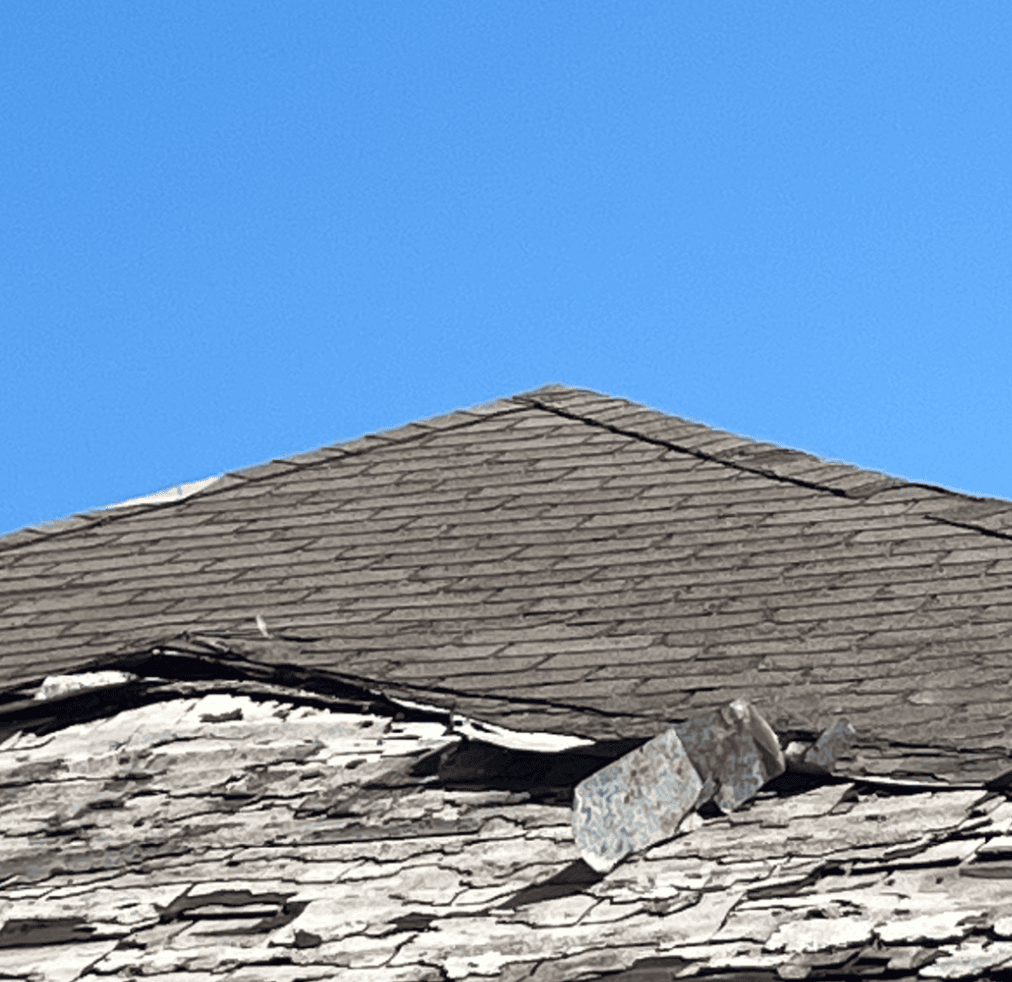
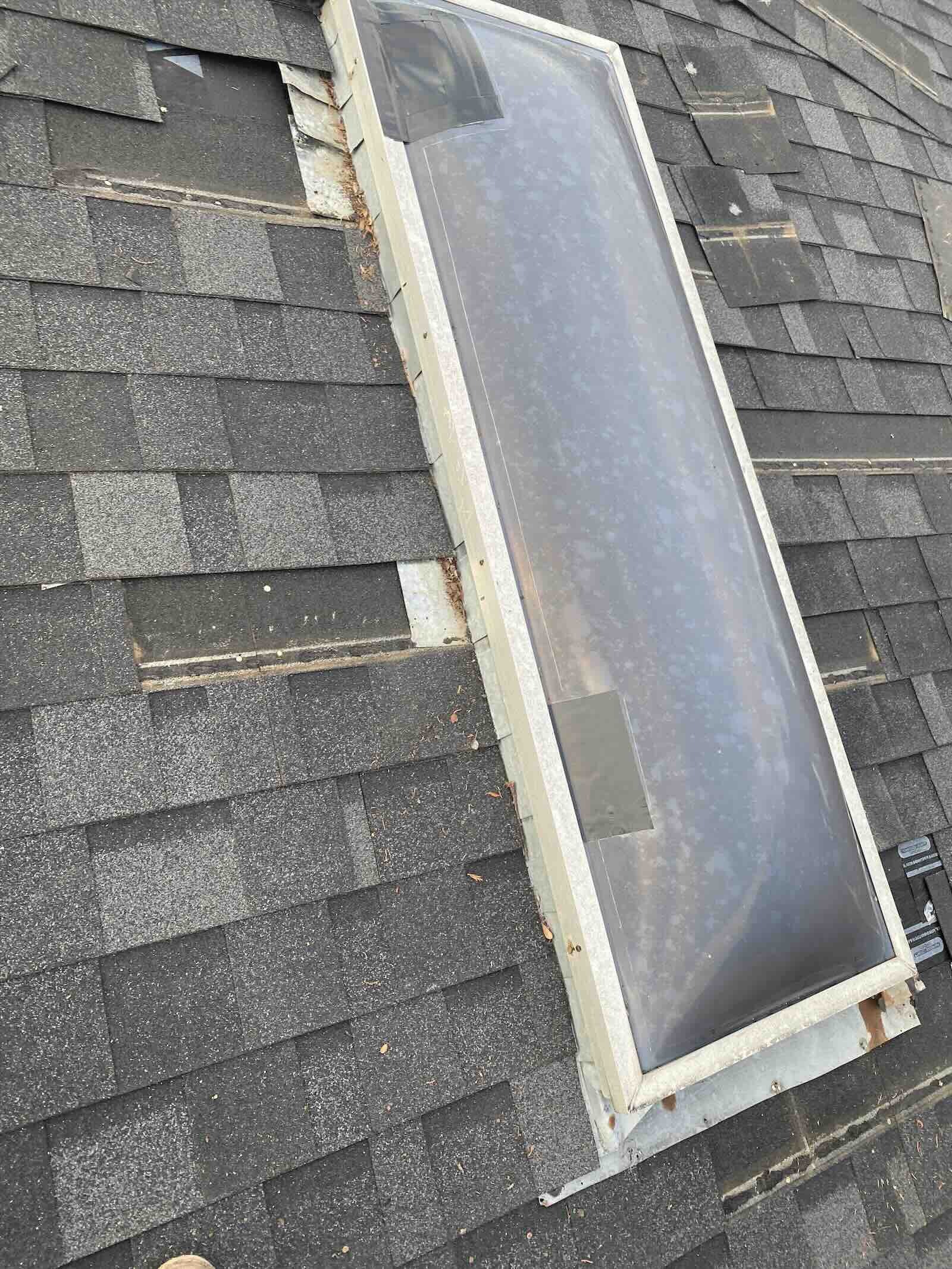
Spotting roof damage early can save you from headaches. Missing or damaged shingles are common signs that need immediate attention. Shingles may crack or curl from extreme weather.
Water stains on ceilings or walls can indicate roof leaks. These leaks might stem from damaged flashing or worn-out underlayment. Don’t wait for these signs to intensify before taking action.
Moss and algae growth on your roof can also signal trouble. While they may seem harmless, they trap moisture and damage shingles. Regular cleaning can prevent this type of damage.
Sagging roof lines are a serious concern. They often point to structural issues that need professional assessment. If you notice sagging, it might be time to call a roofing contractor.
Taking the time to check for these signs can prevent extensive damage. Regular inspections can keep your home safe and secure, saving you time and money.
DIY Roof Repairs: What You Can Handle
DIY roof repairs can be rewarding if approached wisely. Small issues are often manageable for homeowners with the right know-how. Replacing a few shingles or patching small leaks may fall within your skill set.
Before starting, assess the complexity of the repair. Simple fixes can save you money and give you peace of mind. However, tackling projects beyond your ability can lead to more harm than good.
Evaluate your confidence and experience level. If you’re comfortable with ladders and basic tools, you’ll likely handle minor repairs. Yet, always weigh the risks against your skills.
Remember, some home repair projects need precision and attention to detail. Poor execution can void your roof’s warranty. Be sure the repair does not compromise the overall structure.
With preparation and respect for your limits, DIY projects can be safe and effective. This way, you enhance your roof’s integrity without sacrificing safety.
Tools and Materials You’ll Need
Equipping yourself with the right tools is essential for any roof repair. Basic tools make tasks easier and more efficient.
First, prioritize safety gear. Invest in a sturdy ladder and non-slip shoes. These help prevent accidents while working at heights.
You’ll also need a roofing hammer, utility knife, and pry bar. These versatile tools can manage most shingle-related tasks. Stock up on roofing nails and adhesive as well.
With these tools on hand, you can tackle basic repairs confidently. It’s best to prepare before climbing up, ensuring everything is within reach.
Step-by-Step Guide to Simple Repairs

Embark on simple DIY repairs with a methodical approach. Start by identifying the damaged area. Closely examine shingles, flashing, and any obvious leaks.
Remove damaged shingles using your pry bar to lift nails gently. Be careful not to tear surrounding shingles. Replace with new shingles, aligning properly and securing with roofing nails.
For small leaks, use roofing sealant to fill gaps. Locate the leak’s source and apply sealant generously. Ensure complete coverage to prevent water seepage.
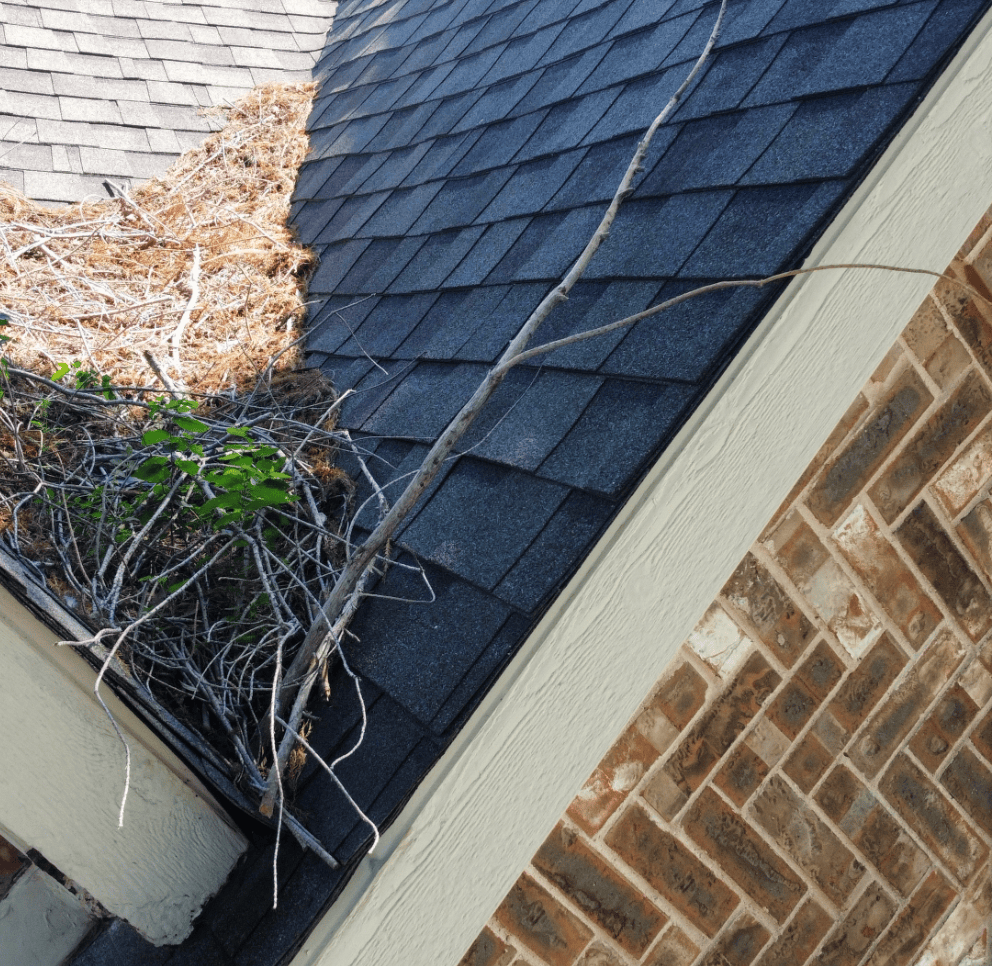
Clean gutters to enhance your roof’s health. Remove leaves and debris that block water flow. Use gloves for safety and thoroughly check for signs of rust or wear.
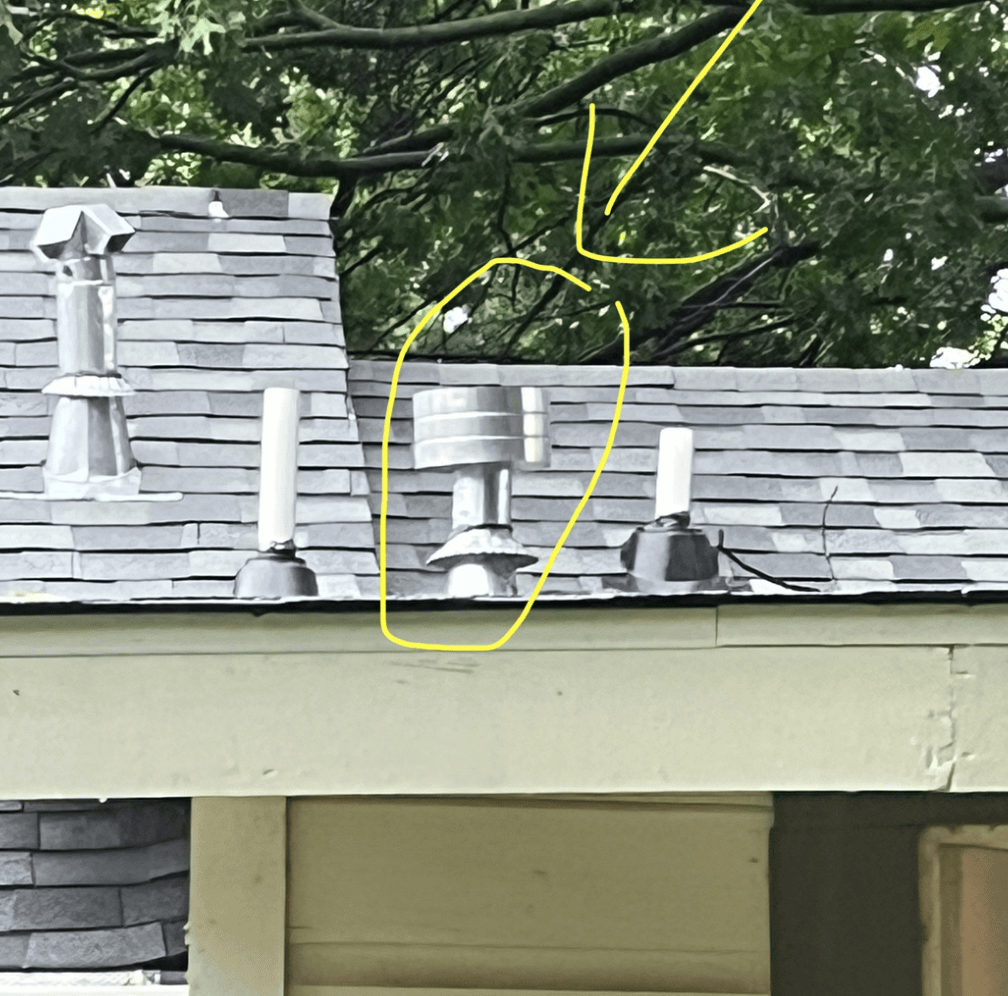
Check flashing around chimneys or vents as dents or cracked flashing can cause leaks. Replace or repair as needed, ensuring a snug fit to maintain watertight seals.
Work slowly to ensure repairs hold. Rushed work could cause issues later. Remember, attention to detail ensures long-lasting results.
Safety First: Precautions for DIY Roofing
Safety is paramount when tackling any roofing project. Understand the risks and take steps to protect yourself.
Begin by checking weather conditions. Ideal weather is dry and mild, minimizing slip hazards. Avoid repairs during rain or windy conditions.
Wear proper footwear with a good grip to avoid slips. Utilize a safety harness for extra protection, especially on steep roofs. This gear prevents falls and enhances confidence.
An organized workspace is a safe workspace. Keep tools within reach, reducing the risk of accidents. Store spare materials securely to prevent them from slipping down.
Inform someone of your plans before starting your repair. Having help nearby is ideal. Alternatively, ensure someone checks in on you periodically.
Taking these precautions significantly reduces the risk of injury. By emphasizing safety, your DIY roof repairs can be productive and secure.
When to Call Professional Roofing Contractors
Certain roof repairs demand a professional touch. Complex issues like structural damage or extensive leaks may be beyond DIY scope. In such cases, it’s prudent to call in experienced roofing contractors.
Homes in McKinney face specific weather challenges. High winds or hailstorms can inflict severe damage. If you’re uncertain about the extent, consult a pro.
Professional roofing contractors have the right tools for intricate jobs. Their expertise ensures repairs meet safety standards. They can also detect hidden issues you might overlook.
Attempting major repairs without skills can increase costs. Botched DIY jobs often require more extensive professional fixes later which adds to both time and expense.
Moreover, warranty considerations play a role. Unauthorized repairs might void roofing warranties. This can be costly if further issues arise.
For peace of mind and quality results, weigh your skills honestly. If a project feels too daunting, it’s best to hire a professional.
Assessing the Severity of Roof Damage
Spotting damage early saves headaches later. Assess your roof by looking for signs like missing shingles, sagging areas, or water spots inside. Each clue indicates potential trouble.
Determine if the damage affects a large area. Small patches may be DIY-friendly. However, widespread issues likely require a pro.
Safety should guide your assessment. If checking means precarious climbing or unsound surfaces, call an expert. They’ll offer safer inspections and detailed insights.
The Risks of DIY Roof Repairs

Tackling roof repairs yourself carries certain risks. Falls are a leading concern, especially without proper equipment. Even simple tasks can lead to injury.
Additionally, improper repairs often cause more damage. Misaligned shingles or poor sealing lead to persistent leaks. This can degrade interior spaces over time.
Weather is unpredictable and being caught off-guard during a repair can escalate problems. Understanding these risks helps set realistic DIY limits.
The Benefits of Hiring a Pro
Hiring a professional contractor brings many advantages. First, they guarantee quality work backed by experience. Professionals understand roofing systems and can tailor solutions accordingly.
Time efficiency is another benefit. Pros complete jobs swiftly without compromising quality. This minimizes disruption to your routine and home life.
Another key advantage is access to premium materials. Roofing contractors often provide materials not available to DIYers. This means longer-lasting repairs with better aesthetic results.
Professional roofers offer warranties for their work. This protects you from future problems and provides peace of mind.
Finally, peace of mind comes from knowing experts are handling your roof. With their skills, the risk of errors is minimized. This assurance is invaluable for complex or extensive repairs.
Balancing DIY Ambition with Practicality
DIY roof repairs offer a chance to learn and save money. However, not all roofing tasks are suitable for home repair projects. Assessing your skills and the complexity of the issue is crucial.
For minor issues, DIY might be rewarding and feasible. Yet, when faced with significant roof leak repair needs, professional help is often the wiser choice. Roofing contractors bring experience and knowledge that ensures lasting solutions.
Balancing your DIY ambitions with practicality can prevent further damage. If in doubt, consult a professional for an assessment. Safety and quality should always take priority over cost savings.
For expert residential roofing services in McKinney, contact Rainy Day Roofing and Restoration today!