
Roof Repair
Not every roof problem is a new roof. A lot of leaks come down to failed flashing, a few storm-damaged shingles, a bad boot around a vent, or a nail that backed out — and we’d rather fix that than sell you something you don’t need. We’ve been repairing North Texas roofs since 1999, we back leak repairs for 90 days, and because we chase the water the way a restoration crew does, we find where it’s actually getting in instead of just caulking the nearest suspicious spot.
A+ with the BBB · ~4.7★ across 140+ Google reviews · 27 years in North Texas
Common Repairs We Do
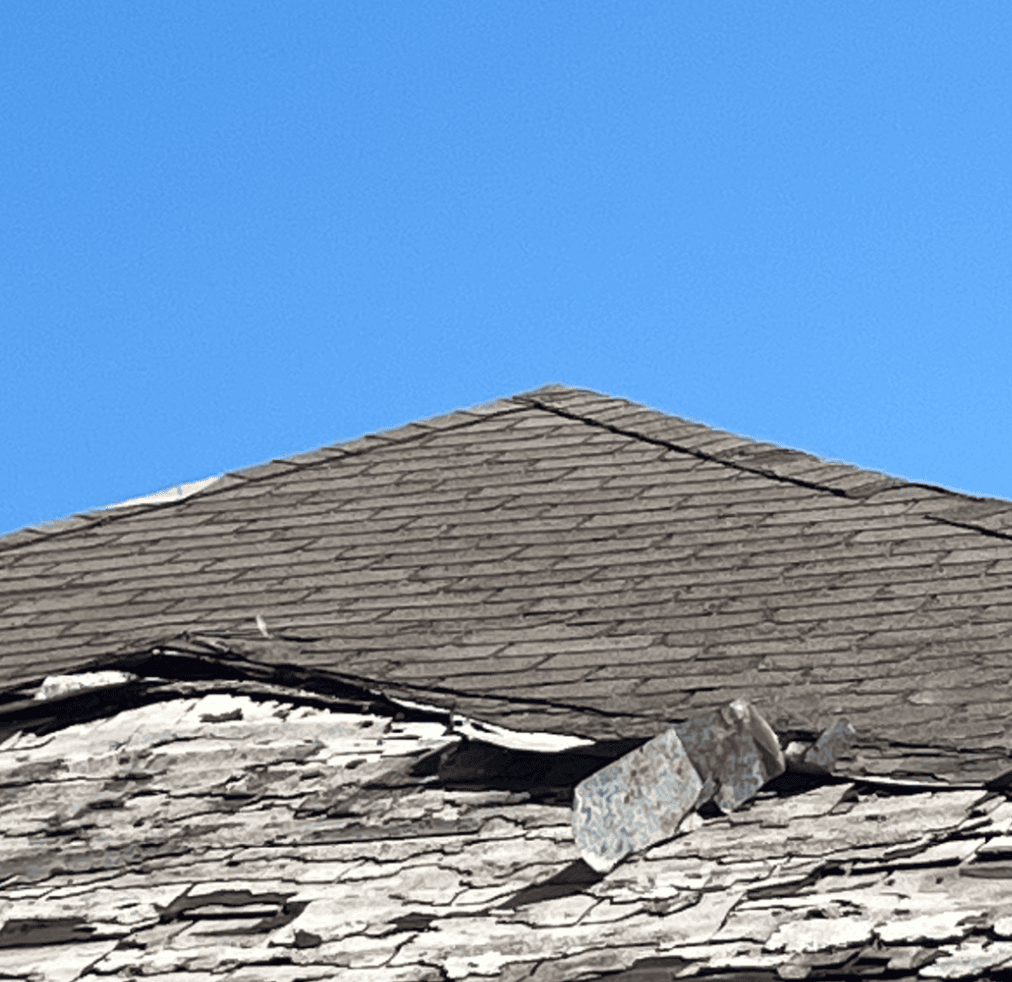
- Storm and hail damage to shingles
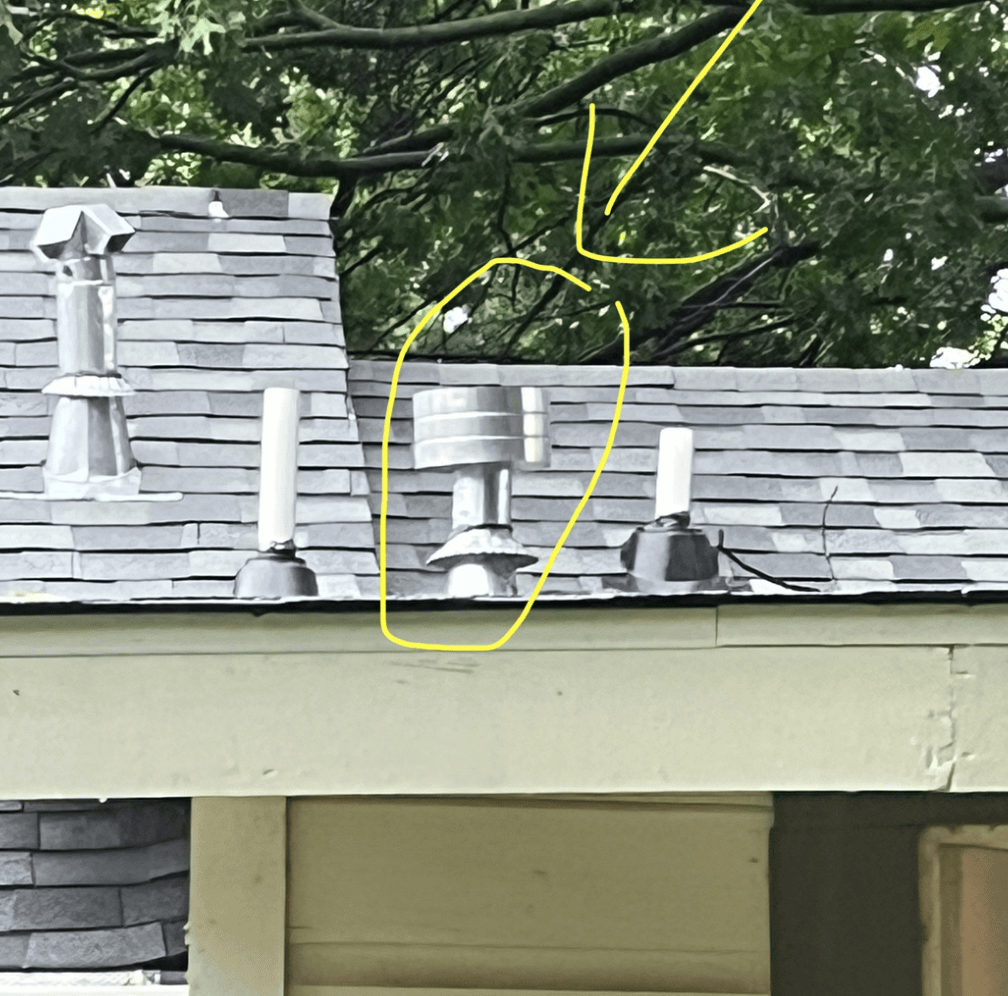
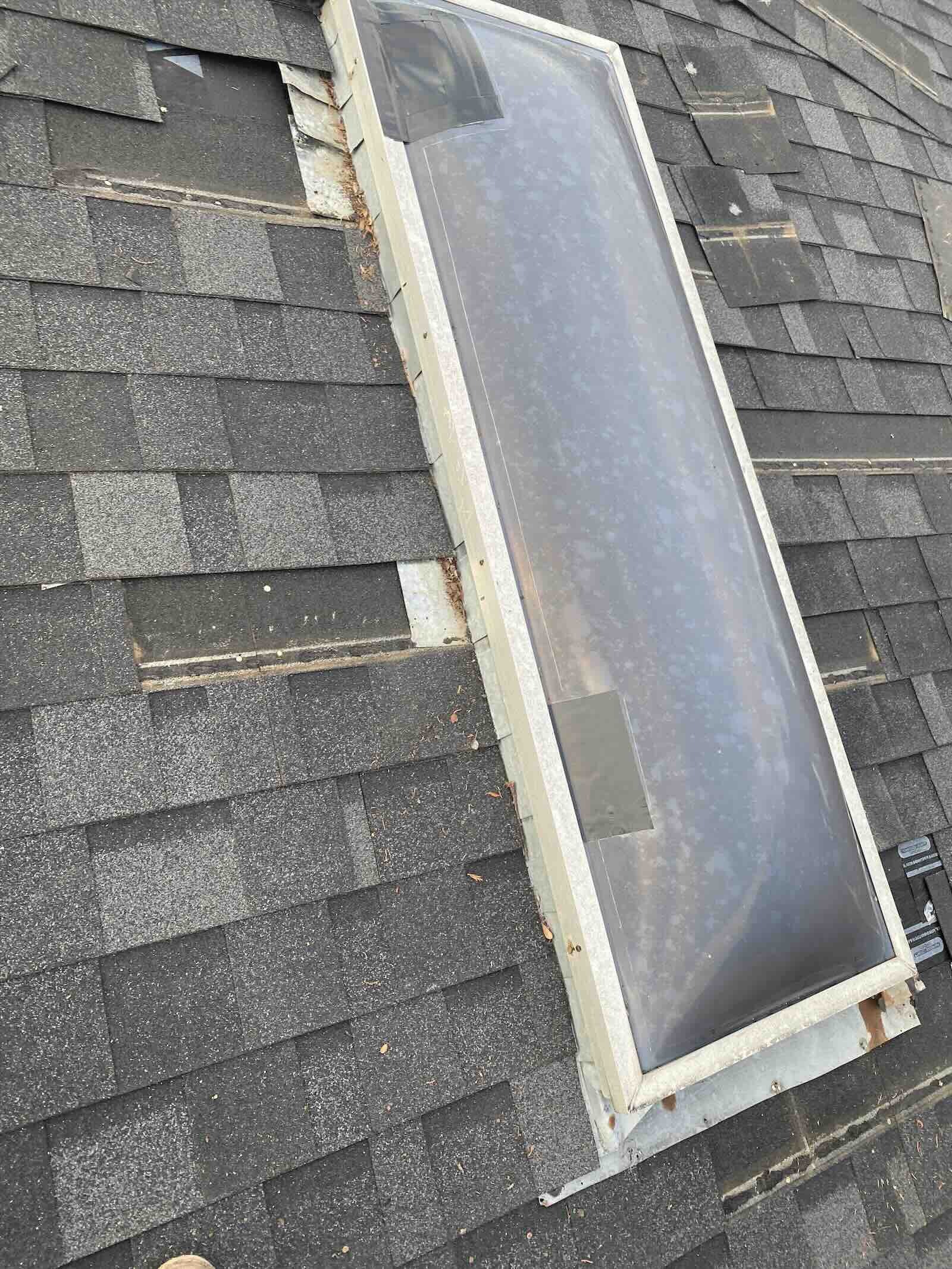
- Leaks around chimneys, skylights, valleys, and vent boots
- Failed or lifted flashing
- Missing or wind-torn shingles
- Nail pops and exposed fasteners
- Interior water staining traced back to its roof source
When a Repair Is the Smart Move
If your roof is fundamentally sound and the damage is localized — a spot of hail bruising, a section of lifted shingles, worn flashing at a chimney or valley — a repair will usually buy you several more good years for a fraction of a replacement. We’ll tell you honestly which camp you’re in.
If a repair will hold, we’ll repair it. If you’re throwing good money at a roof that’s genuinely done, we’ll show you why, with photos, and let you decide.
How We Handle a Repair
- Find the actual source. A ceiling stain is rarely directly under the leak — water travels. We get on the roof and into the attic and trace it back to where it’s really getting in.
- Fix it and document it. We make the repair, photograph before and after, and if it’s storm-related, build the file you’d need for a claim.
- Check for hidden water. If the leak has been going a while, we check for wet insulation, decking, and the early signs of mold — because a “fixed” roof over a wet attic is a mold problem waiting to happen.
- Back it. Leak repairs carry a 90-day warranty.
What Affects Roof Repair Cost?
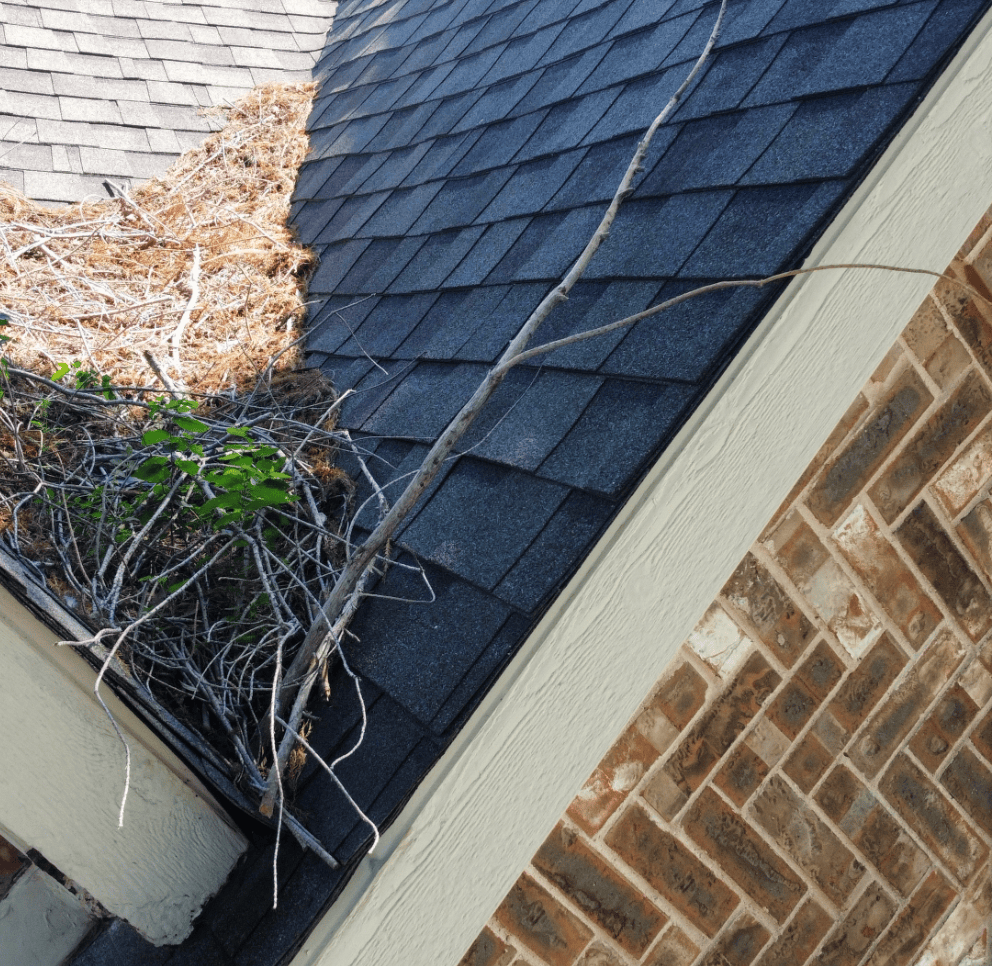
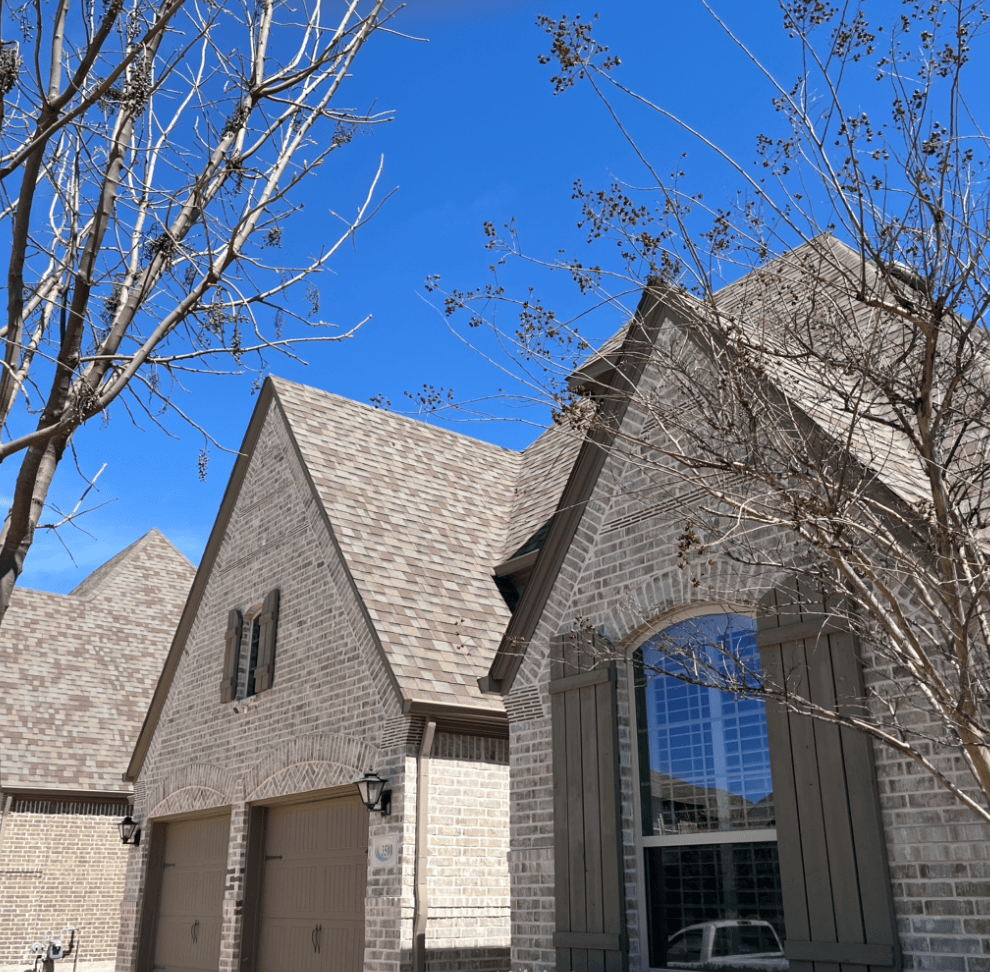
Repairs range widely depending on what’s wrong, how accessible it is, and whether there’s underlying water damage. We’ll give you a clear price after we’ve inspected it — and if what we find turns a repair into a replacement conversation, we’ll show you exactly why before anything changes.
Why Homeowners Call Us First
- We repair when a repair will do. If patching it gets you several more good years, that’s what we’ll recommend — we’re not here to talk you into a roof you don’t need.
- We find the actual source. A ceiling stain is rarely under the leak. We trace it to where the water truly gets in, so it’s fixed once, not “fixed” three times.
- Backed in writing. Every leak repair carries a 90-day warranty.
- Storm or hail damage? We document it for your claim. We photograph and package it the way adjusters expect and give you paperwork ready to submit. (We’re not public adjusters and can’t negotiate your settlement — but we can refer you to one if your carrier lowballs you.)
- An honest answer. We’ll get on the roof and tell you the truth about what it needs, with photos.
Straight Talk
The Honest Version
Some companies only make real money on replacements, so every inspection somehow ends in a new roof. We do a lot of replacements — it’s a big part of what we do — but we also do a lot of repairs, and we’ve kept customers for years by telling them the truth about which one they need. When a repair is the right answer, that’s what we’ll recommend.
Questions Property Owners Ask First
Can every roof leak be found during one inspection?
Not always. Intermittent leaks may require weather conditions, controlled testing, selective access, or additional investigation before the source can be confirmed.
How do I know whether I need repair or replacement?
The decision depends on the location and extent of damage, roof age, material condition, repair history, matching, and whether a localized repair can perform reliably.
Will a roof repair stop the interior stain?
Correcting the source prevents new water entry, but the stained or damaged interior material may still require drying, cleaning, or repair.
Can Rainy Day repair flashing and wall leaks?
Rainy Day evaluates roof and exterior transitions and can perform appropriate roofing and repair work. Some wall or specialty conditions may require additional investigation or trade coordination.
Should I cover the area with a tarp?
Temporary protection can reduce additional entry when installed safely and correctly. Do not climb onto a wet, steep, or damaged roof.
We’ll Give You a Straight Answer
Project Evidence
See How Similar Problems Were Solved.
Review documented North Texas projects that show the visible condition, investigation, work performed, and finished result. Roof repair projects will be highlighted as the library grows.
Project Evidence
Compare Similar North Texas Projects
Use the project library to review documented conditions, investigation, repair scope, and finished results.