
A roof inspection in Allen found old hail damage with no wind damage present. This finding led to a full roof replacement rather than a spot repair. The job began as a straightforward condition assessment. It ended with a completed tear-off, new underlayment, new shingles, replaced flashing and vents, and high-profile ridge shingles. The finished roof passed final inspection, and our team documented it for insurance. This report walks through what we found, what work followed, and why hail damage in particular deserves a closer look even when a roof appears fine from the ground.
What we found in Allen
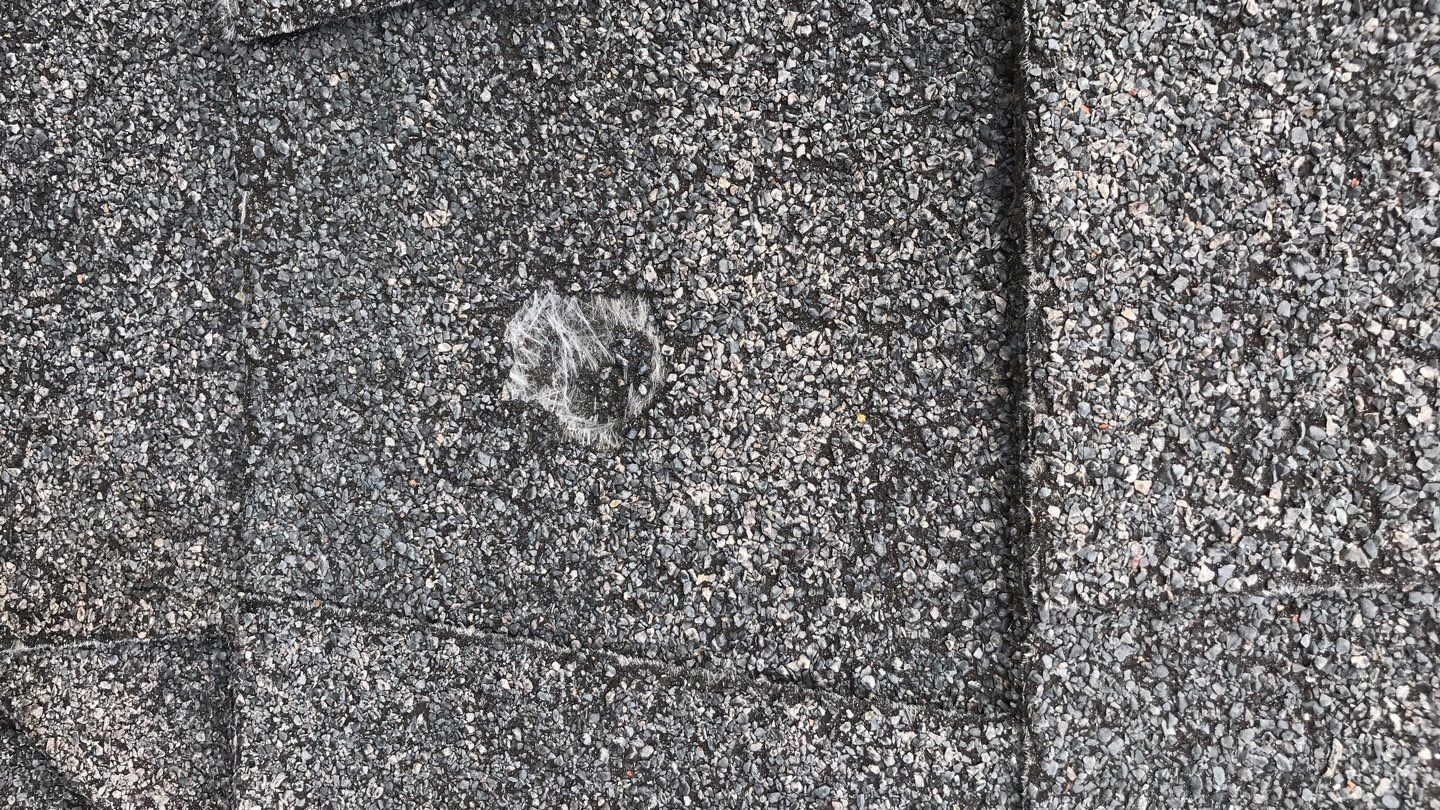
The job started as a roof inspection to assess current condition. It was not a response to an active leak or a storm-chasing pitch. Once on the roof, our team documented old hail damage across the shingle surface. No wind damage showed up, which is worth noting. Hail and wind often get lumped together, but they leave different signatures. This roof’s condition pointed specifically to impact damage rather than lifted or torn shingles from wind.
Rainy Day’s role in Allen
Rainy Day Restoration & Roofing has operated as a family-owned company in North Texas since 1999. On jobs like this one, our role starts with an honest inspection. Not every roof that gets a look needs full replacement, but this one did, based on what we documented. We handle inspection, documentation, and the physical work under one roof. Because of that, the homeowner didn’t need to coordinate separate companies for the assessment and the repair.
The roof inspection in Allen, TX, step by step
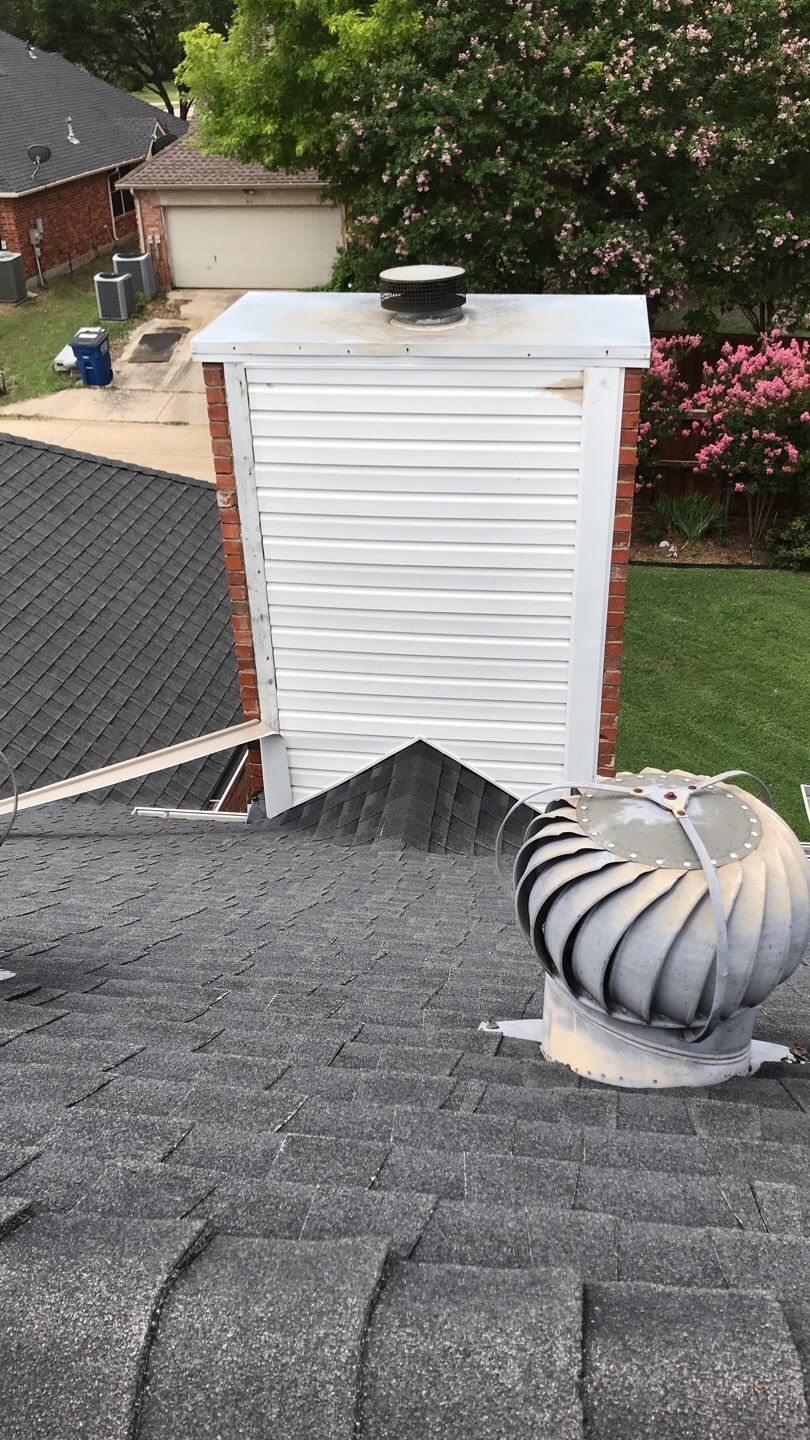
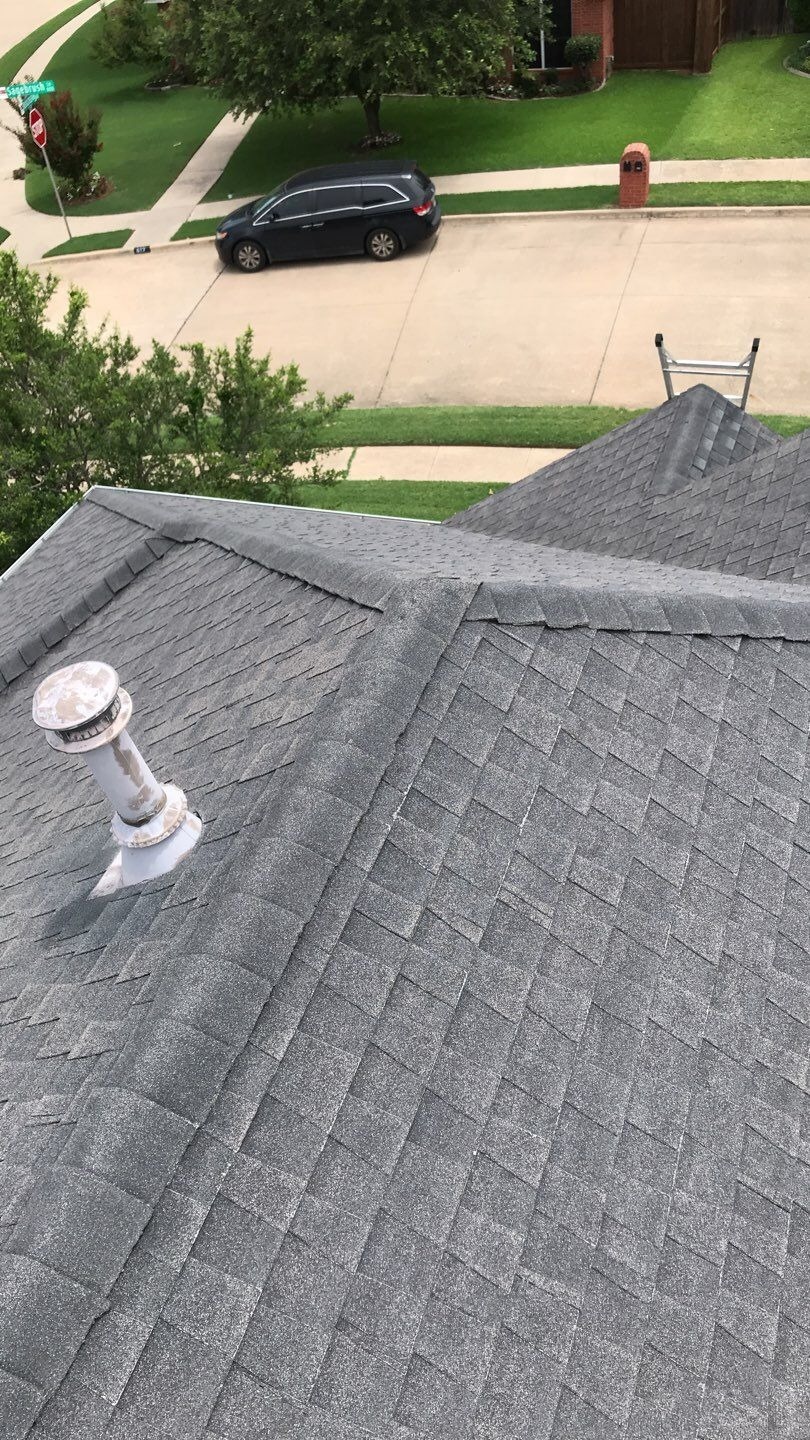
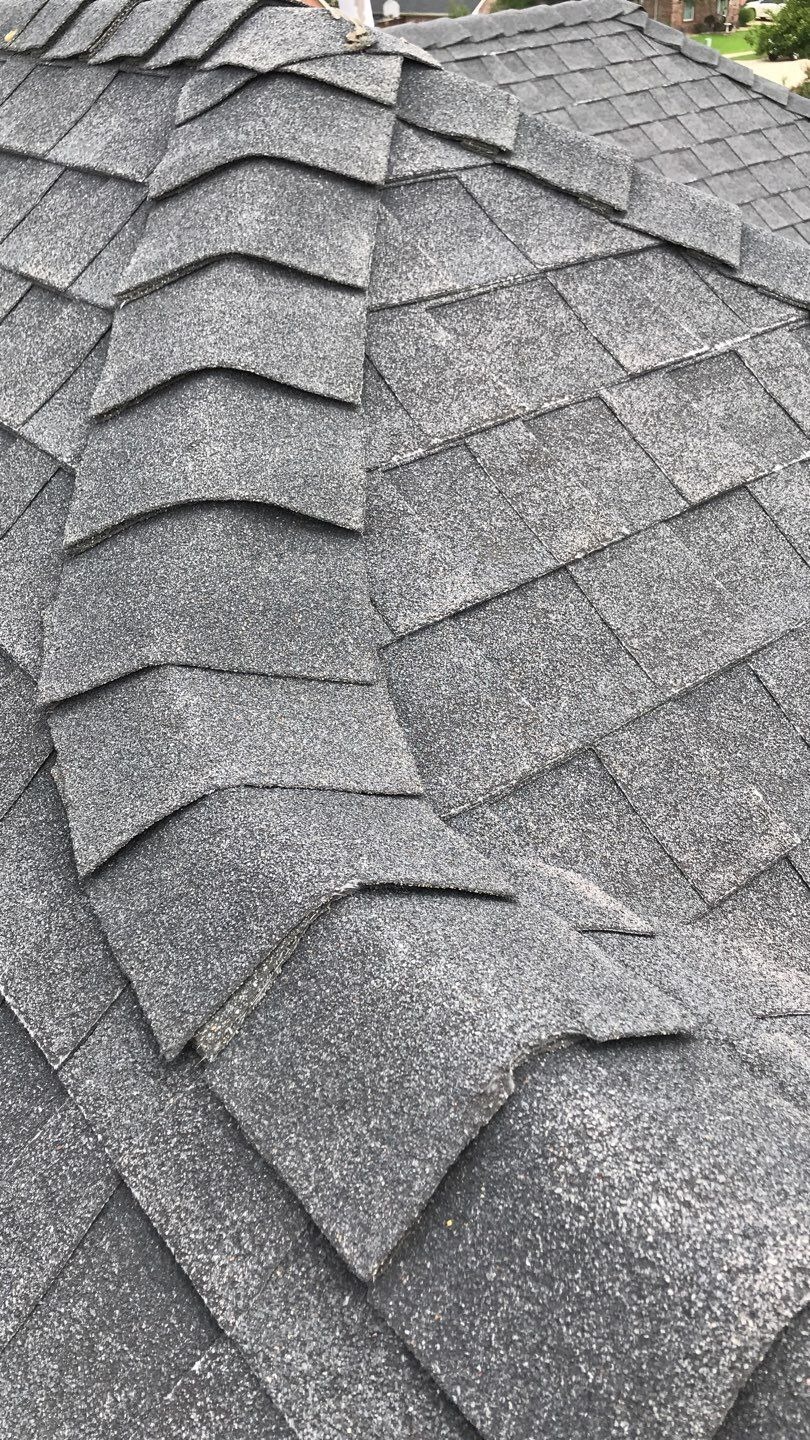
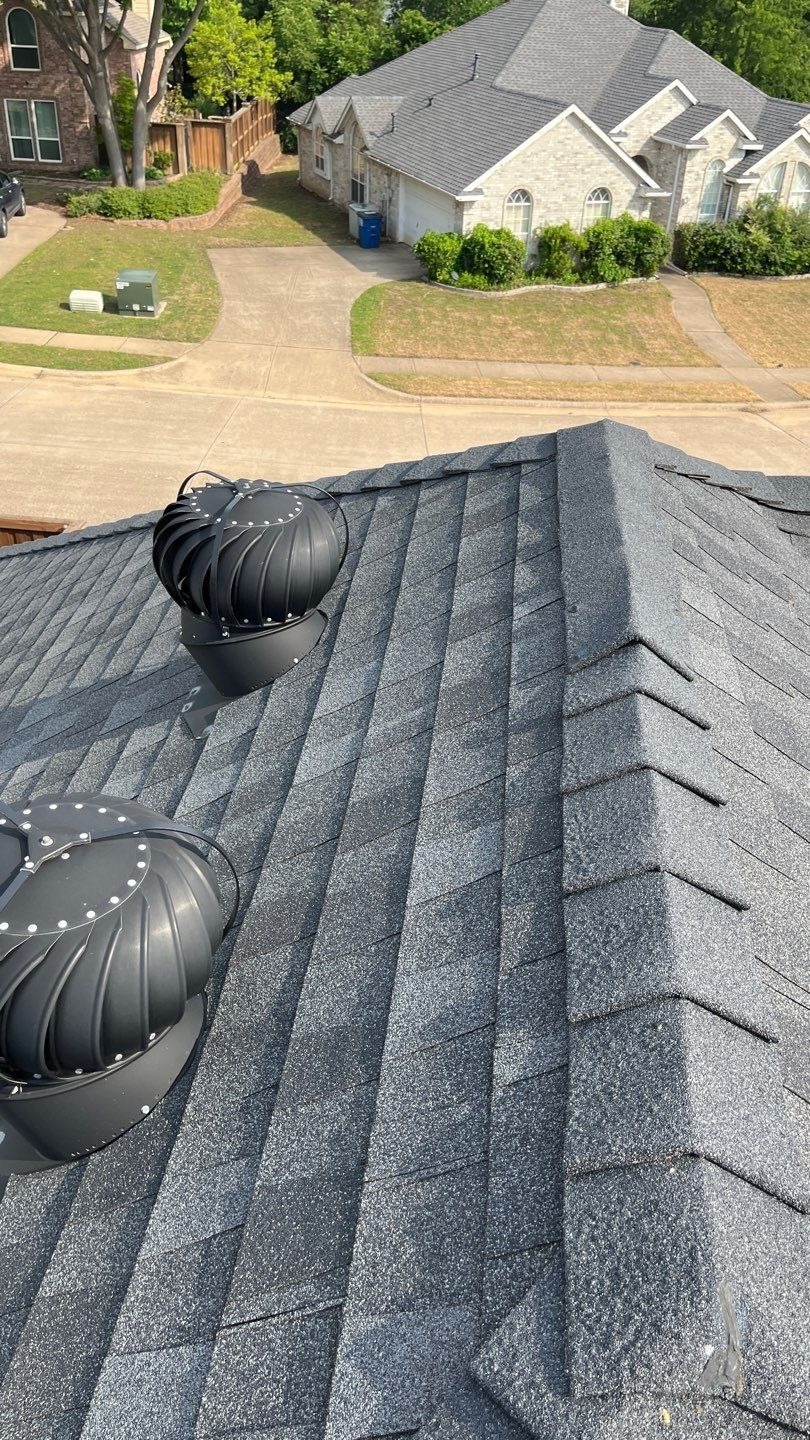
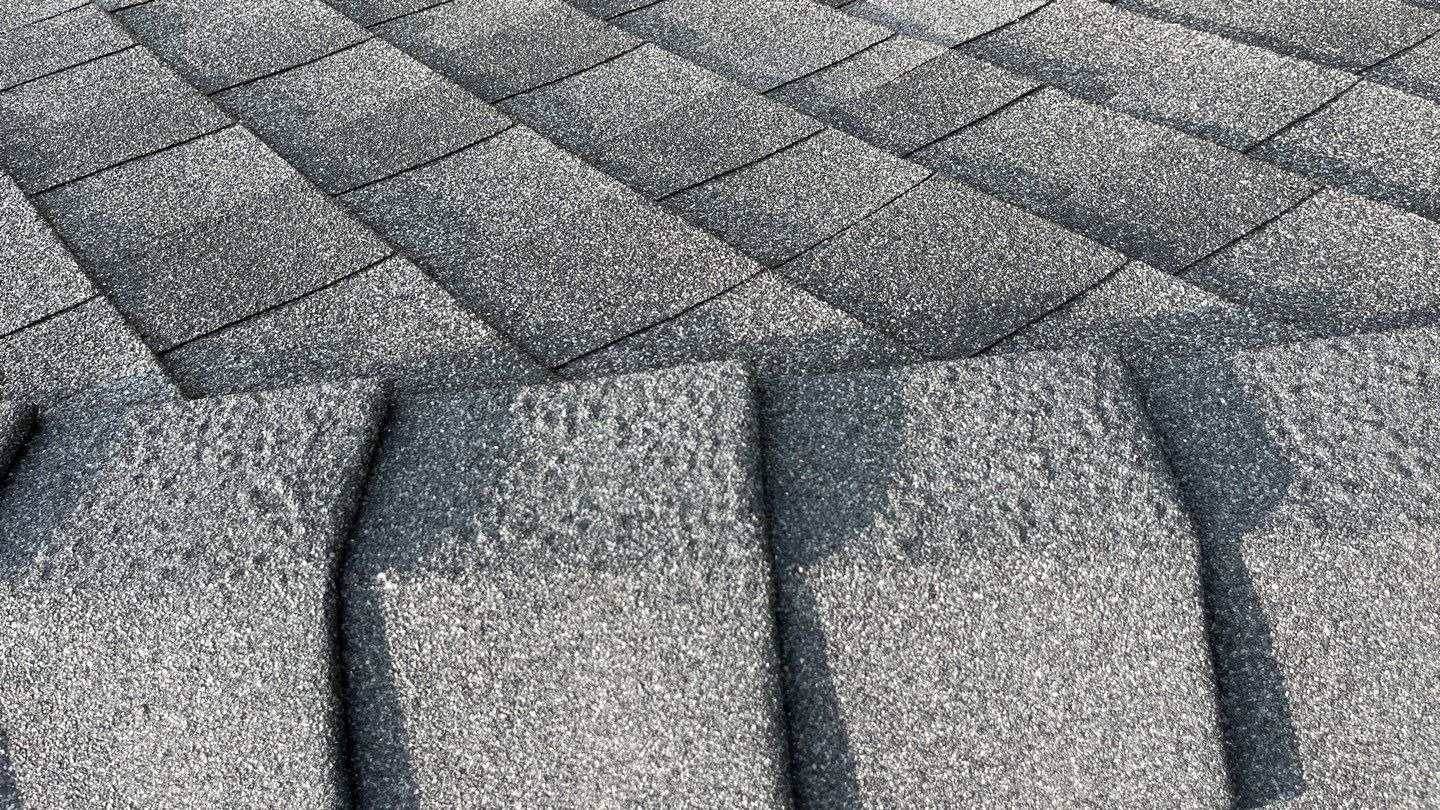
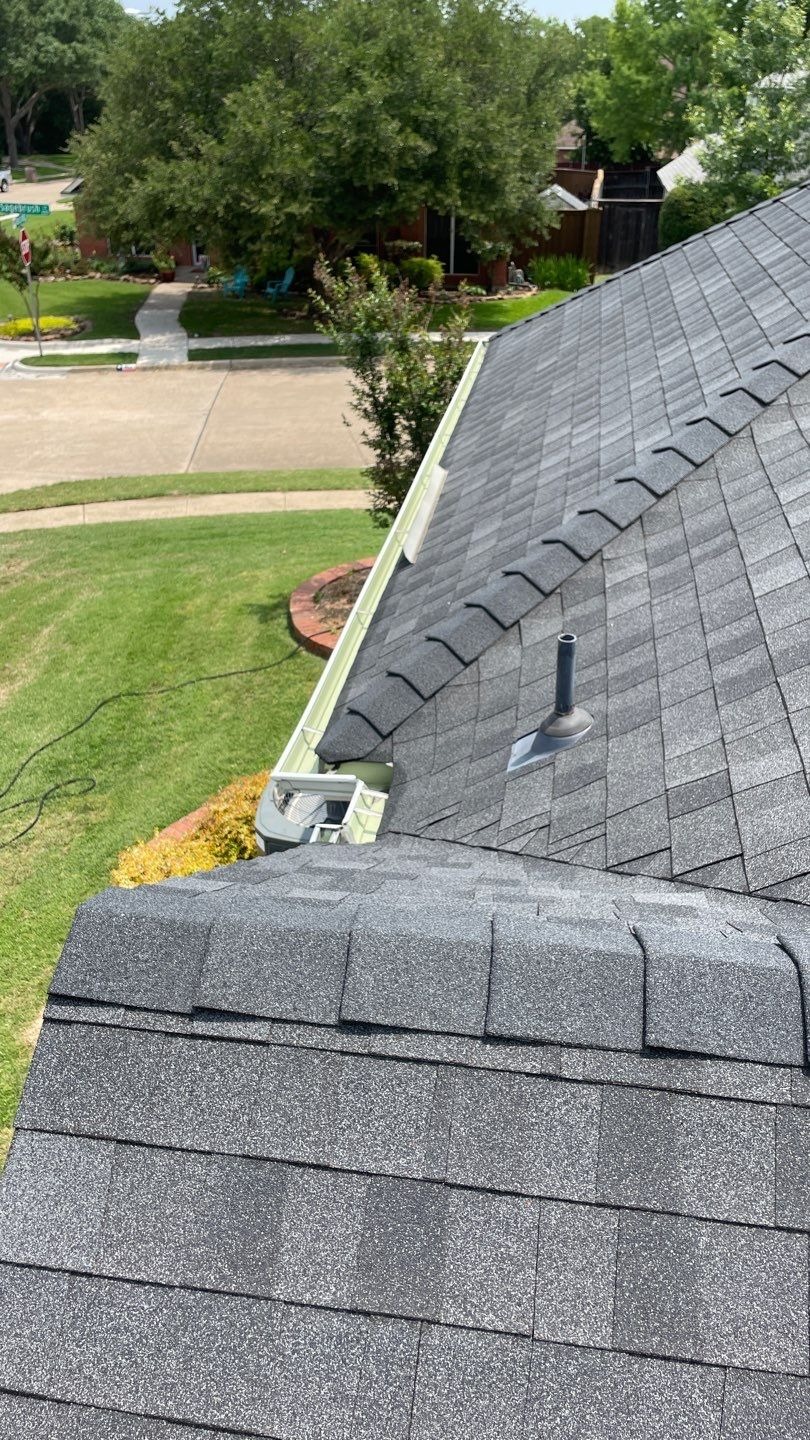
Once our team confirmed hail damage, the scope moved to a full tear-off. That means removing the existing shingle layer down to the deck rather than layering new shingles over old. From there, our crew installed new underlayment across the deck, then installed new shingles matching the home’s profile. We replaced flashing and vents as part of the same scope, since old flashing and vent boots are common points of failure even on a roof that looks otherwise sound. The ridge line received high-profile ridge shingles, a detail that affects both the finished appearance and how well the ridge sheds water over time.
What the photos show
The photo set from this job documents the roof at key stages. It shows the condition our team found during inspection, the deck once the crew removed the old shingles, underlayment installed before the new shingle layer went down, and the completed roof with new shingles, flashing, vents, and ridge line in place. Together they show the sequence from bare deck to finished surface.
Why hail damage is worth taking seriously
Hail damage is easy to miss because it doesn’t always cause an immediate leak. Bruised or cracked shingle mat can sit quietly for months or years before it starts letting water through. By the time a homeowner notices a ceiling stain, the underlayment and deck may already be compromised. That’s part of why a roof inspection matters even without an active problem. It catches damage while it’s still cosmetic and structural, not yet a water intrusion issue inside the home.
Result and next step for this Allen roof
This roof inspection in Allen, TX led to a completed replacement that passed final inspection. Our team also documented the job for insurance, which matters if hail damage comes up later as part of a claim. Dated photos and a clear scope of work tied to a documented cause give the homeowner a paper trail rather than relying on memory. No remaining work stands on this job; the roof is finished, and the documentation is on file.
Guidance for property owners in Allen and North Texas
If your roof has been through a hailstorm, even one that didn’t seem severe at the time, it’s worth having someone look closely at the shingle surface. Don’t assume everything is fine just because there’s no visible leak. Hail damage often shows up as bruising, cracked mat, or granule loss that’s hard to see from the ground. You can check the National Weather Service Fort Worth office for local storm history if you’re unsure whether a past hailstorm affected your area. An inspection gives you a documented record of condition, which is useful whether you end up needing repair, replacement, or nothing at all.
Related guidance
For homeowners dealing with a similar situation, these resources may help: learn more about roof replacement, review the signs of hail damage on a roof, or get help from our team to schedule an inspection.
More Rainy Day projects: Pre-Listing Roof Inspection Finds Buckled Shingles and Missing Kickout Flashing in Roanoke.
Frequently asked questions
How do you know if roof damage is from hail and not wind?
Hail typically leaves round, localized impact marks with bruising or cracked shingle mat. Wind damage usually shows up as lifted, torn, or missing shingles along edges and ridges. On this Allen roof, the inspection found hail damage with no wind damage present, based on the pattern documented on the shingle surface.
Does a roof inspection in Allen, TX always lead to a full roof replacement?
Not always – it depends on the extent and pattern of damage found during inspection. In this case, the documented hail damage across the roof led to a full tear-off and replacement rather than a partial repair.
What does a full tear-off roof replacement include?
A full tear-off removes the existing shingles down to the roof deck. Then the crew installs new underlayment, new shingles, and typically new flashing and vents, just as it did on this completed Allen job.
Why does roof replacement documentation matter for insurance?
Dated photos and a documented cause, like the hail damage confirmed here, give homeowners a clear record to reference if a hail-related claim comes up or gets reviewed later.
“I've been using Rainy Day Restoration and Roofing for about a decade now. Josh and crew have always been great and the work is top-notch. Excellent communication throughout the process as well. I've used them for roof replacement, gutters, solar screens, fence and patio cover staining, exterior painting, and interior drywall/painting. They are who I always trust to get the job done right.”