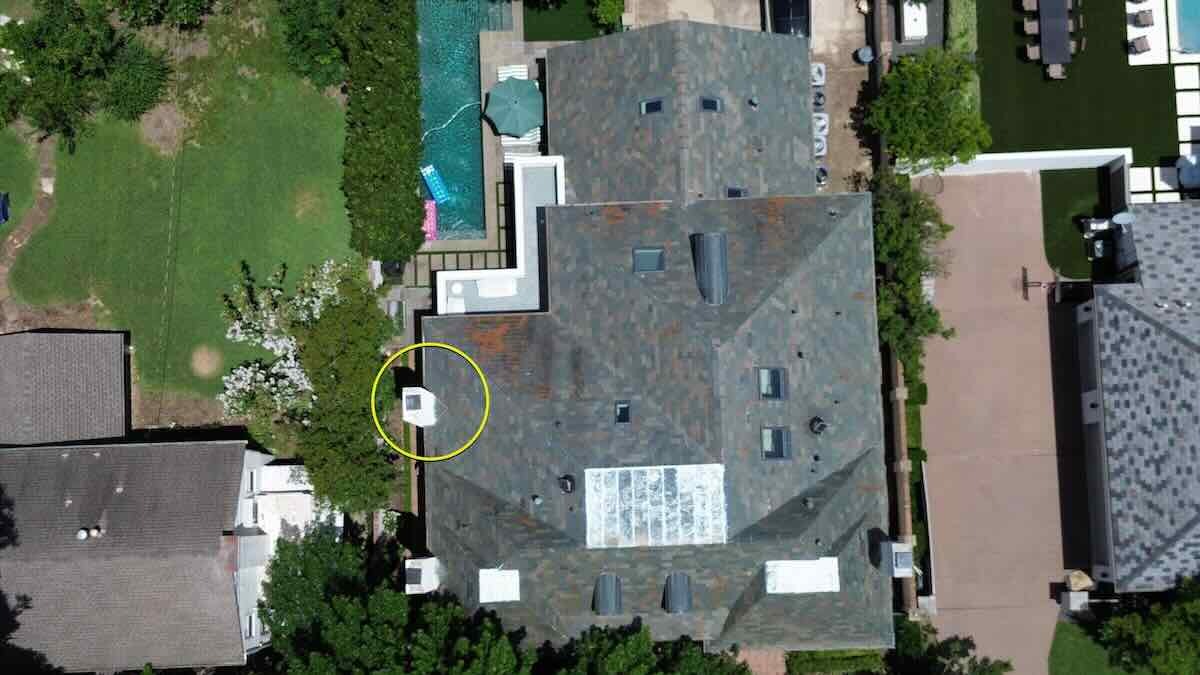
Roof damage is a common issue for homeowners in Texas. The state’s severe weather conditions, such as hail, wind, and storms, often lead to significant roof damage.
Understanding how to navigate insurance claims for this damage is crucial. It can be a complex process, involving understanding policy coverage, documenting damage, and working with roofing contractors.
This guide aims to simplify that process. It provides clear, actionable information to help you manage roof damage insurance claims.
Whether you’re currently dealing with roof damage or want to be prepared for the future, this guide will be a valuable resource.
The Texas Climate and Roof Damage
Texas experiences a variety of extreme weather conditions. Hailstorms, high winds, and intense thunderstorms can occur frequently and pose significant threats to residential roofing.
Hail can puncture shingles, causing immediate and lasting water damage. Strong winds may lift or tear off parts of the roof entirely. Consistent heavy rain can lead to gradual roof deterioration and leaks.
Understanding these risks is essential for Texas homeowners. Regular roof inspections and maintenance can mitigate damage from these weather conditions and save you time and money when severe weather strikes.
Know Your Insurance Policy
Before filing a claim, understanding your insurance policy is vital. Knowledge of your coverage specifics can prevent surprises during the claims process. Every homeowner should review their policy regularly.
Insurance policies often have different coverage levels. Being familiar with specific terms such as deductibles and claim limits is important. This understanding helps manage expectations during a claim.
Take time to read the fine print or consult with your insurer. A clear understanding of your policy will guide you through the insurance claims process. Here are aspects to focus on:
- Deductibles
- Coverage limits
- Claims process timeline
- Communication requirements
Types of Roof Damage Covered
Insurance policies can vary, covering different types of roof damage. Commonly covered events include hail, windstorms, and impacts from fallen objects. Understanding these distinctions is vital for effectively filing a claim.
Each policy outlines specific conditions for coverage. For instance, sudden weather damage is typically included. However, claims for gradual wear and tear may not be accepted. Always verify which scenarios your policy covers.
Policy Exclusions to Be Aware Of
While many damages get coverage, exclusions may apply. Some policies exclude damage from neglect or improper maintenance, disallowing claims. Ensure your roof’s upkeep aligns with policy requirements.
Floods and certain natural disasters might not be covered, so it’s crucial to identify which events an insurer considers exceptions. Consider obtaining endorsements for broader protection for extra peace of mind.
Documenting the Damage

After a damaging event, swift documentation is crucial. Take clear photos and videos to capture all roof damage. This visual evidence supports your insurance claim.
Comprehensive records bolster your case. Note the date and time of the event, as well as the specific weather conditions. This information helps establish the cause of the damage and justifies your claim.
Keep all documentation organized and readily accessible. Providing thorough evidence can ease negotiations with your insurer and strong documentation often leads to a smoother claims process.
Filing Your Claim Promptly
Timeliness in filing your claim is critical. Delaying the process can lead to complications. Insurers may refuse delayed claims, citing neglect.
Once the damage is documented, notify your insurer as soon as possible. Quick action helps ensure that the claim is processed on time. Prompt filing demonstrates your commitment to addressing the issue.
Every policy has specific deadlines for reporting damage. Familiarize yourself with these and adhere to them to protect your rights. Acting promptly can make a significant difference in the claim outcome.
Choosing the Right Roofing Contractor
Selecting the right roofing contractor is crucial to a successful claim process. A skilled contractor can provide accurate assessments and quality workmanship. Homeowners should look for contractors who are licensed and insured.
Check online reviews and ask for recommendations from friends or neighbors. A reputable contractor will have a track record of satisfied customers. Always seek multiple quotes to compare services and prices.
Ensure the contractor understands insurance claims procedures. This knowledge helps facilitate smoother interactions with your insurer. Their expertise can be instrumental in settling claims efficiently and effectively.
The Role of Roofing Contractors in Claims
Roofing contractors play an integral part in the insurance claims process. They conduct thorough inspections and detailed reports that document the extent of the damage.
Contractors can communicate directly with insurance adjusters if needed. They ensure that nothing is overlooked in the damage report. Their expertise ensures a comprehensive approach to your claim documentation.
Estimates and Inspections
An essential step is securing detailed estimates from contractors. These estimates should outline repair or replacement costs. Be sure estimates are itemized for transparency and accuracy.
Contractors should perform a meticulous inspection of the roof. This inspection identifies all areas of damage, visible and hidden. A well-documented inspection report supports your insurance claim robustly.
Comparing estimates from different contractors is beneficial and ensures you are not overcharged or underinformed. This approach helps you make an informed decision regarding contractor selection.
Understanding Deductibles and Claim Amounts

Homeowners in Texas should be clear about their deductible before filing a roof damage claim. A deductible is the amount you pay out of pocket before insurance kicks in. Knowing this amount upfront prepares you for financial responsibilities during claims.
Claim amounts can vary based on the damage and policy details. Some policies cover full replacement costs, while others offer depreciated value. Familiarize yourself with how your policy calculates these values to avoid surprises.
Discussing claim amounts with your insurer can provide clarity. This discussion ensures you understand potential financial implications. Awareness of these factors aids in making informed decisions during the claims process.
Actual Cash Value vs. Replacement Cost Value
Understanding the difference between Actual Cash Value (ACV) and Replacement Cost Value (RCV) is vital. ACV compensates for the roof’s depreciated value, considering wear and tear. It’s the reimbursement amount you’d get in a straightforward cash settlement.
On the other hand, RCV pays the full cost to replace the roof with similar materials. It doesn’t account for depreciation, offering a more generous payout. Homeowners should know which coverage applies to their policy for better financial planning.
Dealing with Insurance Adjusters
Insurance adjusters assess the damage to determine the claim amount. They play a crucial role in the process. Understanding their assessments helps streamline your claims experience.
Prepare for their visit by gathering all documentation, such as photos and estimates. Having your roofing contractor present during the inspection can be beneficial. This presence ensures all damage aspects are noted.
Maintain open communication with the adjuster throughout the claims process. Clear dialogues can prevent misunderstandings. Providing detailed information supports an accurate evaluation and can lead to a fair settlement.
If You Disagree with the Adjuster’s Assessment
If you disagree with the adjuster’s findings, you’re not without options. Start by reviewing their report thoroughly. Compare it against your documentation and the contractor’s estimates.
You can request a reassessment if discrepancies exist. Homeowners have the right to dispute claims that seem inaccurate. Consider hiring a public adjuster for a second opinion, which can aid in achieving a fair outcome.
The Claims Process: Step by Step

Filing a roof damage insurance claim in Texas involves several key steps. Start by reviewing your policy details. Knowing your coverage limits and deductibles helps set expectations.
Document the roof damage thoroughly. Use photos and videos to capture the extent. This evidence is crucial in supporting your claim.
Submit your claim promptly to your insurance provider. Provide all necessary documentation and details. Timely filing can affect the outcome positively.
After submission, be prepared for an adjuster’s visit. They will assess the damage firsthand. Ensure your roofing contractor is present to address any questions.
Finally, follow up with the insurance company regularly. Understand their timeline for disbursing funds. Staying informed helps manage repair timelines efficiently.
Key Steps in the Claims Process:
- Review your insurance policy
- Document the damage thoroughly
- File your claim promptly with supporting evidence
- Cooperate with the insurance adjuster’s assessment
- Follow up for updates on claim status and settlement
After the Claim: Repair, Replacement, and Maintenance
Once the claim is approved, consider the repair or replacement process. Determine if the damage warrants a full roof replacement. Repairs might be more economical, depending on the severity.
Choose a trusted roofing contractor for the work. Ensure they are licensed and insured in Texas. Verify that the contractor follows local building codes and safety regulations.
Post-repair, focus on regular maintenance to prevent future damage. Schedule periodic roof inspections to spot potential issues early. This proactive approach helps extend your roof’s lifespan and maintain its integrity.
Avoiding Scams and Understanding Your Rights

In Texas, post-storm scams targeting homeowners are common. Be cautious of door-to-door contractors offering quick fixes and research thoroughly before hiring any roofing contractor for repairs.
Verify the contractor’s credentials, check their online reviews, and ask for references. A reputable contractor shouldn’t have an issue providing proof of licensing and insurance.
Understanding your rights is essential in avoiding scams. You have the right to select your contractor, even if the insurer recommends one. Knowing these rights empowers you to make informed decisions throughout the claims process.
Your Roof and Your Peace of Mind
Navigating roof damage insurance claims in Texas can be complex. However, understanding the process and your insurance policy can simplify the experience. Being proactive in documenting damage, choosing competent contractors, and knowing your rights are crucial.
Your roof protects your home, making it vital to handle claims effectively. By following these guidelines and staying informed, you ensure your roof remains a strong shield against the Texas climate. A well-managed claim not only repairs your roof but also restores your peace of mind, safeguarding your home’s future.
For professional assistance and expert residential roofing services in Anna Texas, contact Rainy Day Restoration and Roofing today!