
Water Damage Restoration
Water damage rarely gets worse because of the water itself. It gets worse because the source never got stopped, moisture got missed inside a wall, or someone started rebuilding before the structure was actually dry. We’ve been drying out North Texas homes and businesses since 1999, and the pattern almost never changes: the fast, quiet, thorough response is the one that saves you money. We answer 24/7/365 and we’re on-site in under two hours on most emergency calls. Then we stop the water, trace where it traveled, dry out what we can save, and carry the repairs through to the end. One company, first call through rebuild.
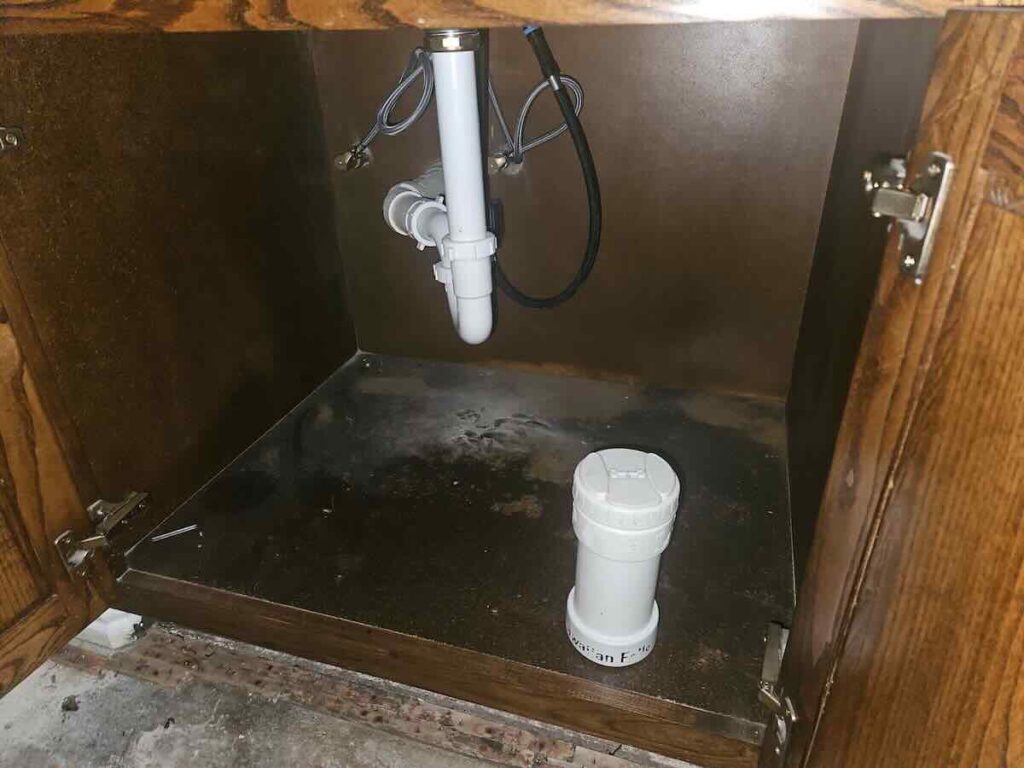
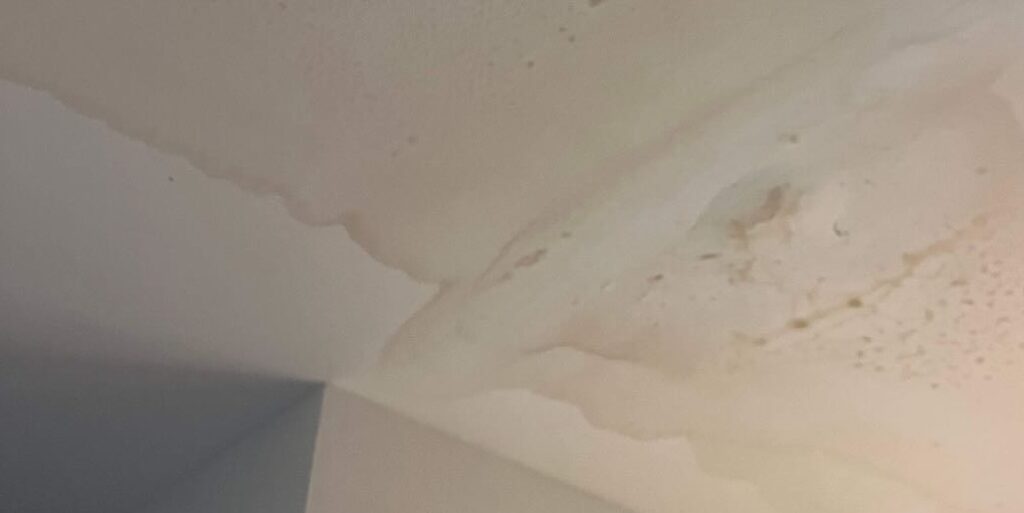
Signs You Should Not Ignore
- Standing water or soaked flooring
- Water coming through a ceiling or wall
- Wet carpet, pad, baseboards, drywall, or insulation
- Cabinets or trim starting to swell
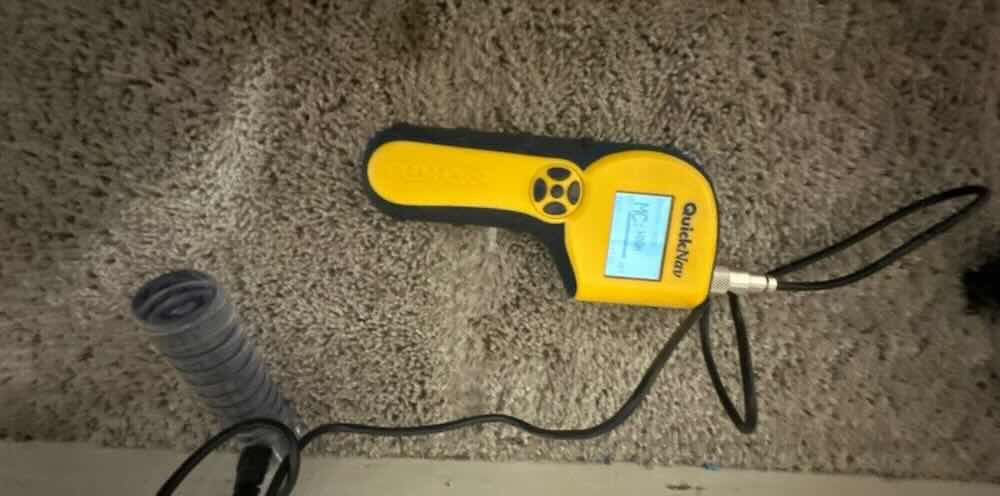
- Higher-than-normal moisture readings after a leak
- A musty smell after any water event
- Water that may have traveled somewhere you can’t see
If any of these are happening right now, don’t wait — call (972) 747-7734. Water damage gets more expensive every hour it sits. We answer 24/7 and we’re on-site in under two hours on most emergencies.
When to Make This Call
This is the call to make when water is actively moving, when flooring is wet, when it’s coming through a ceiling, when a supply line or appliance let go, or when a storm pushed water somewhere it shouldn’t be. You don’t need to know your “category of loss” or how far it spread — figuring that out is our job.
Here’s the honest part. The two most expensive mistakes we see homeowners make are waiting to see if it dries on its own, and mopping up the surface while water quietly sits inside the wall cavity. By the time the musty smell shows up, you usually have a mold problem stacked on top of a water problem. Call early. It is almost always cheaper.
During a hard freeze, we got a call about a house with water pouring out from under the front door and running into the street — the owners were out of town and a neighbor spotted it. We were on-site fast and started extraction and demolition the same visit. Speed is the whole game with water: the house that gets attention in the first hour costs a fraction of the one that waits until morning.
How We Handle a Water Loss
- Stop it and stabilize. First thing, we find and stop the source and make the area safe — power, slip hazards, anything actively getting worse.
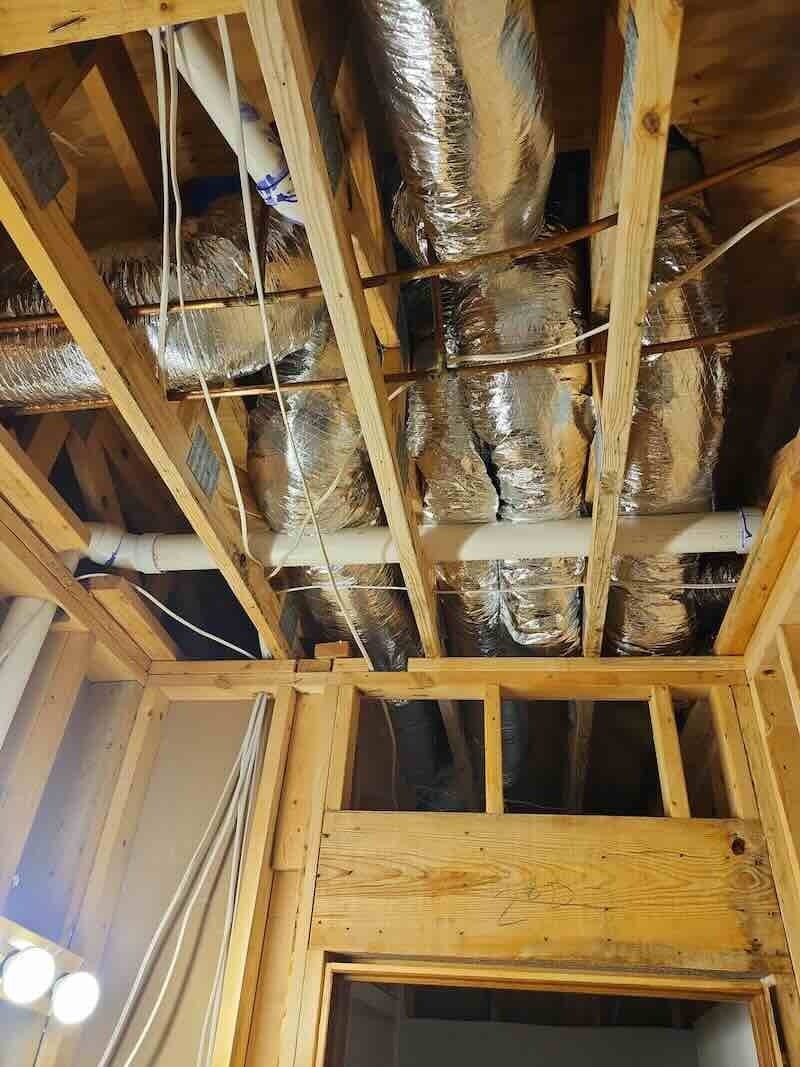
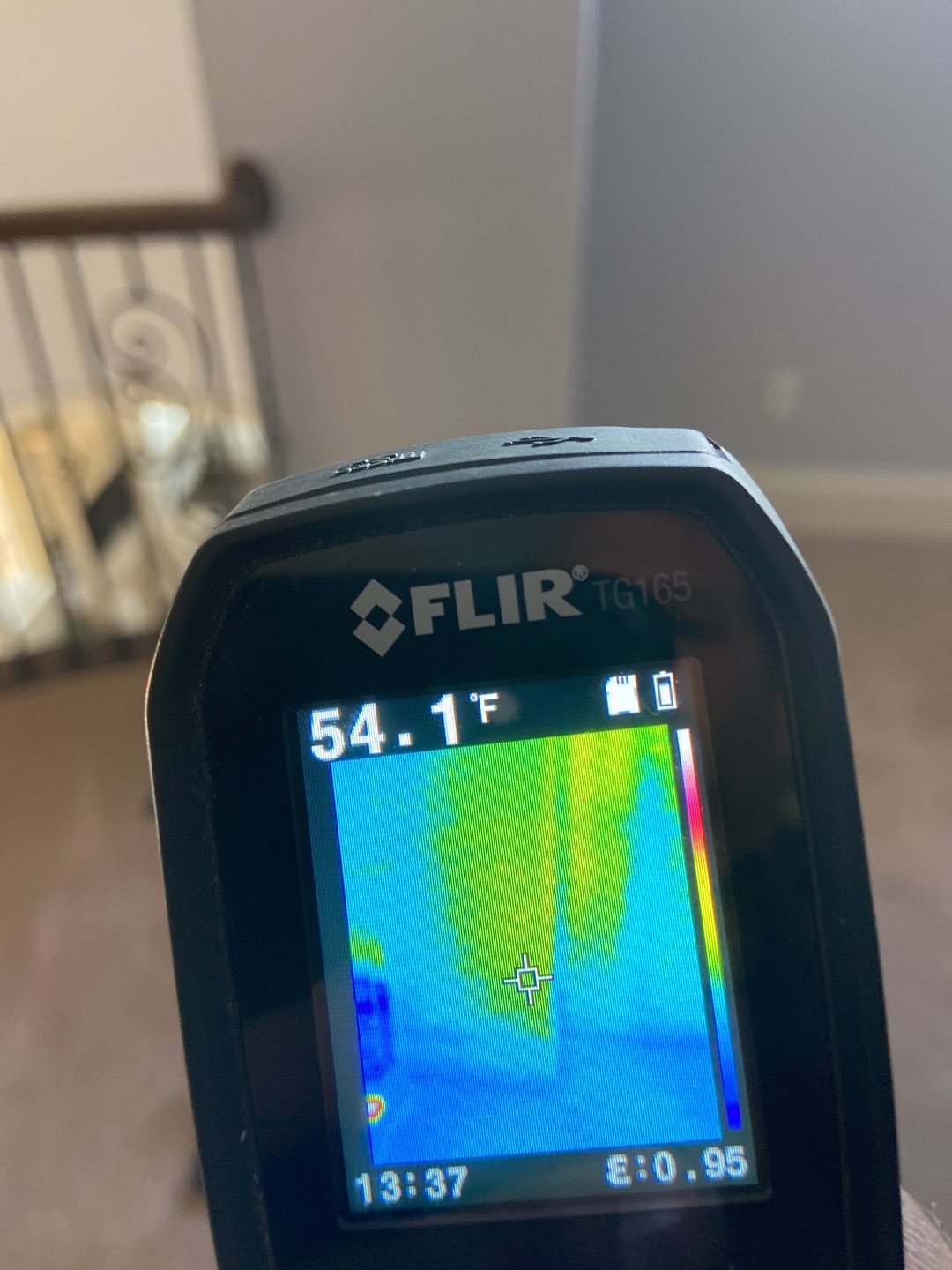
- Find where it went. Water travels along framing, under flooring, and into wall cavities. We use moisture meters and thermal imaging to map how far it actually spread, including the parts you can’t see.
- Dry what’s salvageable. Phoenix and X-Power air movers and commercial dehumidifiers, with daily psychrometric readings, drying every material that can be saved until it reads dry — not “looks dry.” Whatever can’t be saved comes out.
- Document for your claim. Photos, moisture maps, and a signed scope from day one, built the way adjusters need to see it.
- Repair and rebuild. Drywall, paint, flooring, trim, cabinetry — we put it back, so you’re not chasing a second contractor to finish what we started.
What Affects Water Damage Restoration Cost?
Every water loss is different — a contained supply-line leak and a whole-floor storm intrusion aren’t the same job. Cost comes down to how much water, how far it traveled, how long it sat, what materials it touched, and whether repairs and reconstruction are needed.
We’ll give you a clear scope before the work starts, and if it’s an insurance claim, we build the documentation to support it.
What’s Included
- Emergency water removal and extraction
- Structural drying and dehumidification
- HEPA-filtered air scrubbing
- Daily moisture readings until the structure reads dry
- Antimicrobial treatment where it’s needed
- Full repair and reconstruction afterward
- Roofing or plumbing repair when it caused the loss — under the same roof
No job too big. Homes are most of what we do, but the equipment and the playbook scale. During a hard freeze, a church under construction had its tankless water heater burst and flood the entire sanctuary, hallways, and multiple classrooms — we brought in a large generator, desiccant dehumidification, and a fuel service to keep it running, and set up hundreds of air movers throughout the building.
Your belongings, too. Through trusted specialty partners, we can handle the contents side as well — professional pack-out and secure off-site vault storage, contents and textile and rug cleaning, and electronics restoration — so what can be saved gets saved while we dry and rebuild the house.
Help With Your Insurance Claim
We work for you, not your insurance company — and we want to be clear about what that means, because a lot of contractors overpromise here. We’re not licensed public adjusters, so by law we can’t negotiate your settlement or pricing with your carrier; we can only discuss the scope of the work.
What we can do is real help: we document the loss and give you our paperwork in the format carriers generally expect, walk you through exactly what we did and what it costs, and help you get that documentation submitted. You stay in control of communicating with your insurer and collecting the payment — and if they drag their feet or try to lowball you, we can refer you to a reputable public adjuster who’s licensed to negotiate on your behalf. Financing is available if you need it — we can even finance your deductible.
Questions Property Owners Ask First
How quickly should water damage be addressed?
As soon as it is safe and practical. Water can continue moving into concealed materials, and delayed drying may increase demolition, repair needs, and the chance of microbial growth.
Can materials be dried without removing them?
Sometimes. The decision depends on the material, contamination level, saturation, access, condition, and whether drying can be verified.
How long does structural drying take?
Drying time varies with the materials, moisture load, access, equipment, temperature, humidity, and source conditions. Progress should be based on measurements rather than a fixed number of days.
Does Rainy Day repair the property after drying?
Rainy Day can coordinate and perform appropriate repairs and reconstruction after mitigation, depending on the approved scope and project requirements.
Should I file an insurance claim?
That is a policy and financial decision. Document the condition, understand the likely scope, review your deductible and policy, and contact your carrier when appropriate.
Don’t Wait to See If It Dries on Its Own
Project Evidence
See How Similar Problems Were Solved.
Review documented North Texas projects that show the visible condition, investigation, work performed, and finished result. Water damage projects will be highlighted as the library grows.
Project Evidence
Compare Similar North Texas Projects
Use the project library to review documented conditions, investigation, repair scope, and finished results.