Rainy Day Restoration found signs of water damage Greenville TX property owners should watch for during a rental inspection: visible mold growth, a musty odor, and elevated humidity readings in areas of concern. This report covers a completed inspection, not a remediation job. Our team documented conditions, explained what the findings mean, and pointed the landlord toward the correct next step. That step is independent sampling through a qualified assessor before any remediation work begins. No one has confirmed a cause at this stage, and our team has not performed remediation on this property.
What We Found in Greenville
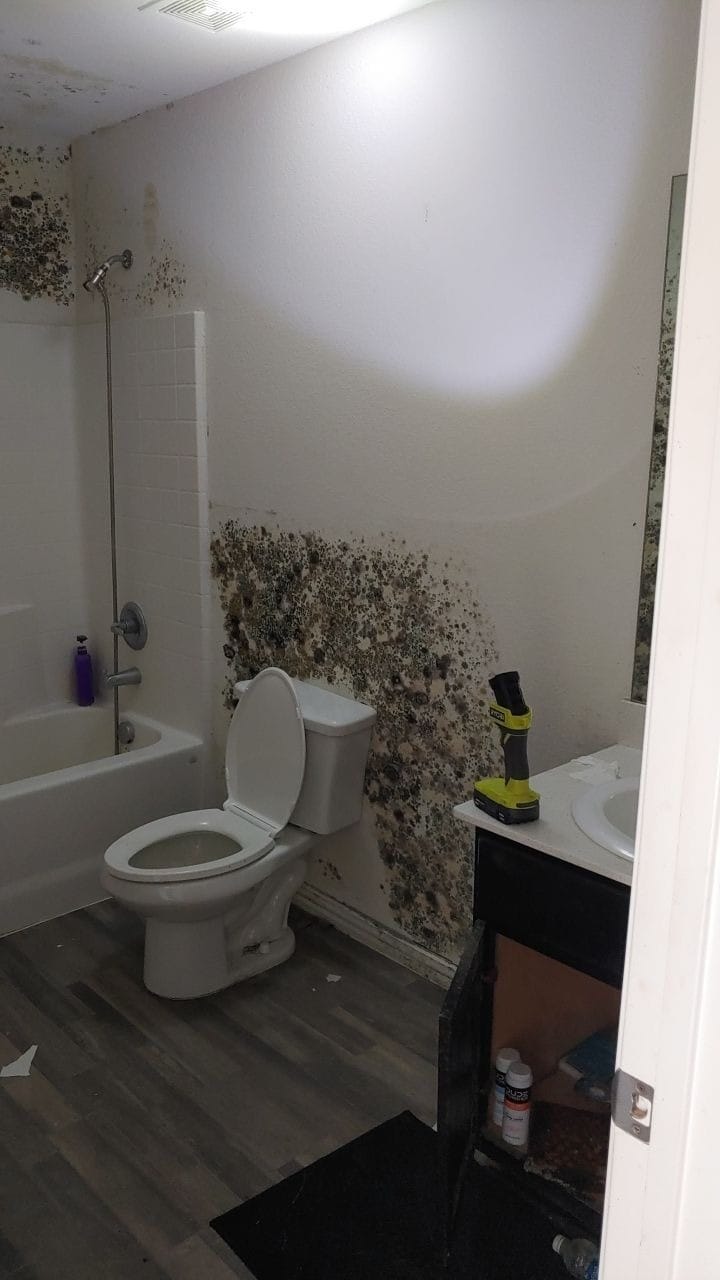
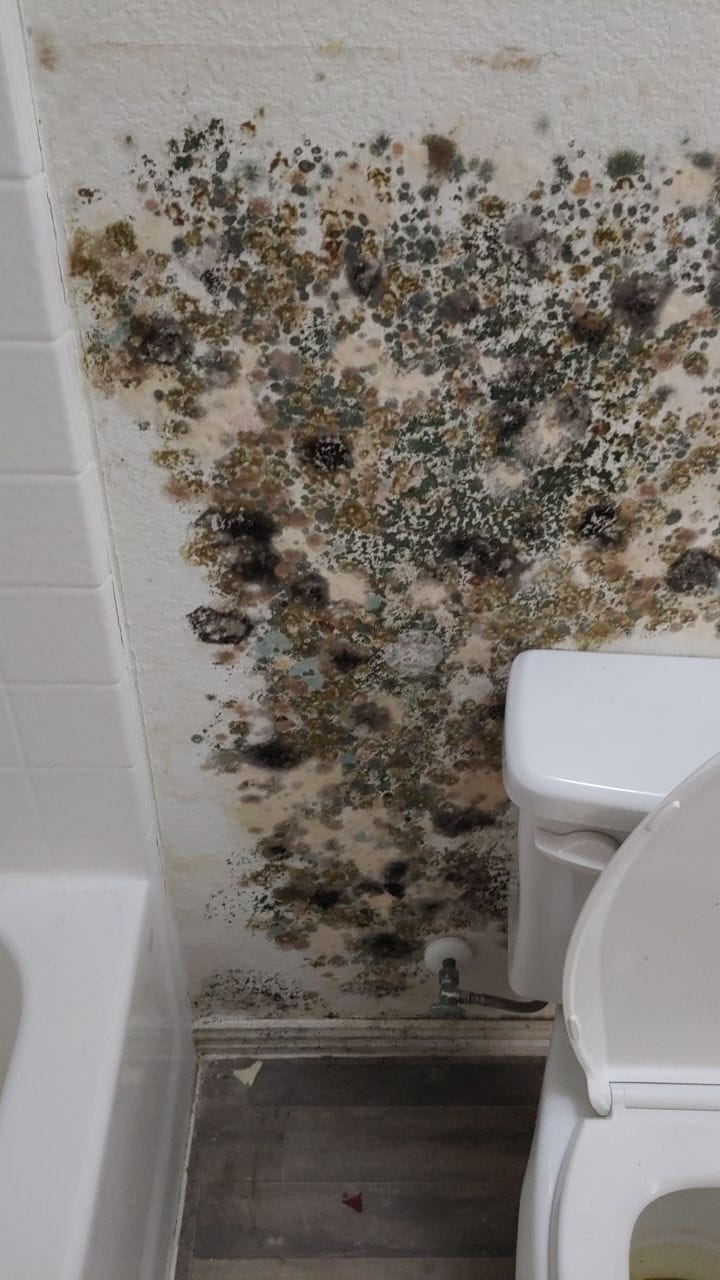
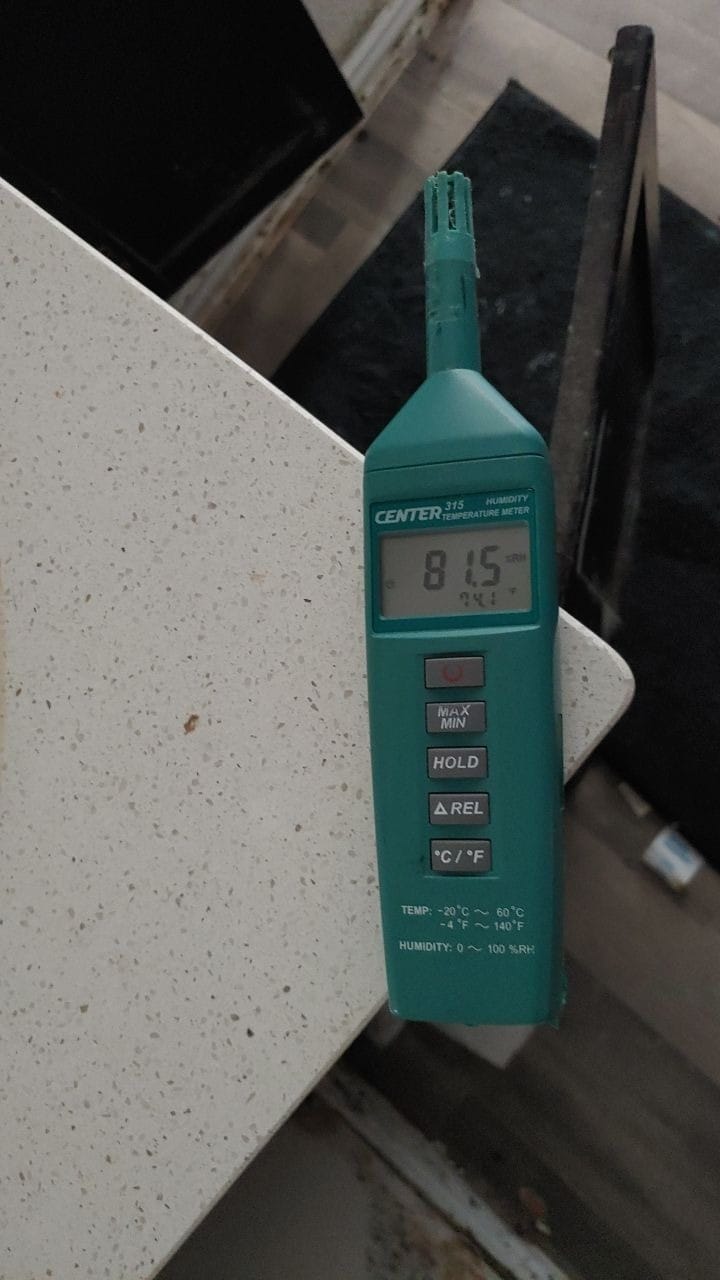
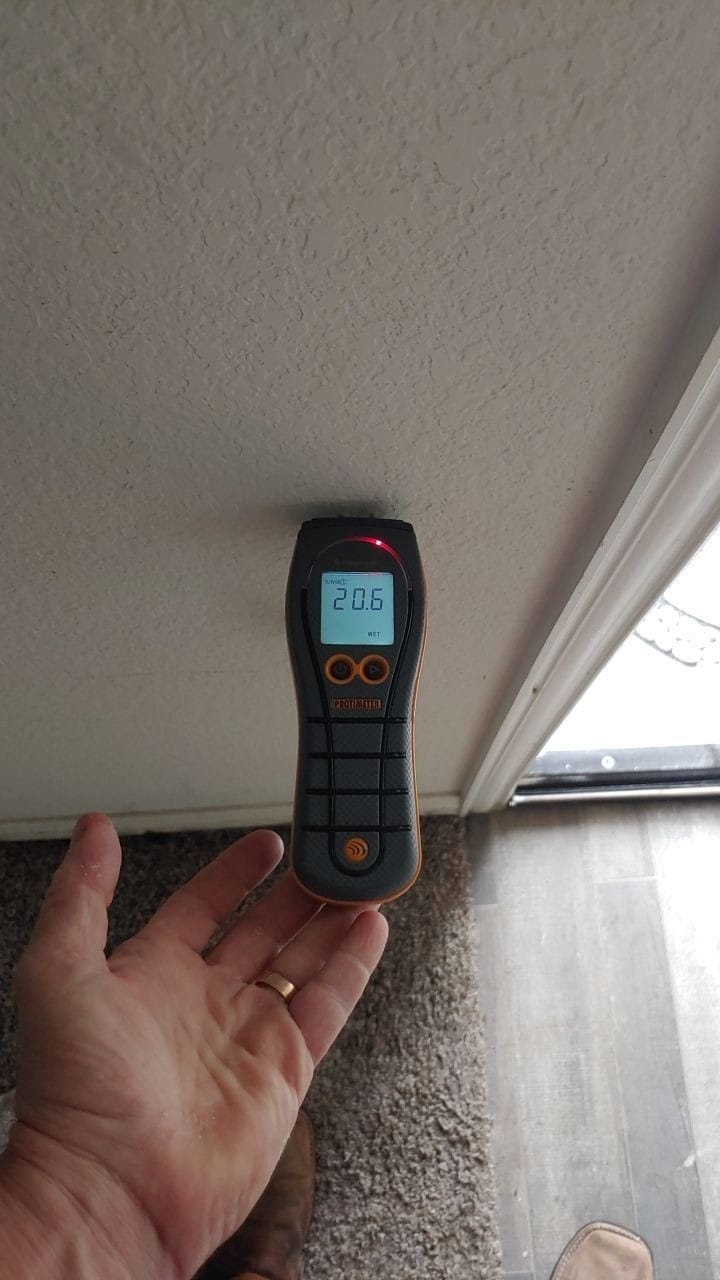
The property is a residential rental. The landlord contacted us after tenants reported a persistent musty smell. Our technician performed a moisture inspection using standard moisture-mapping tools and observed visible mold growth in the affected area. Humidity readings in that space came in higher than unaffected rooms. These are the facts we documented on site: a smell, visible growth, and moisture conditions that support both. We did not identify or assume a source, and this report does not assign one.
Rainy Day’s Role
Our family-owned company has served the area since 1999. Property owners often call us first when they notice something is wrong but don’t yet know the scope. In this case, our job stayed narrow and specific: inspect, document, and advise. Mold remediation decisions should rest on sampling results from an independent assessor, not on a visual assessment alone. Recommending that step is part of doing this work correctly, even when it means we don’t perform the next phase ourselves.
What We Did
Our technician, Josh Hopewell, conducted a moisture inspection of the affected area, noted the musty odor, and measured humidity levels. Based on those findings, we referred the landlord to MAC, an independent mold assessment consultant, for formal sampling. Sampling determines what type of growth is present and what remediation protocol, if any, applies. We did not remove any material or begin remediation, since that decision belongs after sampling, not before it.
What the Photos Show
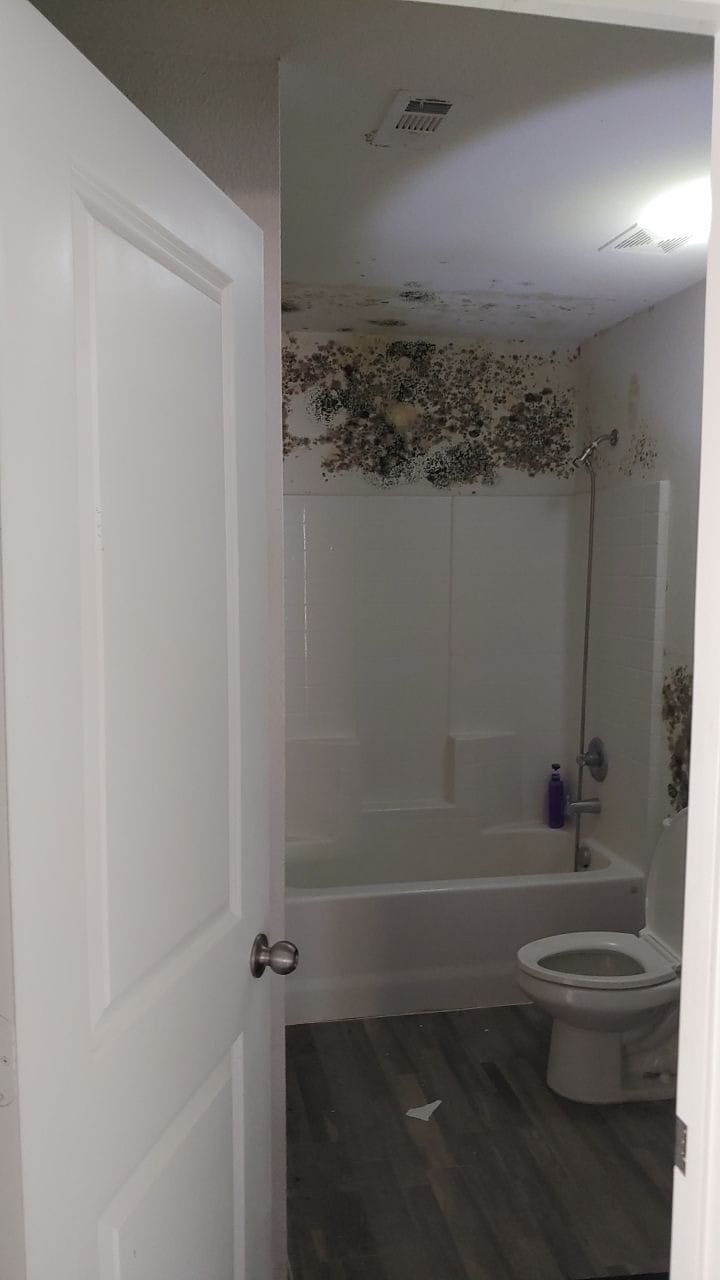
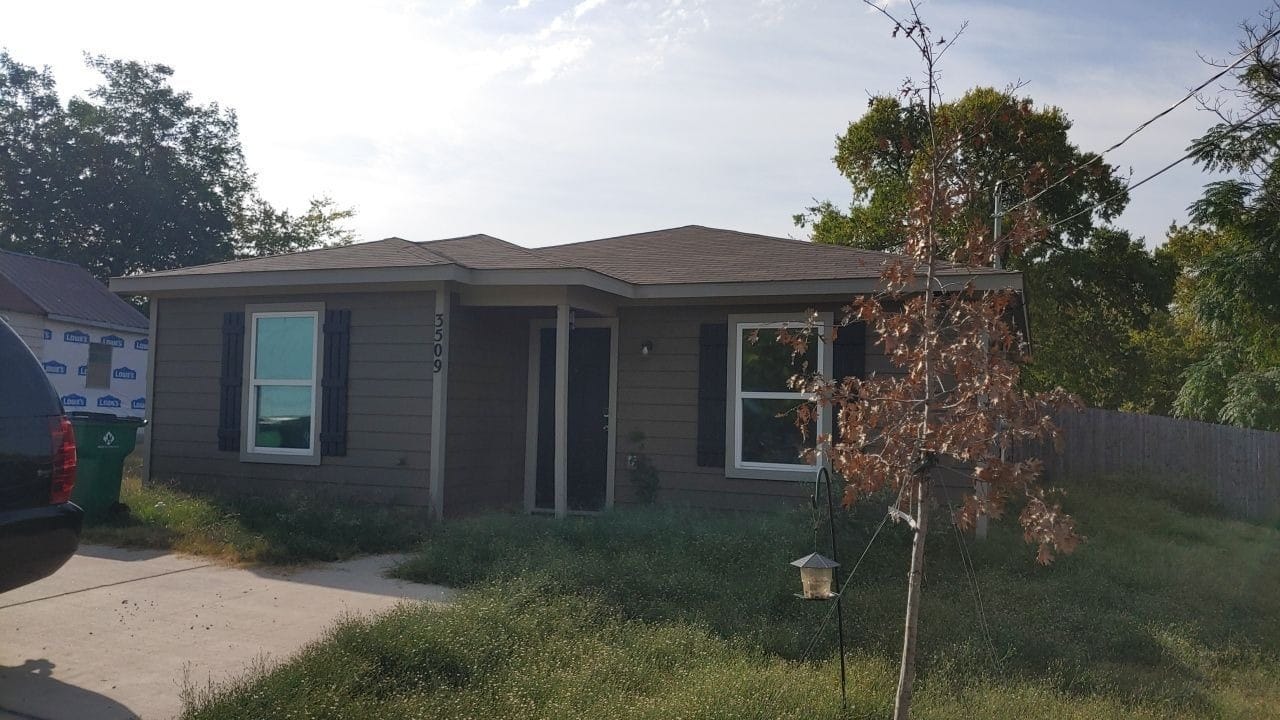
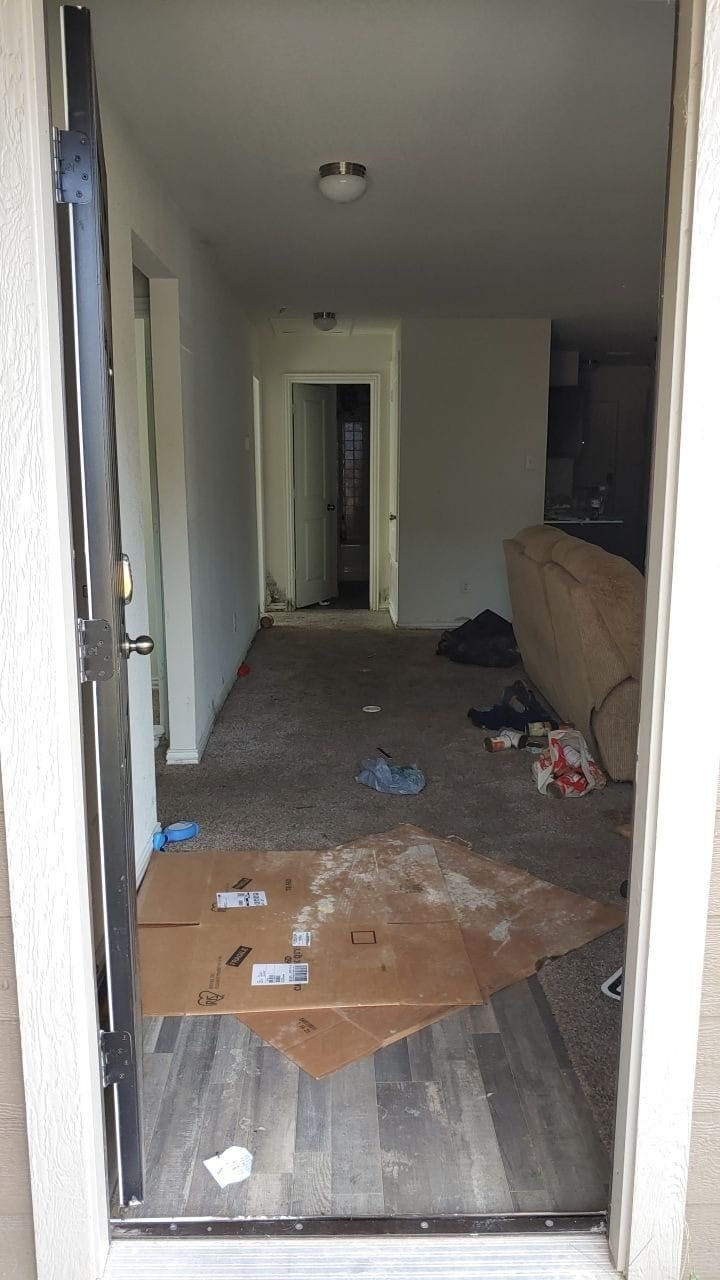
The photos from this visit document visible mold growth on affected surfaces and general conditions where we measured elevated humidity. They form a record of what our technician observed at the time of inspection. Both the landlord and the assessor who follows up with sampling can use these photos as a reference.
Why Mold Is Worth Taking Seriously
Musty odors and visible growth signal something worth acting on quickly. A landlord may not visit a rental daily, so changes can go unnoticed. Mold growth tends to tie back to moisture, and moisture left unaddressed can affect building materials over time. A proper sample-based assessment helps ensure the right scope of work before deciding on remediation, rather than guessing from what’s visible on the surface.
Result and Next Step
This job concluded with an inspection and a referral. The landlord now has documented findings, a sampling recommendation from our team, and a direct connection to an independent assessor. That assessor can determine next steps for remediation. We did not perform remediation work on this property, so readers shouldn’t infer any outcome beyond these inspection findings.
Guidance for Property Owners in Greenville and North Texas
If you manage a rental property in Greenville or anywhere in North Texas and a tenant reports a musty smell, treat it as worth investigating. Don’t dismiss it. A moisture inspection can confirm whether elevated humidity is present. Sampling from an independent assessor then tells you what you’re actually dealing with. Our company has served this community since 1999, and we believe in giving property owners accurate information at every stage. Sometimes that means recommending someone else’s report before any work begins.
Related Guidance
For more on how mold-related jobs typically proceed once sampling confirms a path forward, see our mold removal service page. If you’re noticing a musty smell alongside other signs like a ceiling stain, that combination deserves a closer look. When you’re ready to talk through what you’re seeing at your property, you can get help from our team.
Frequently Asked Questions
Did Rainy Day Restoration Perform Mold Remediation at This Property?
No. This job was an inspection only. We documented moisture conditions, visible mold growth, and odor, then referred the landlord to an independent assessor (MAC) for sampling before any remediation decisions are made.
Why Didn’t Remediation Start Right Away After Visible Mold Turned Up?
Visible mold alone doesn’t tell you what type of growth is present or the full scope needed for remediation. Sampling from an independent assessor provides that information, so remediation can follow a correct scope rather than a visual assessment alone.
What Did This Water Damage Greenville TX Inspection Actually Find?
Our technician documented visible mold growth, a musty odor, and elevated humidity readings in the affected area of the rental property. No one determined or assumed a cause as part of this inspection.
What Should a Landlord Do After a Report Like This One?
The recommended next step is independent sampling through a qualified assessor. Sampling results determine the appropriate remediation protocol, which is why we referred this property owner to MAC rather than proceeding directly to remediation.