
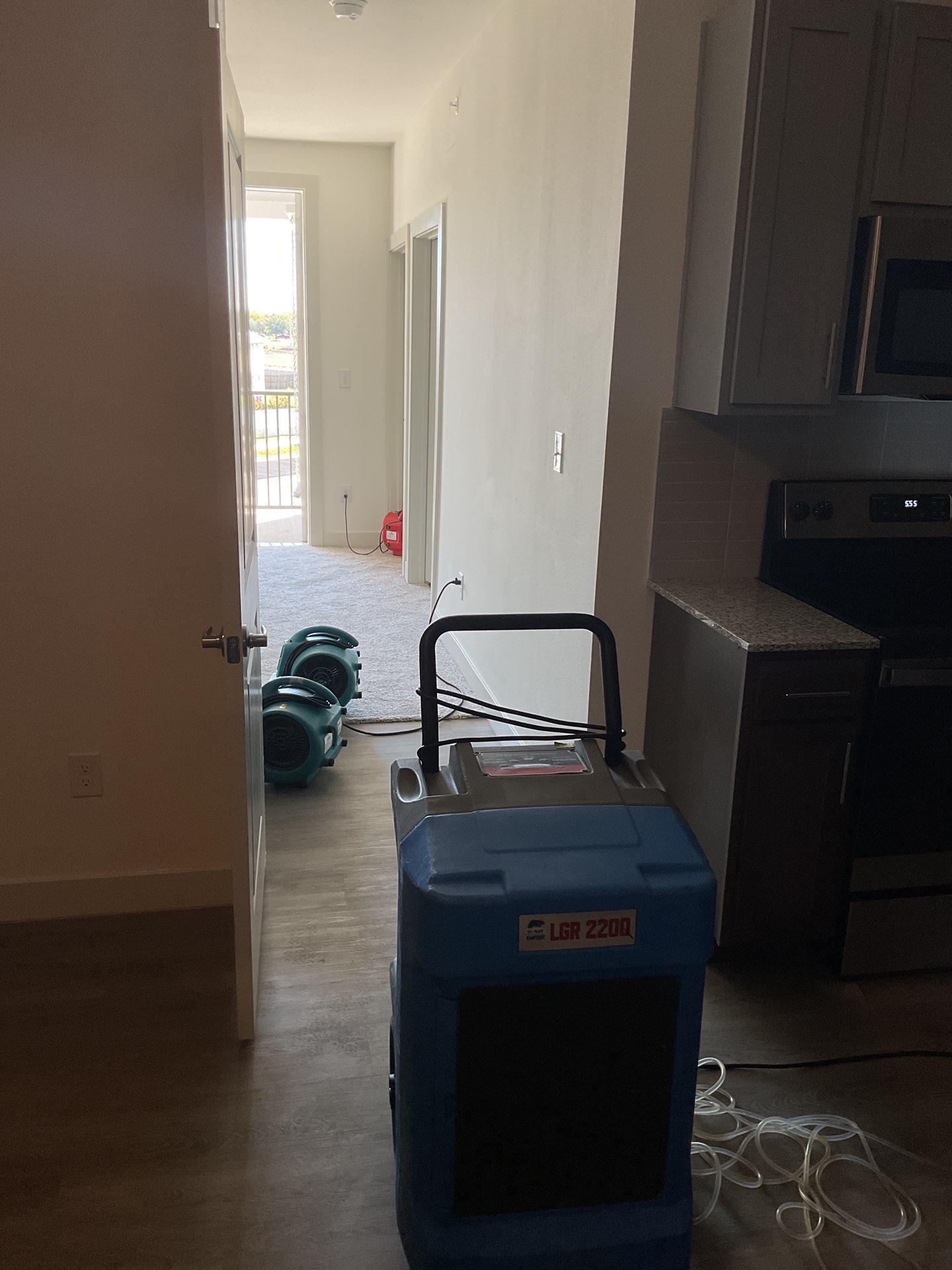
Apartment water damage Waxahachie TX projects come with a complication a single-family home does not have: neighbors. Water rarely respects unit boundaries. A leak in one unit can travel to the ones beside and below it. A slow response affects more than one household. This Waxahachie project shows how crews handle water mitigation in a multi-unit setting. Finding hidden moisture quickly and drying efficiently protects both the affected unit and the people around it.
Finding the moisture fast
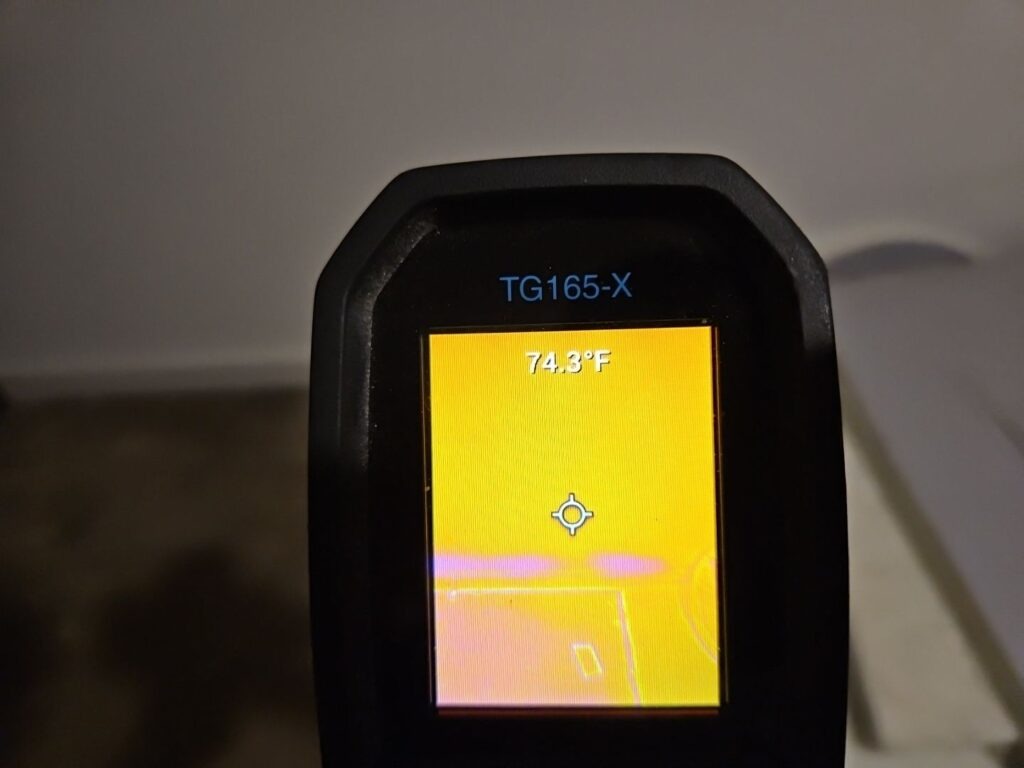
At this Waxahachie apartment, our team used thermal imaging to scan the interior for moisture. In a multi-unit building, that speed matters even more than usual. Water that travels into shared walls and floors needs discovery before it reaches an adjacent unit. Thermal imaging highlights the cooler patterns that suggest hidden moisture. The crew then confirms and maps those areas so the drying covers the full reach of the water rather than just the visibly wet carpet.
Extract, then dry
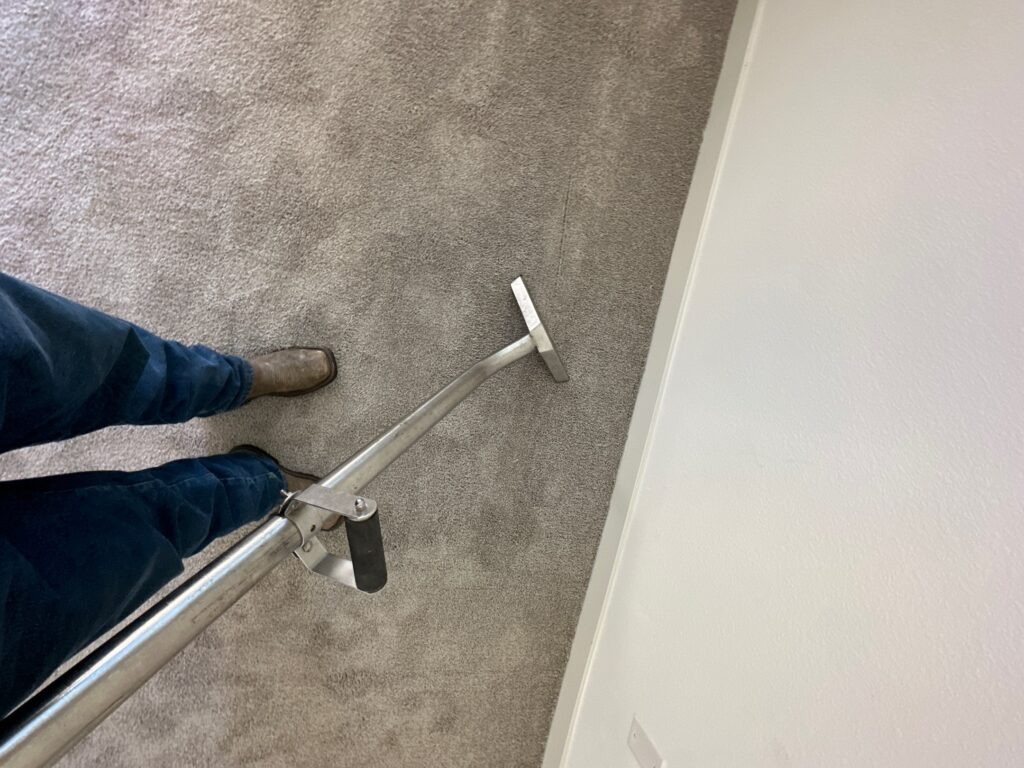
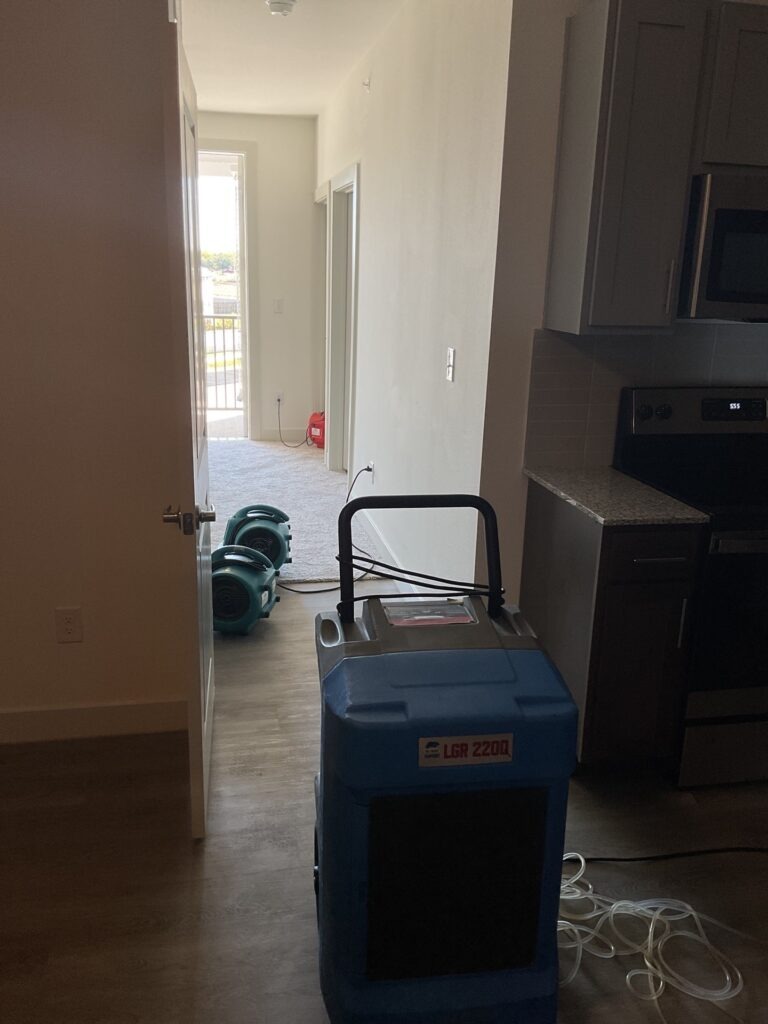
Our team addressed the affected flooring with carpet extraction to pull the standing water out quickly. After that, they set up a dehumidifier and air movers to dry the space. This extract-then-dry sequence saves flooring and stops the moisture from spreading. In an apartment, efficient drying equipment placement also matters. The work has to be effective without taking over common hallways any longer than necessary.
Respecting privacy in a shared building
Working in occupied multi-unit housing calls for discretion. Our team documented this project carefully. They show the restoration work without exposing private unit identifiers or residents’ information. That attention to privacy is part of doing the job professionally in a setting where multiple households share the same building.
Result and next step
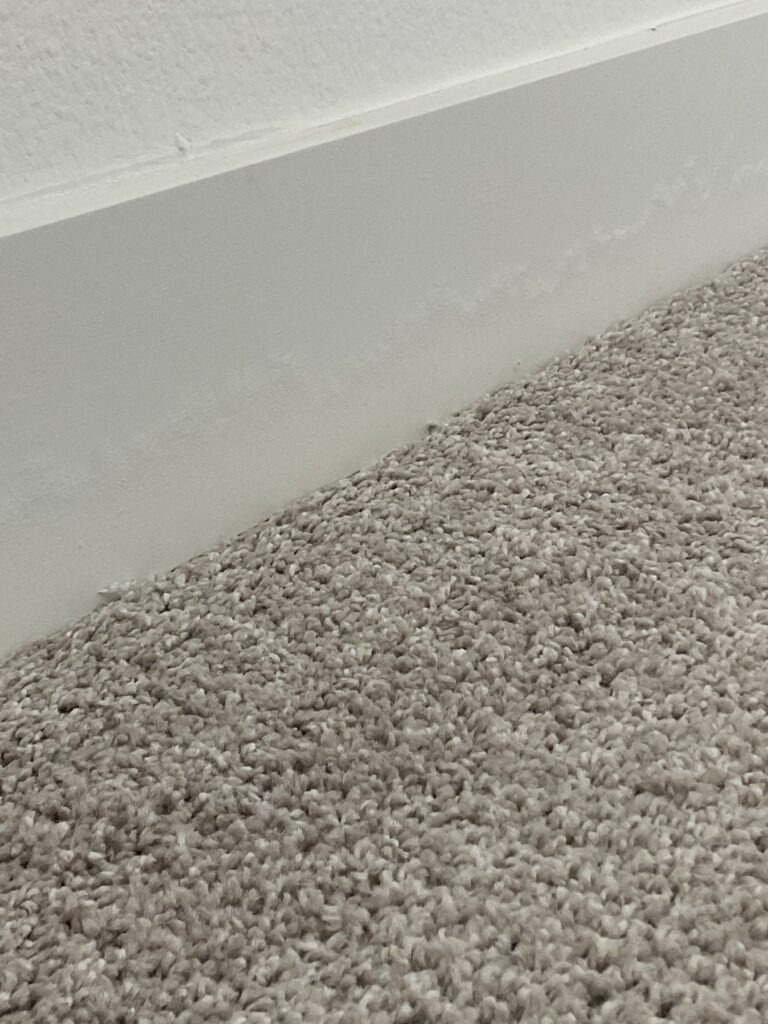
This apartment water damage Waxahachie TX record documents the thermal moisture inspection, the carpet extraction, the drying equipment setup, and the affected carpet and baseboard area at this Waxahachie apartment. If water has affected a unit in a multi-family building, the right next step is a fast inspection. That inspection should map the moisture and lead to a drying plan that protects the neighboring units as well as the one where the water started.
Guidance for property managers and residents in Waxahachie and North Texas
In apartments and condos, treat any water event as time-sensitive and shared. Report leaks quickly, and have the affected unit inspected with moisture detection. This finds hidden water in shared walls and floors before it reaches a neighbor. Fast, documented mitigation protects the building, limits the number of units involved, and keeps a small leak from becoming everyone’s problem.
Related guidance
Learn more about our water damage restoration service, or get help now for a multi-unit water response.