This report covers a completed mold remediation in Prosper project at a residential property in Prosper, Texas. Here is the direct answer: our team confirmed elevated moisture and visible mold growth. We identified the associated water source. Then we followed a Mold Assessment Consultant (MAC) protocol to contain the area, remove affected materials, and treat remaining surfaces with an antimicrobial. The project is finished on our end. The property now awaits third-party clearance testing before the space can be considered ready for rebuild or reoccupation.
What we found in Prosper
Our inspection began with a moisture survey of the affected area. Using moisture meters and visual inspection, we confirmed elevated readings in building materials. We also identified visible mold growth on surfaces nearby. We identified the water source contributing to the conditions. We did not establish a documented cause for the original moisture event as part of this scope. So this report describes what we measured and observed rather than assigning a cause.
Rainy Day’s role
Rainy Day Restoration & Roofing has worked on North Texas homes since 1999 as a family-owned company. Our technicians hold IICRC certification. On this job, our role was to assess conditions, contain the affected area to prevent cross-contamination, remove materials that we could not safely clean, and prepare the space for the clearance testing that follows remediation work. We work under license RCO1416. We carried out this project under a MAC protocol, which sets the containment, removal, and cleaning steps a licensed remediation contractor follows in Texas.
The mold remediation in Prosper, step by step
Work began with the MAC protocol as the governing framework for the job. We established physical containment to isolate the work area from the rest of the home. Then we ran HEPA air scrubbers to manage airborne particulates during the remediation. We removed and bagged for disposal the affected building materials that we could not salvage. We HEPA vacuumed and wiped down remaining surfaces within the containment. Finally, we applied an antimicrobial solution to treated surfaces as the last step of the on-site work.
What the photos show
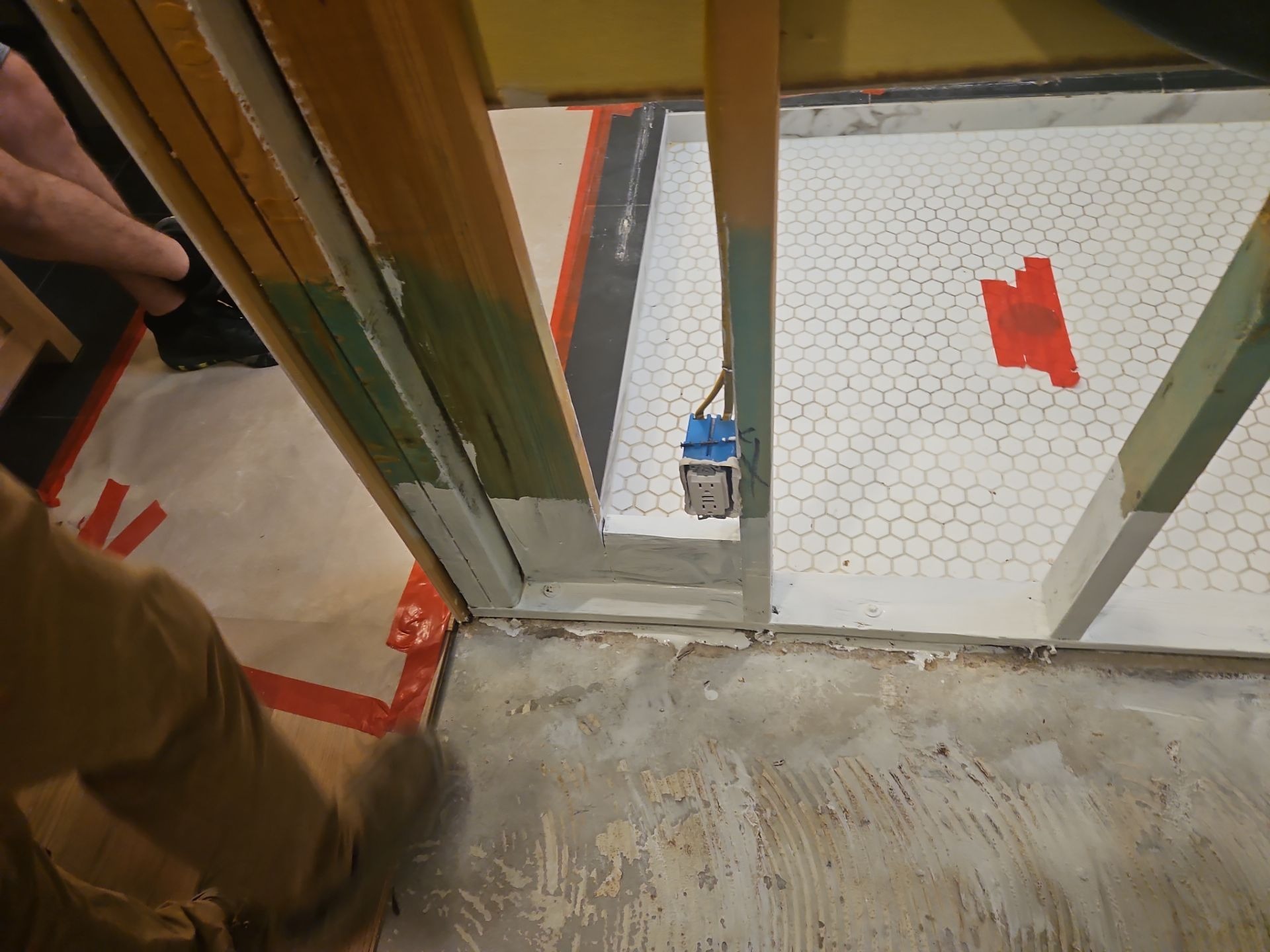
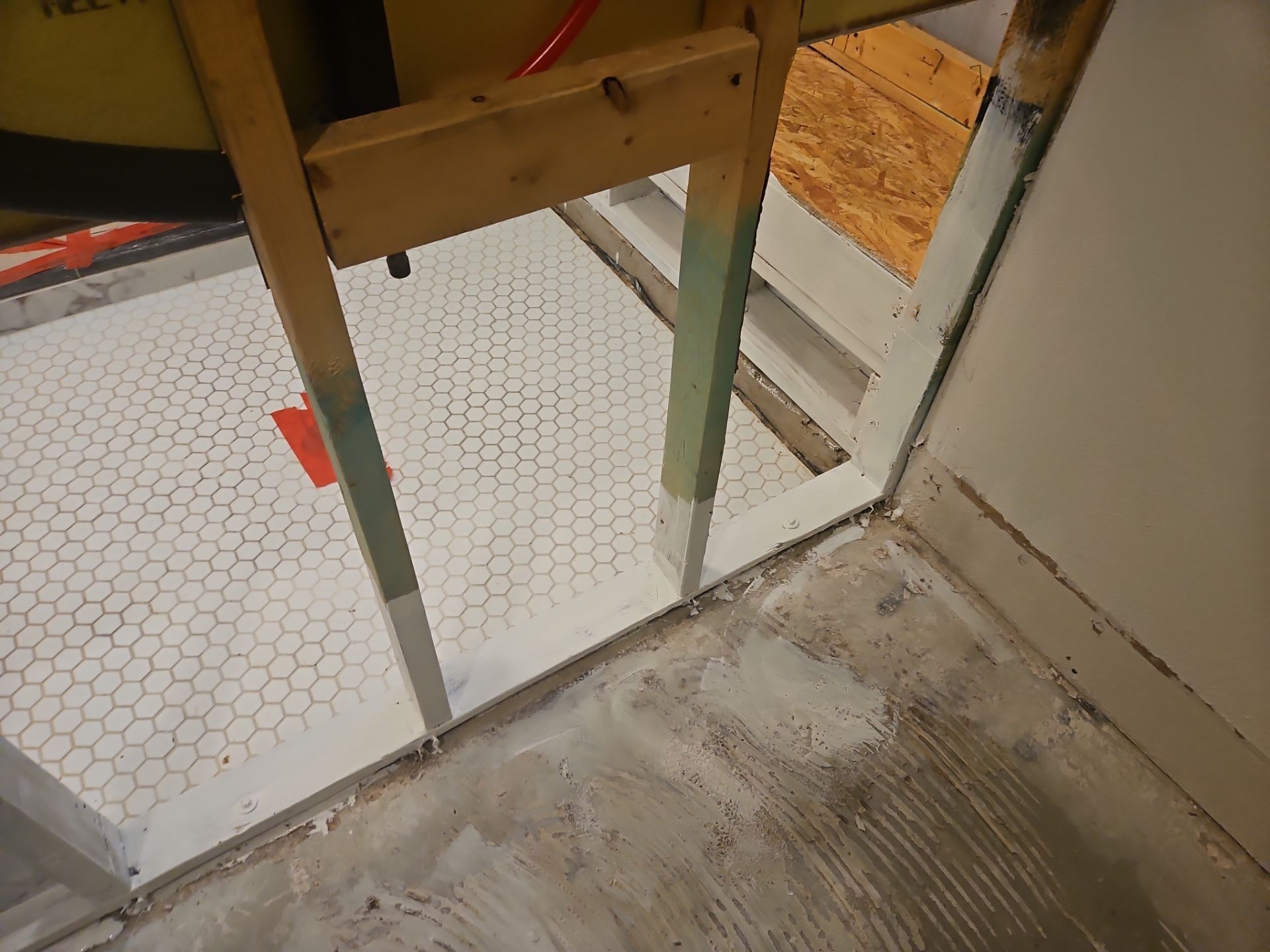
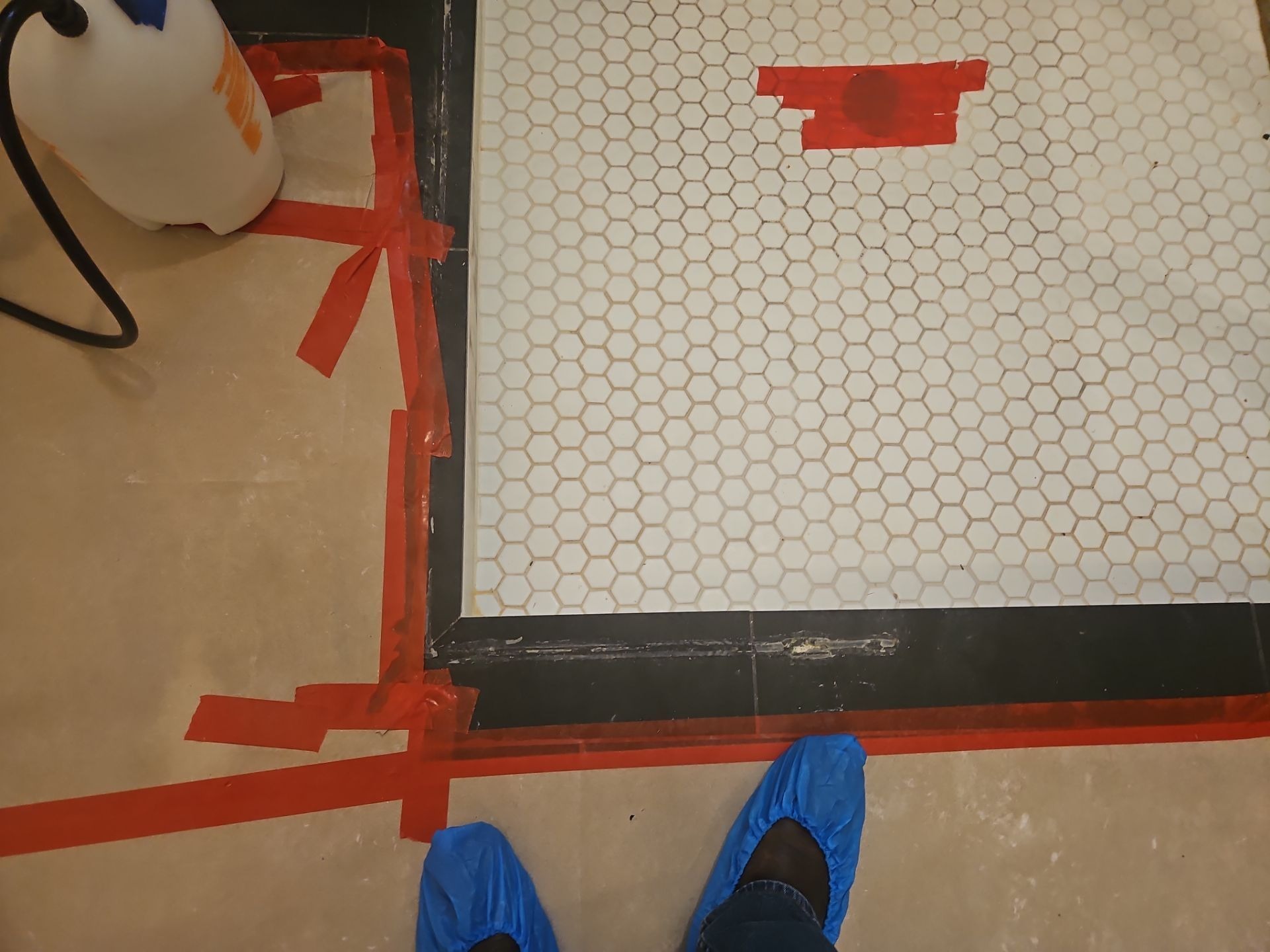
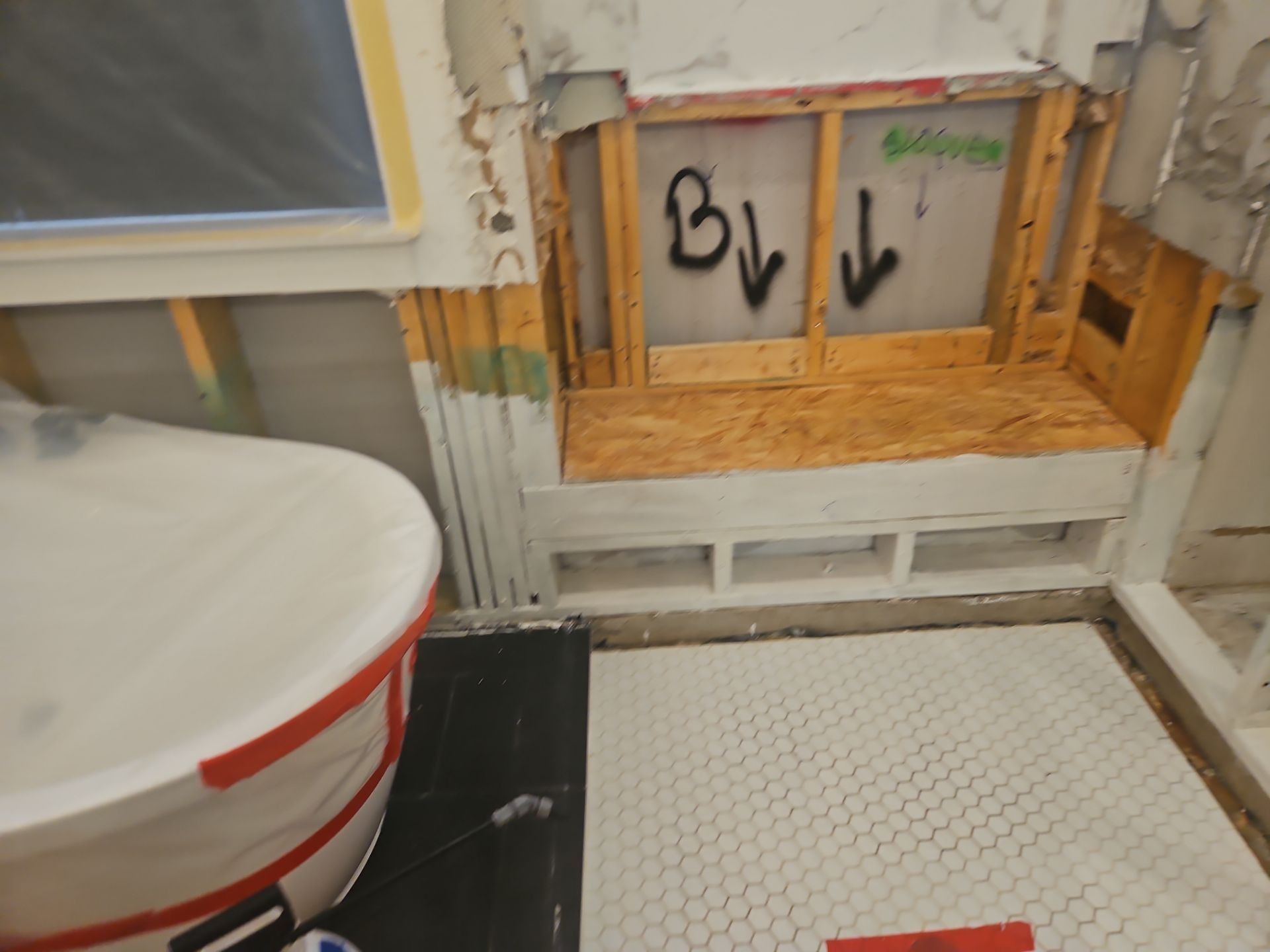
The four photos from this job document the containment setup, the condition of materials before removal, the affected area after materials were removed, and the surfaces following HEPA vacuuming and antimicrobial application. Together they show the progression from identification through the completed remediation steps, ahead of clearance testing.
Why mold growth is worth taking seriously
Visible mold growth signals that moisture has been present in a building assembly long enough for it to take hold. Left unaddressed, it can spread to additional materials and affect indoor air quality. Growth patterns and hidden moisture aren’t always obvious from a casual look. So a moisture inspection paired with a defined remediation protocol gives property owners a documented, methodical way to address what they find rather than guessing at the extent of the problem.
Result and next step
This mold remediation in Prosper reached completion with the containment, material removal, HEPA cleaning, and antimicrobial application steps outlined in the MAC protocol carried out. The property currently awaits clearance testing, which is the independent step that confirms whether remediation goals have been met. We have not claimed a final outcome beyond this point because that determination belongs to the clearance process.
Guidance for property owners in Prosper and North Texas
If you notice a musty odor, visible discoloration, or a known water intrusion in your home, a moisture inspection is the right first step before deciding on next actions. Homes across North Texas face similar conditions after plumbing leaks, roof issues, or slow-developing moisture problems in crawl spaces and wall cavities. Rainy Day Restoration & Roofing works as one company from first call through rebuild. This means the same team that assesses conditions can also carry out remediation and coordinate what comes after.
Related guidance
For homeowners dealing with similar conditions, these resources may help: our mold removal services, guidance on ceiling stains as an early warning sign of hidden moisture, and how to get help starting an assessment for your property.
Related reading: The Mold Remediation Checklist Every McKinney, TX Property Owner Should Run Before It Spreads.
Frequently asked questions
What does ‘awaiting clearance’ mean after mold remediation in Prosper?
It means the remediation steps under the MAC protocol are complete. An independent clearance test has not yet confirmed the results. A separate assessor typically performs clearance testing to verify the space meets acceptable conditions.
Did Rainy Day identify what caused the mold in this Prosper home?
Our team identified the water source associated with the moisture and mold conditions found. We did not document a root cause for the original event as part of this scope. This report describes what we measured and observed.
What is a MAC protocol in mold remediation?
MAC stands for Mold Assessment Consultant. A MAC protocol is a written plan, often required in Texas. It outlines the specific containment, removal, and cleaning steps a licensed remediation contractor must follow for a given job.
Why is containment used during mold removal?
Containment isolates the affected area from the rest of the home. This keeps disturbed materials and airborne particulates during removal from spreading to unaffected spaces. Crews pair it with HEPA air scrubbers to help manage air quality during the work.