Our team completed a water damage mitigation in Sachse job after a kitchen plumbing leak saturated the flooring and subfloor. Crews removed the wet materials, dried the structure with monitored equipment, and confirmed dry-standard readings with a hammer probe before closing the job. The homeowner noticed wet flooring near the kitchen and called right away. That early call kept moisture from spreading further into surrounding rooms. What followed was a documented, step-by-step drying process rather than guesswork. We mapped the moisture, controlled the demolition of materials that couldn’t be saved, and verified the results at the end. That verification proved the structure was truly dry, not just dry-looking.
What we found in Sachse
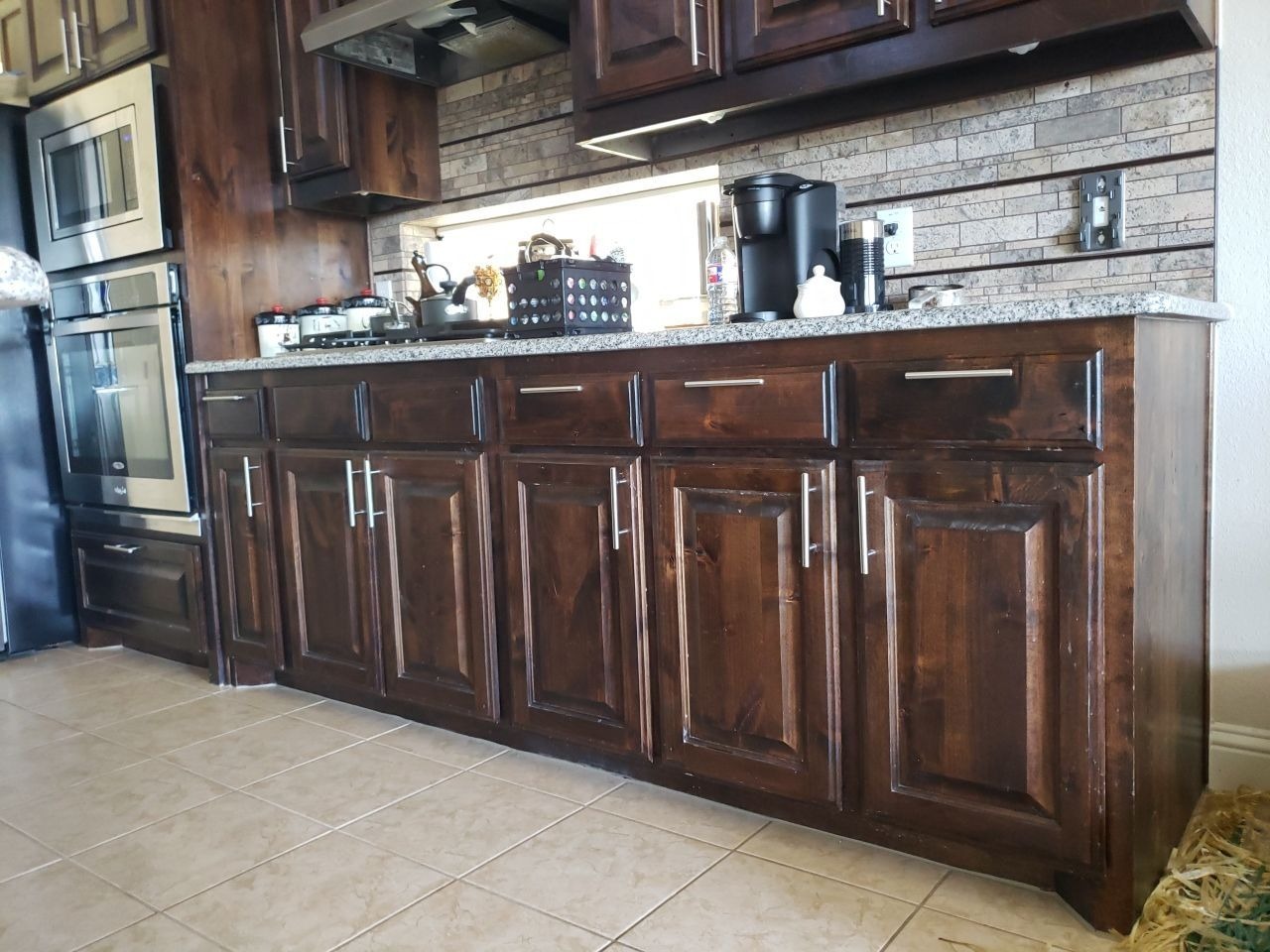
Our team arrived at this Sachse home and checked moisture levels right away. Moisture meters showed elevated readings in the kitchen flooring and subfloor. We documented a plumbing leak in the kitchen as the source. Wet flooring felt obvious to the touch, but the meters told the fuller story. Moisture had traveled into the subfloor, an area that looks fine on the surface. It holds water long after a spill or leak stops.
Rainy Day’s role
Rainy Day Restoration & Roofing has worked in North Texas as a family-owned company since 1999. We’ve built our process around being one company from first call through rebuild. Our technicians hold IICRC certification, and we operate under Texas license RCO1416. On this job, our crew handled everything from the first moisture readings to the final dry-standard check. The homeowner never had to juggle separate contractors.
The water damage mitigation in Sachse, step by step
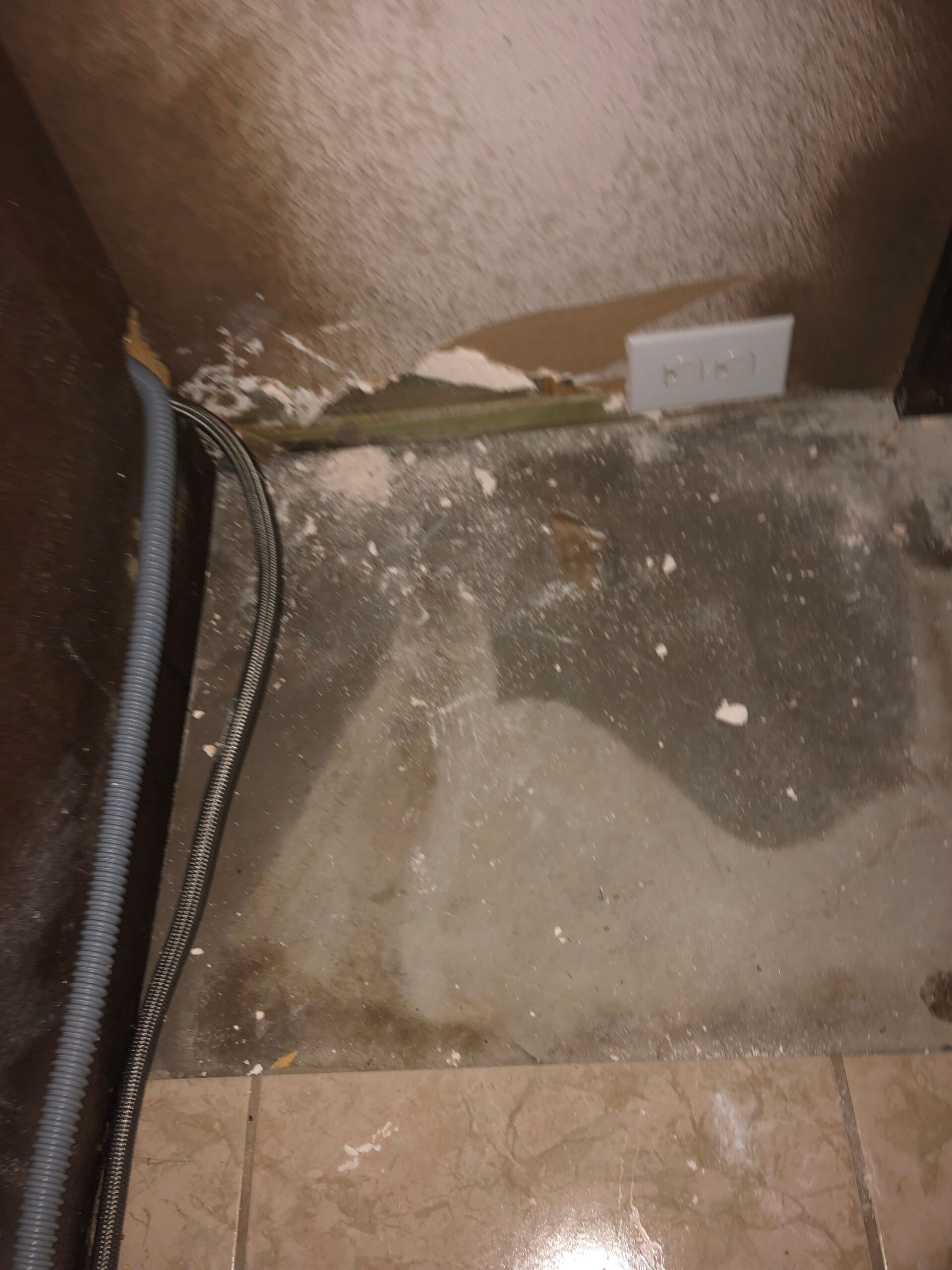
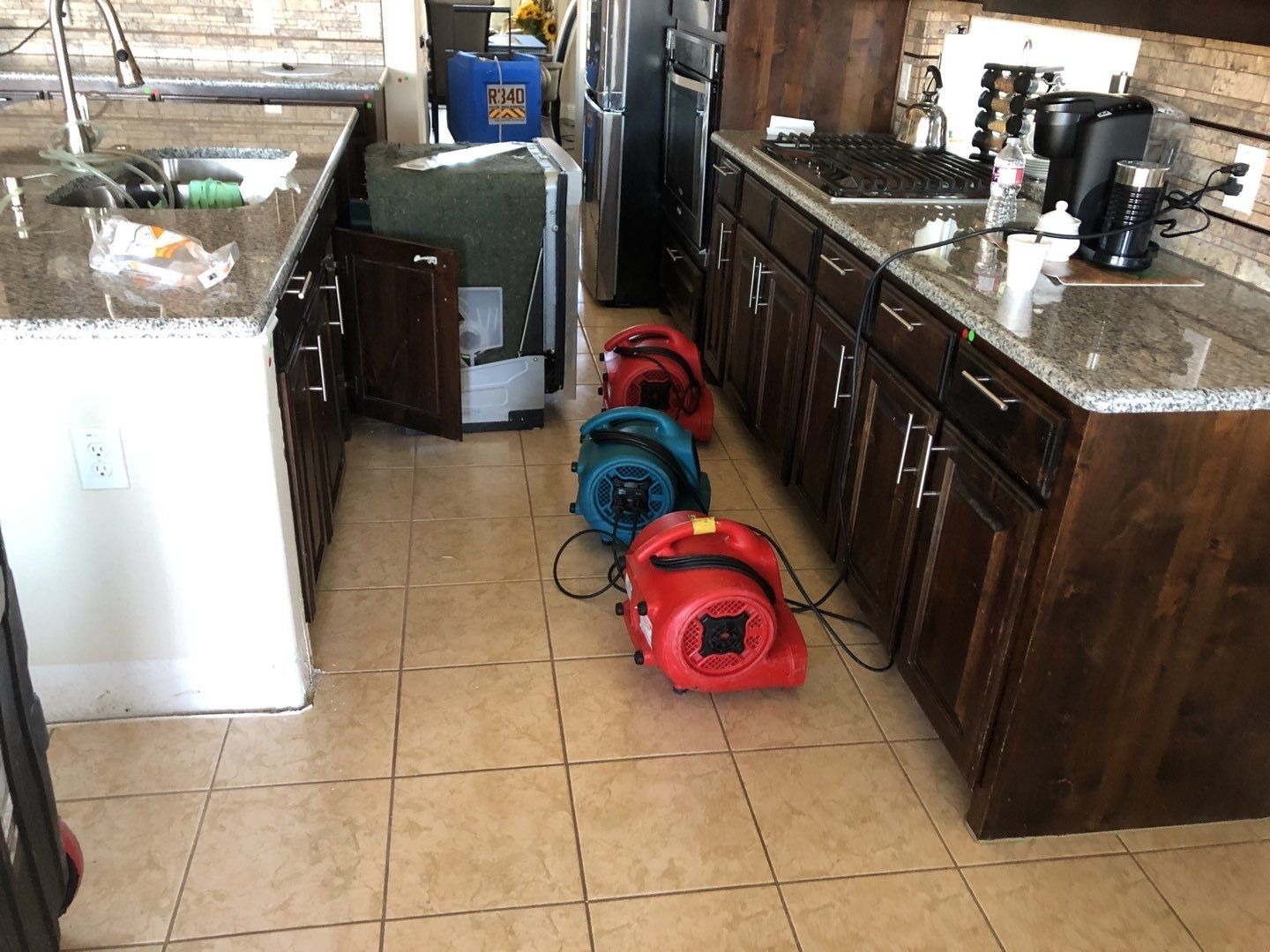
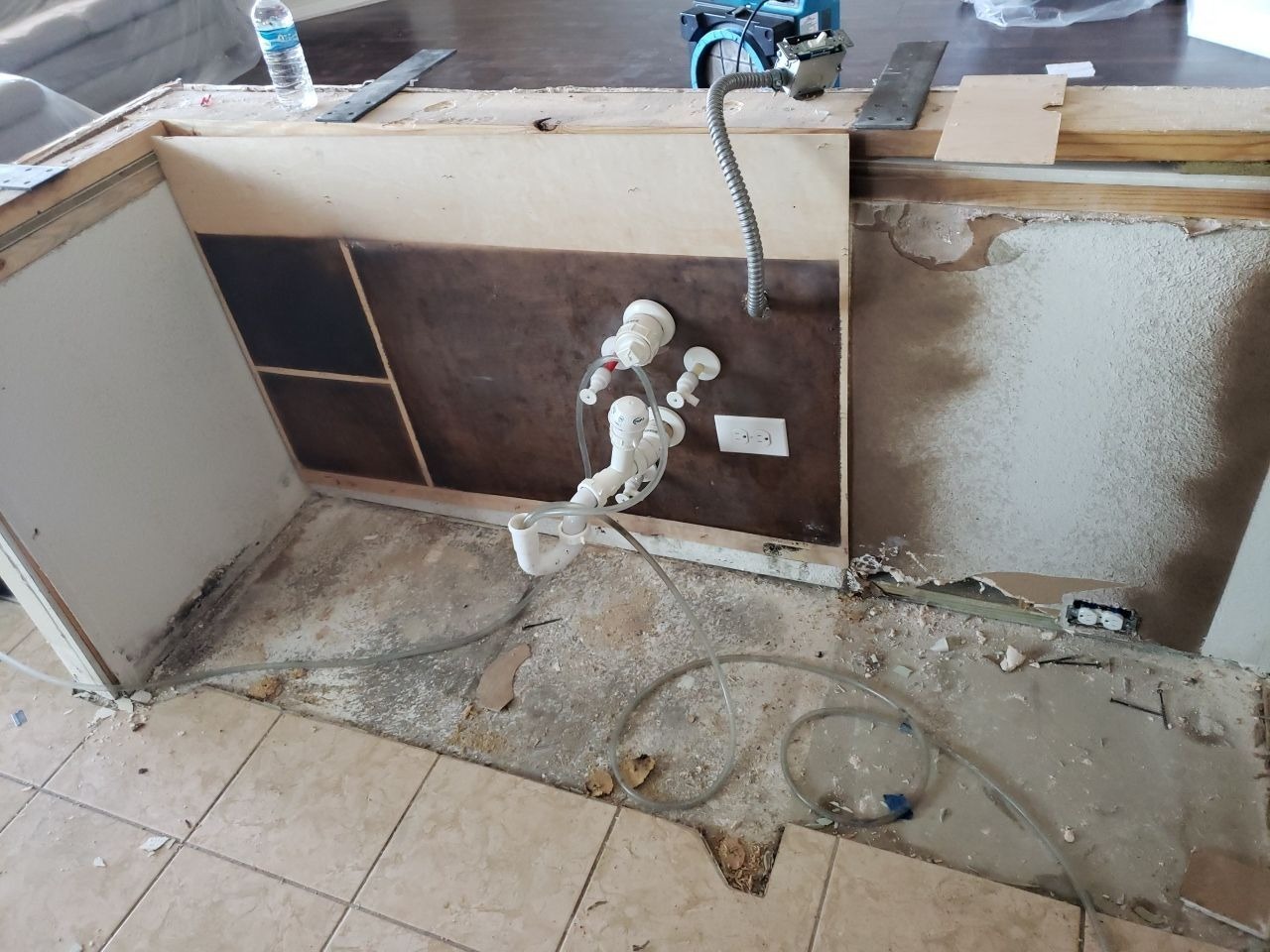
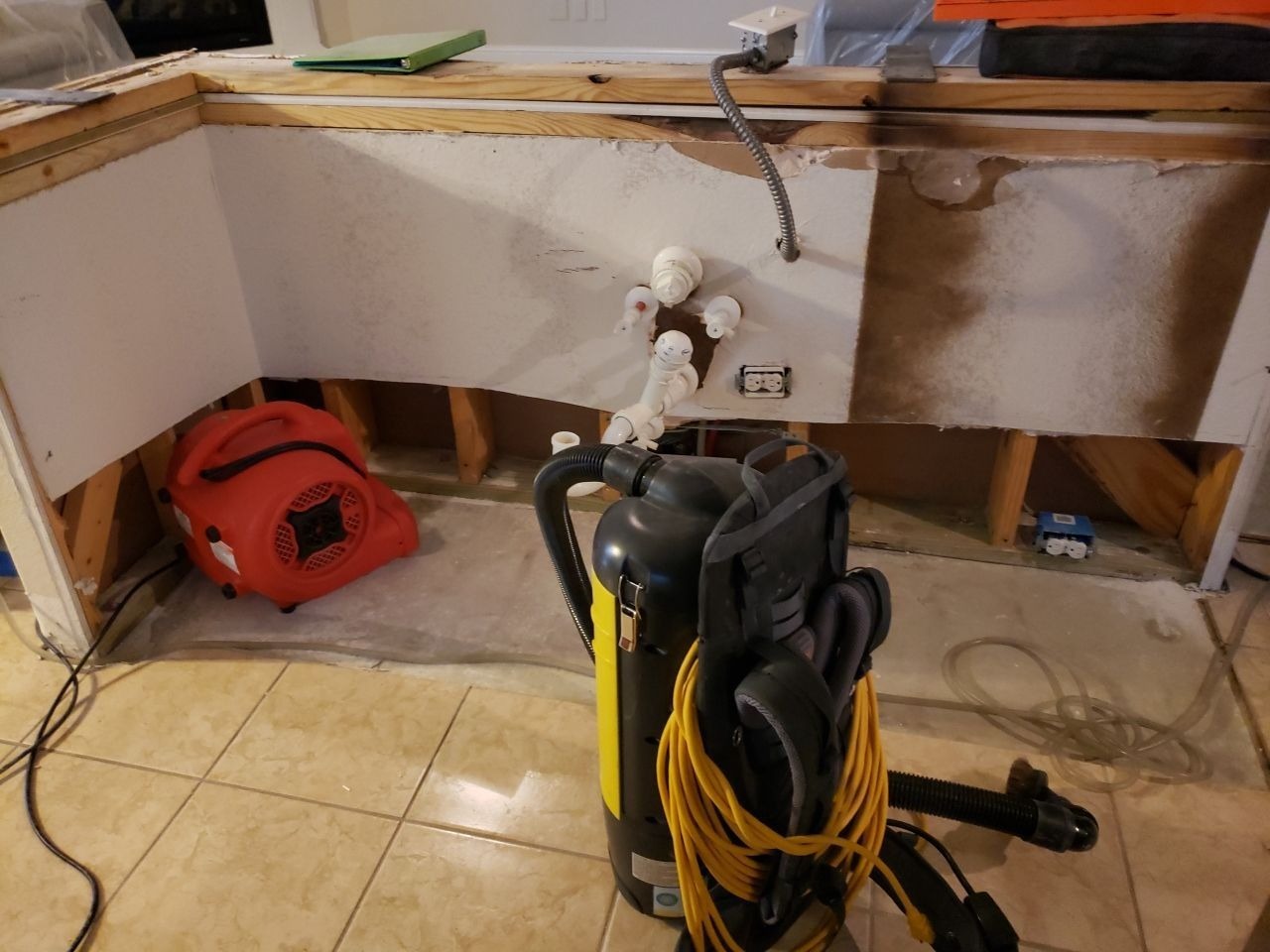
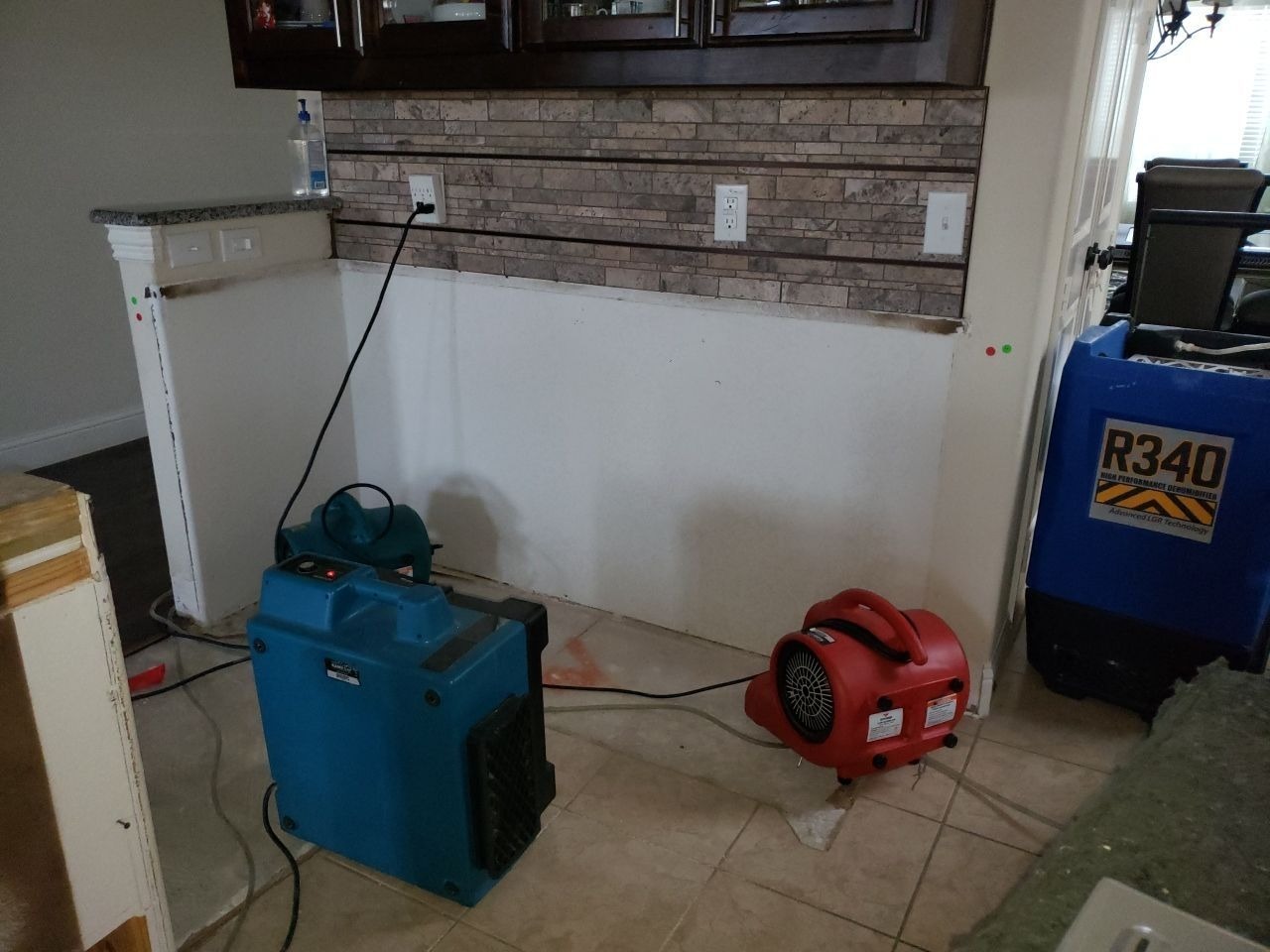
Work began with moisture mapping across the kitchen floor and surrounding subfloor. This step defined exactly how far the leak had traveled. Readings guided every decision that followed. Our crew flood-cut and removed wet flooring and subfloor material that couldn’t dry in place. Flood-cutting is a targeted demolition method; it takes out saturated material while preserving what’s salvageable. We applied an antimicrobial treatment to the exposed areas to address the damp environment left behind. Then we set drying equipment and monitored it daily. We adjusted the setup as readings changed until the space reached dry standard.
What the photos show
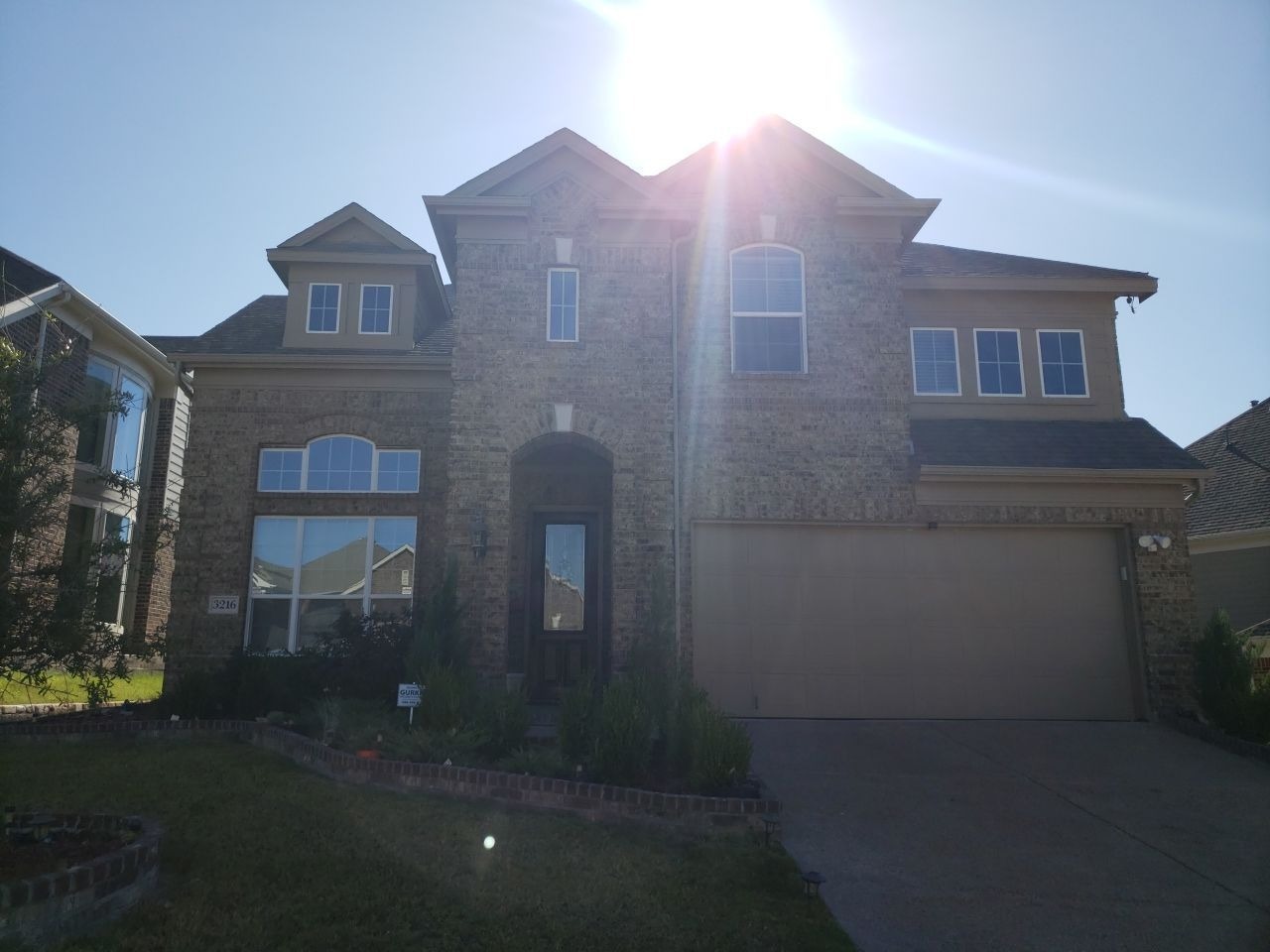
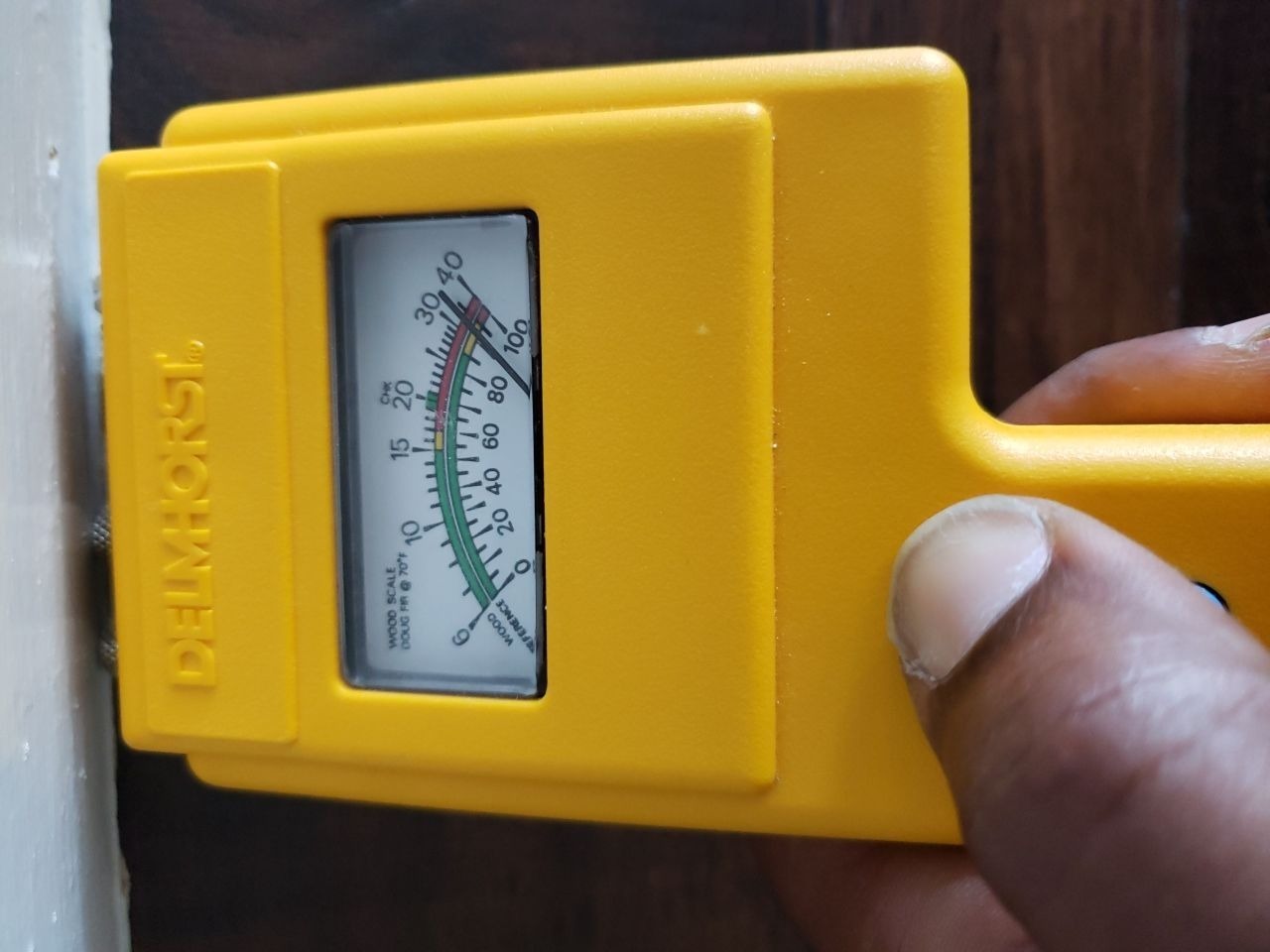
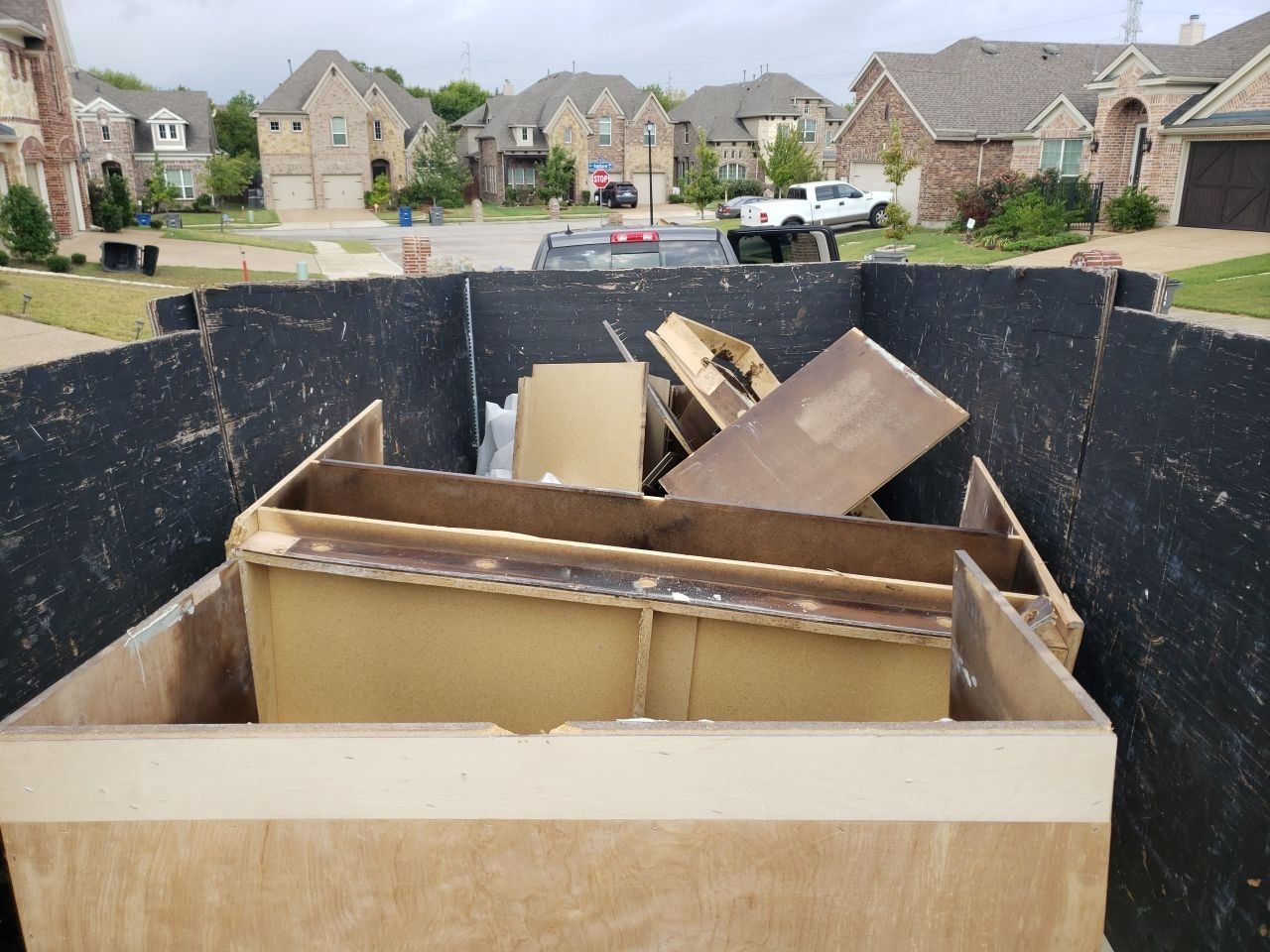
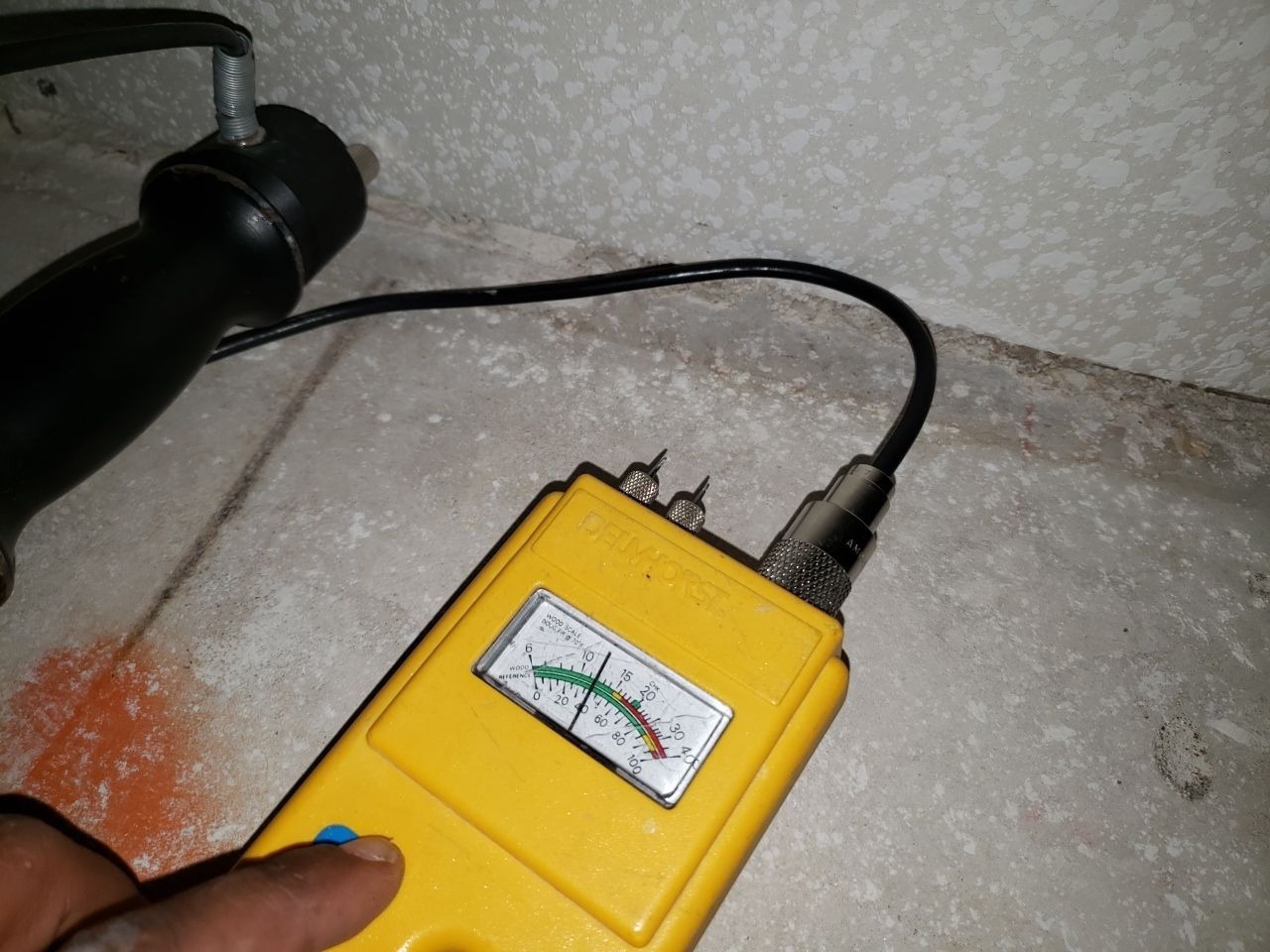
The photo set from this job documents the sequence. It starts with initial moisture readings on the kitchen flooring. Next come the flood-cut edges after wet material removal, then drying equipment positioned through the space, followed by the exposed subfloor and framing during the monitoring phase. Later images show the same areas as they approached and reached dry-standard readings.
Why water damage is worth taking seriously in Sachse
A kitchen plumbing leak often shows up as a small wet spot. The moisture underneath can spread into subfloor and framing well before it’s visible. Left unaddressed, trapped moisture creates conditions that support microbial growth. It can also compromise flooring and structural wood over time. Measuring moisture rather than guessing at it, both at the start and the finish, separates a surface wipe-down from an actual dry-out.
Result and next step
This water damage mitigation in Sachse ended with the kitchen flooring and subfloor drying to standard and passing a final moisture check. Our technician used a hammer probe on the framing to confirm it met dry standard. We ran that check before removing any equipment and finalizing the job. That verification step gives both the homeowner and our team confidence that the structure was actually dry, not just dry to the touch.
Guidance for property owners in Sachse and North Texas
If you find wet flooring near a kitchen, bathroom, or laundry area, resist the urge to simply mop it up and move on. You can’t reliably see or feel elevated moisture in subfloor and framing without a meter. Getting readings early makes a difference. Having those readings checked again before drying equipment comes out separates a job that looks finished from one that’s actually documented as dry.
Related guidance
For homeowners dealing with an active leak or water intrusion, learn more about our water damage restoration process, review what a ceiling stain can indicate about hidden moisture, or reach out to our team to get started.
Frequently asked questions
How did Rainy Day confirm the water damage mitigation in Sachse was complete?
Our technician used a hammer probe to check framing moisture levels directly. We paired that with standard moisture meter readings before removing drying equipment and closing the job.
Why was flooring removed instead of just dried in place?
The flood-cut method removes flooring and subfloor material that absorbed too much moisture to dry effectively. It preserves surrounding materials that crews could dry and treat.
What caused the water damage in this Sachse home?
We documented a plumbing leak in the kitchen as the source of the elevated moisture found in the flooring and subfloor.
Does passing a final moisture check mean the problem is fixed forever?
A passed final moisture check confirms the structure reached dry standard at the time of inspection. It documents the drying result. Ongoing conditions like plumbing maintenance stay separate from the drying process itself.