A burst frozen pipe caused major water damage Pottsboro TX homeowners noticed when standing water spread across several rooms, soaking carpet, pad, laminate flooring, and the subfloor beneath. Rainy Day Restoration extracted the standing water, mapped moisture throughout the affected areas, and removed the wet carpet, pad, and laminate. Our crew then set drying equipment and monitored the space until it passed a final moisture check. We completed and documented the work from first call through the final readings.
What we found in Pottsboro
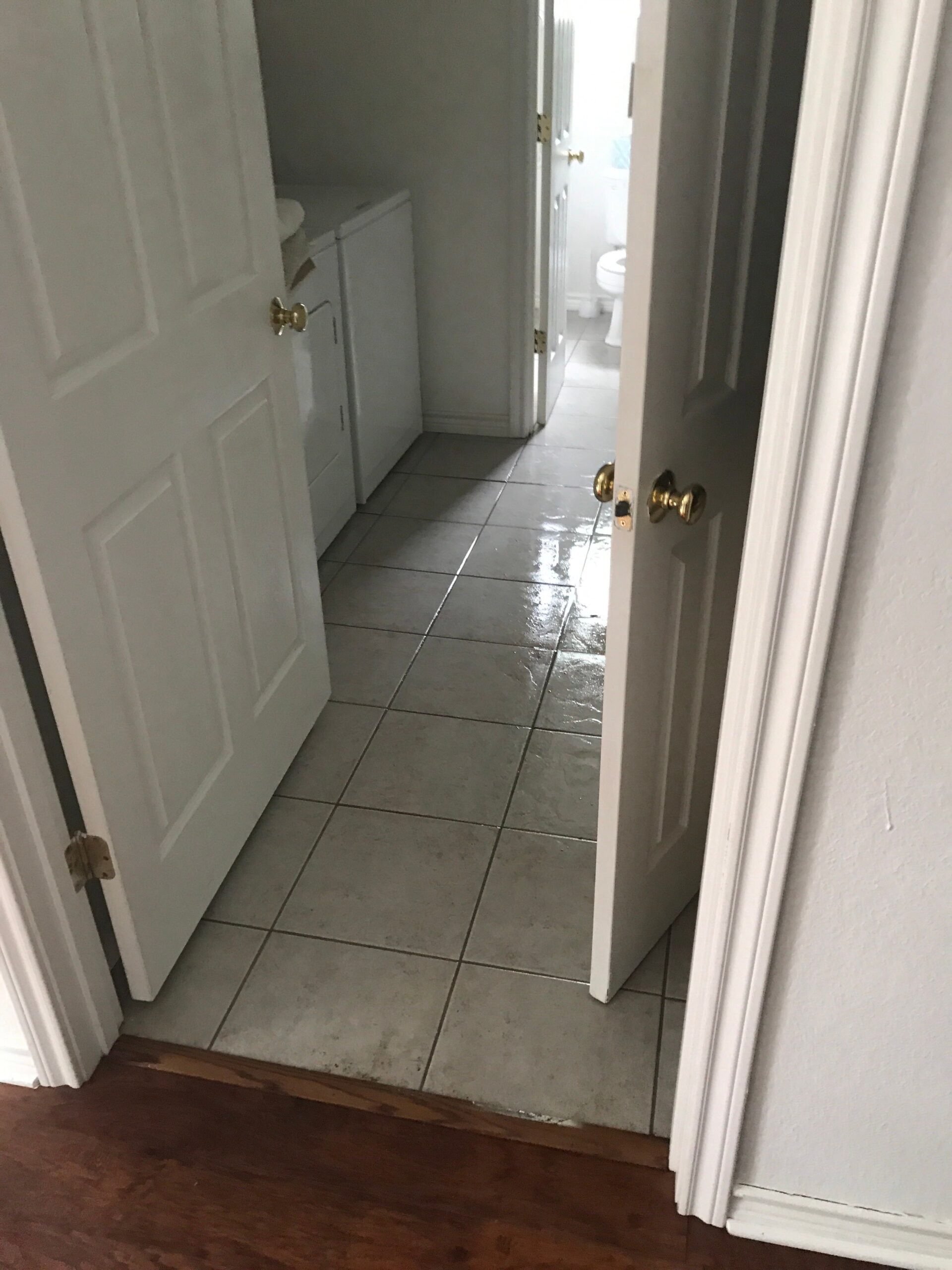
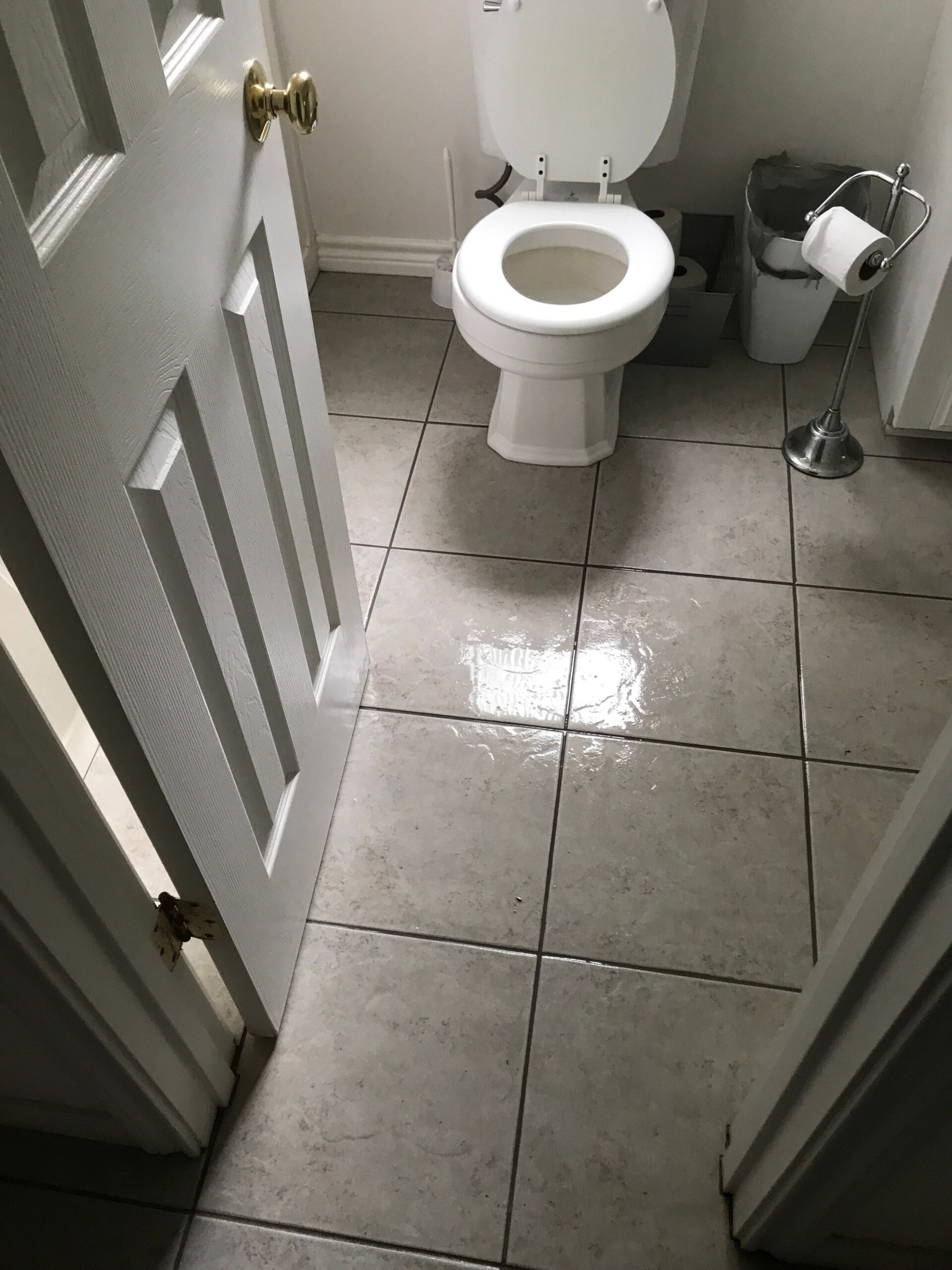
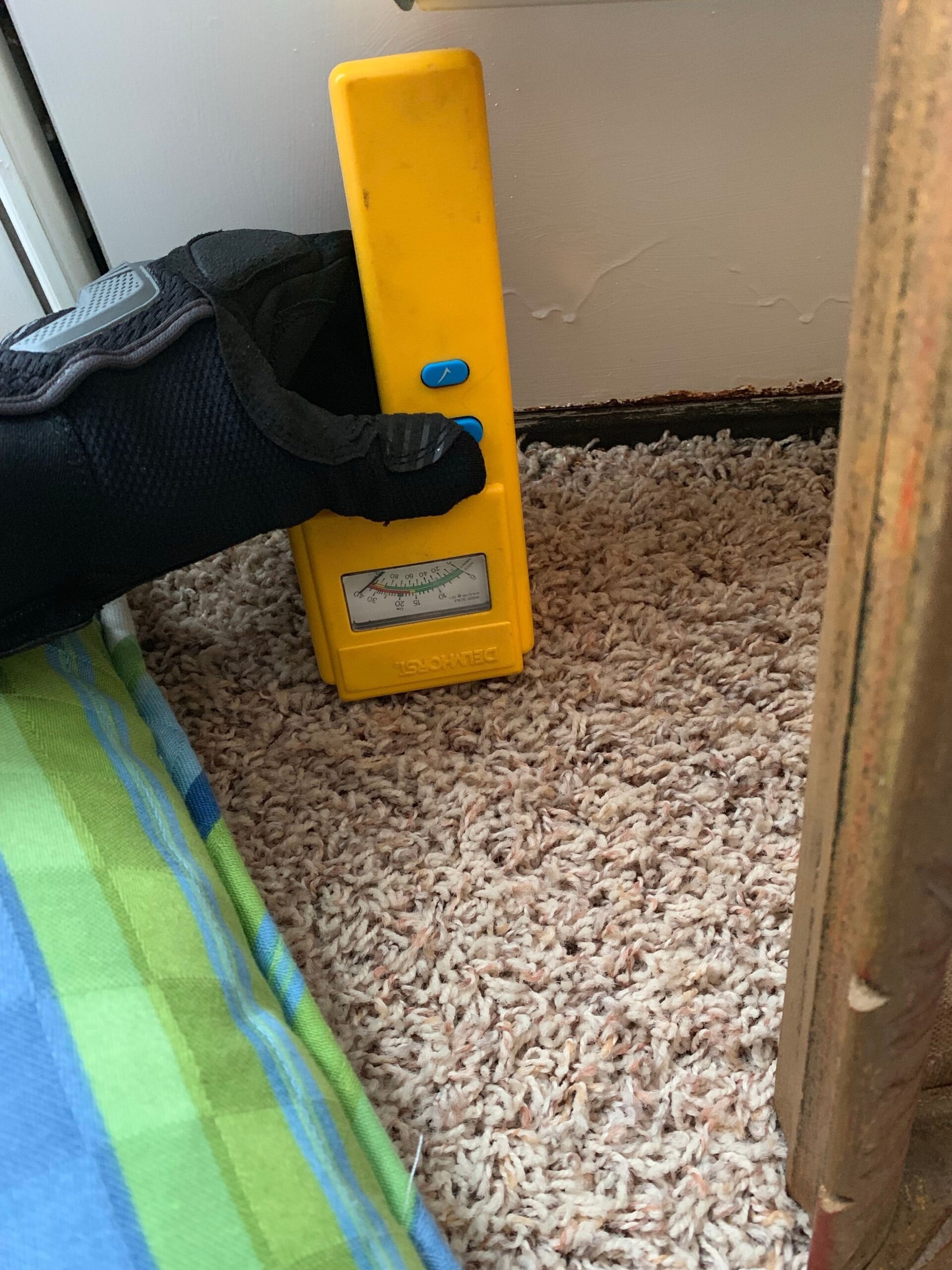
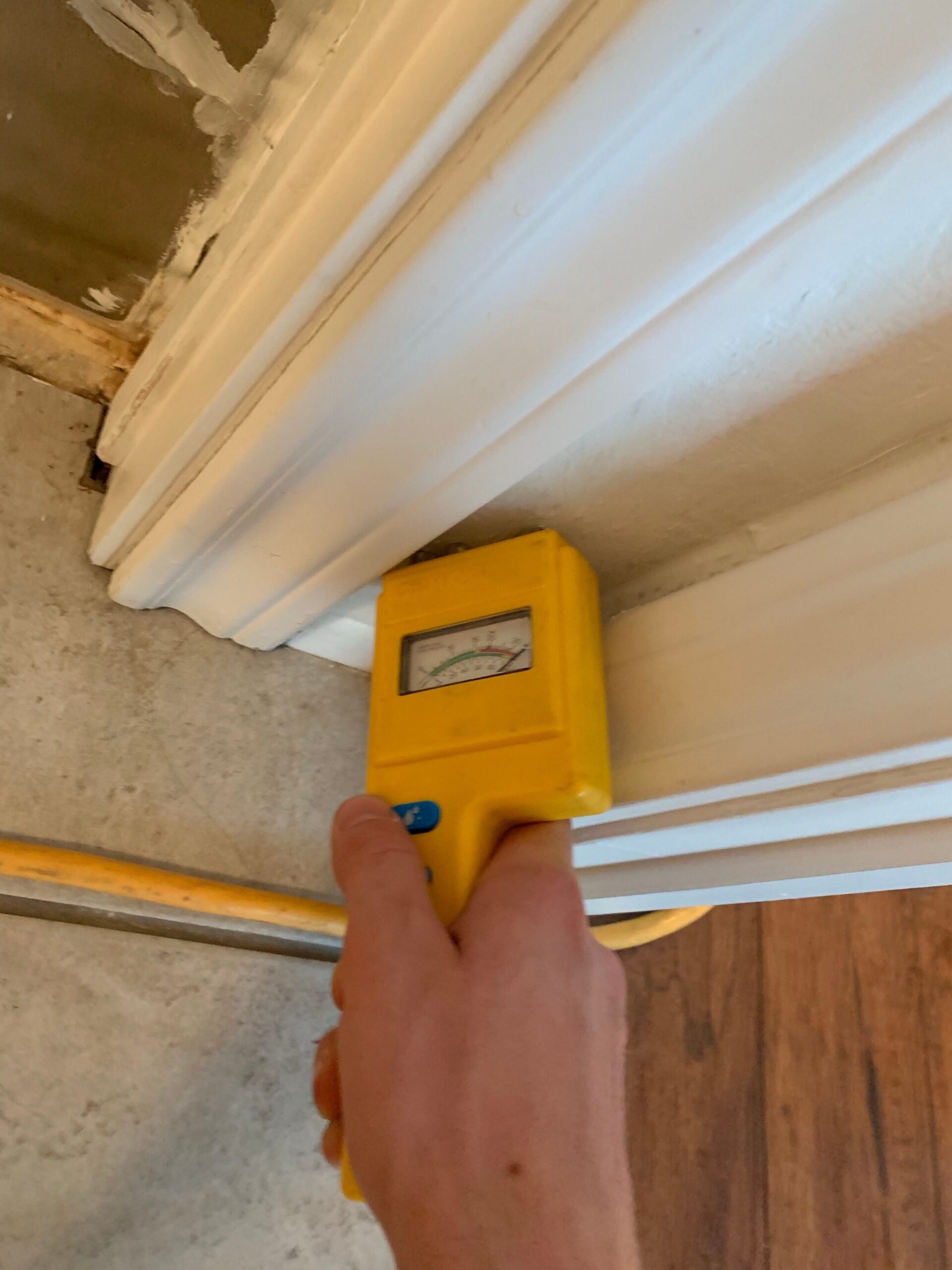
When our crew arrived, moisture meters showed elevated readings well beyond normal building material ranges. Standing water still covered the flooring in the affected rooms. Underneath the visible water, the subfloor itself held moisture, and drywall and baseboards near the floor line had already begun absorbing it. Insulation in the affected wall cavities had also taken on water, which often happens when water sits against a wall for any length of time before anyone finds it.
Rainy Day’s role
As the property owner’s single point of contact, Rainy Day Restoration handled every stage of this job, from the initial extraction through the final drying verification. Our technicians hold IICRC certification and work under license RCO1416, so they followed documented moisture standards rather than guesswork. That matters when a homeowner needs to know a space is actually dry, not just visually dry. As a family-owned company operating in North Texas since 1999, we treat that documentation as part of the job, not an extra step.
What we did
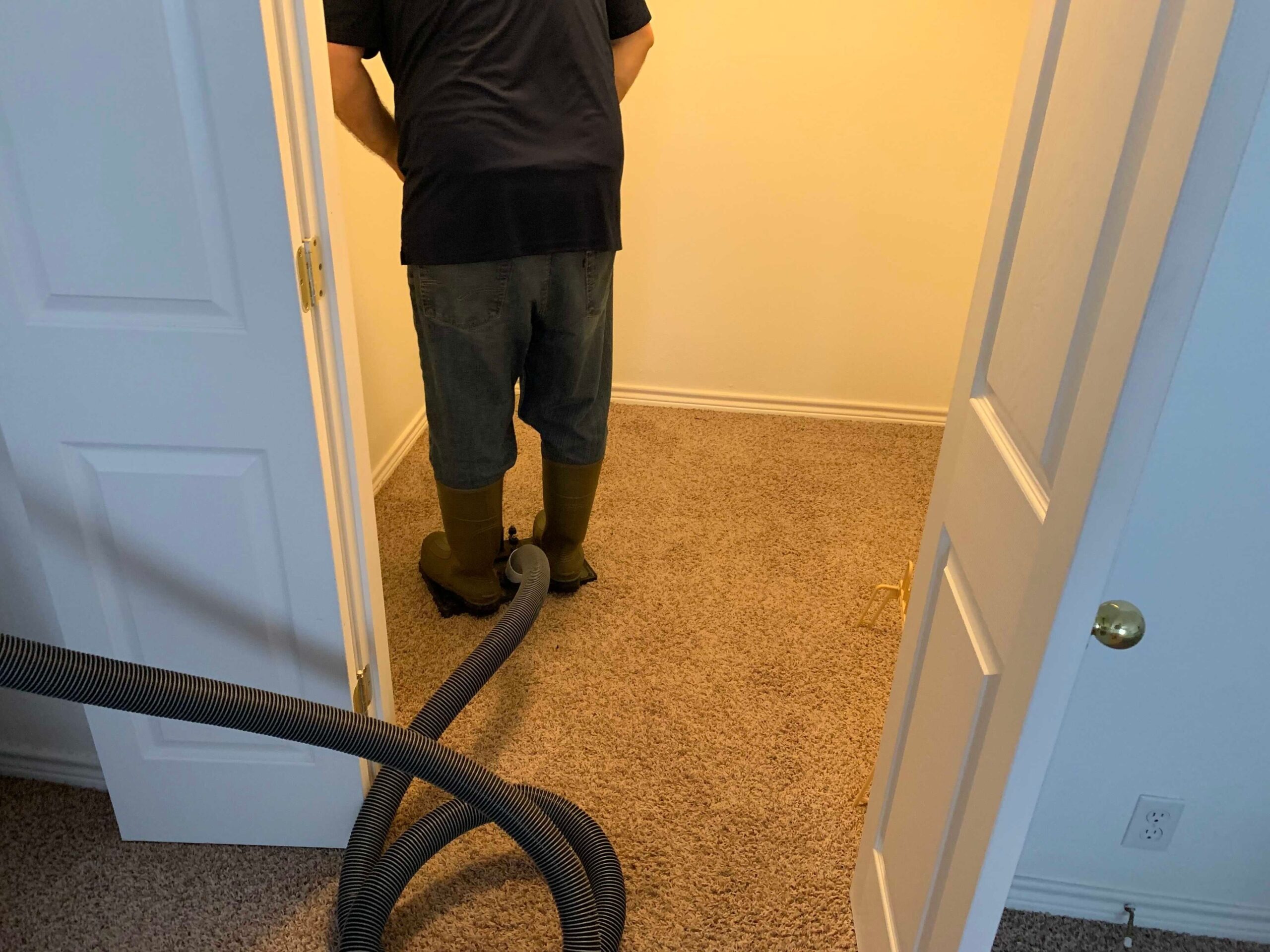
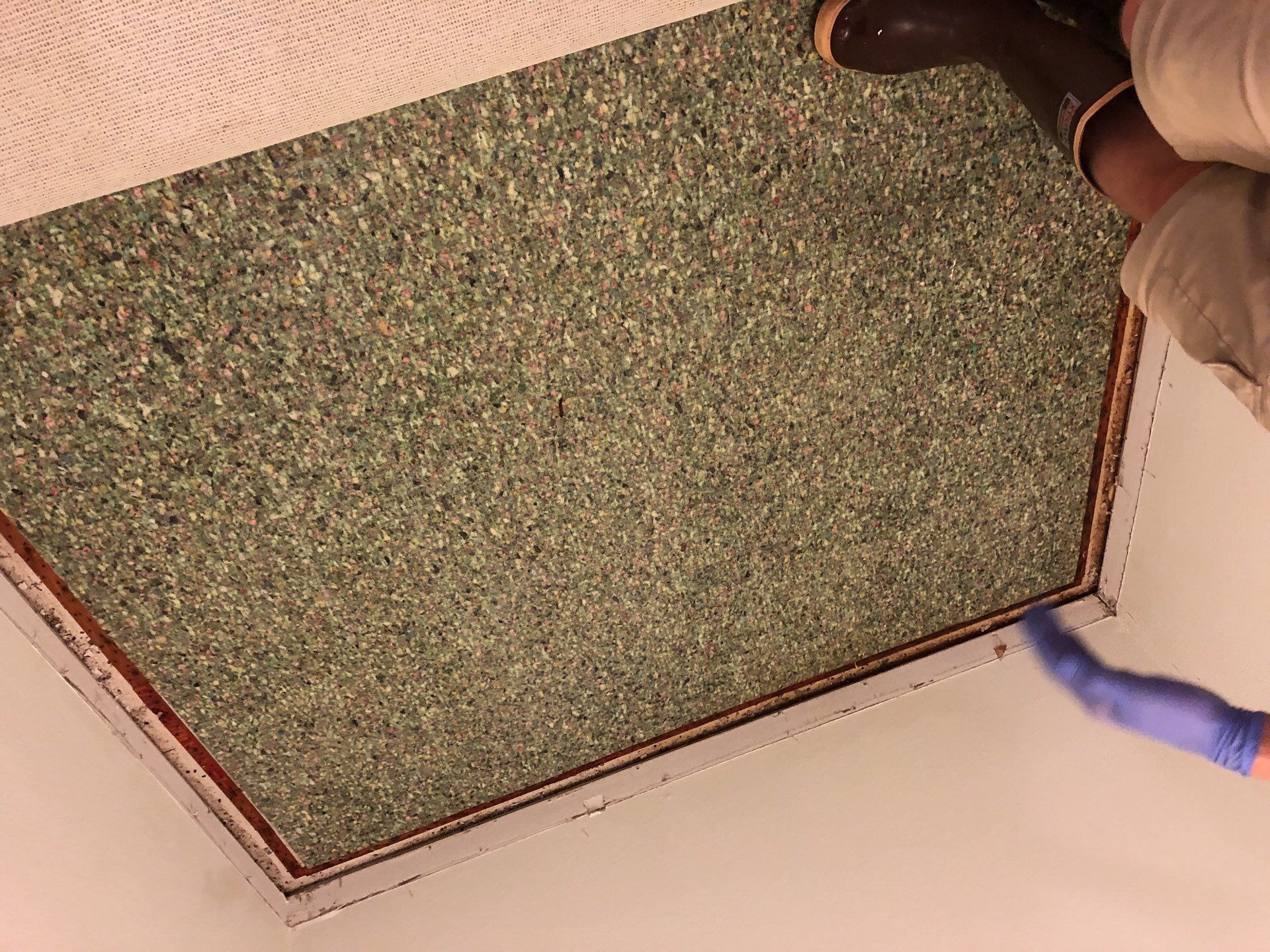
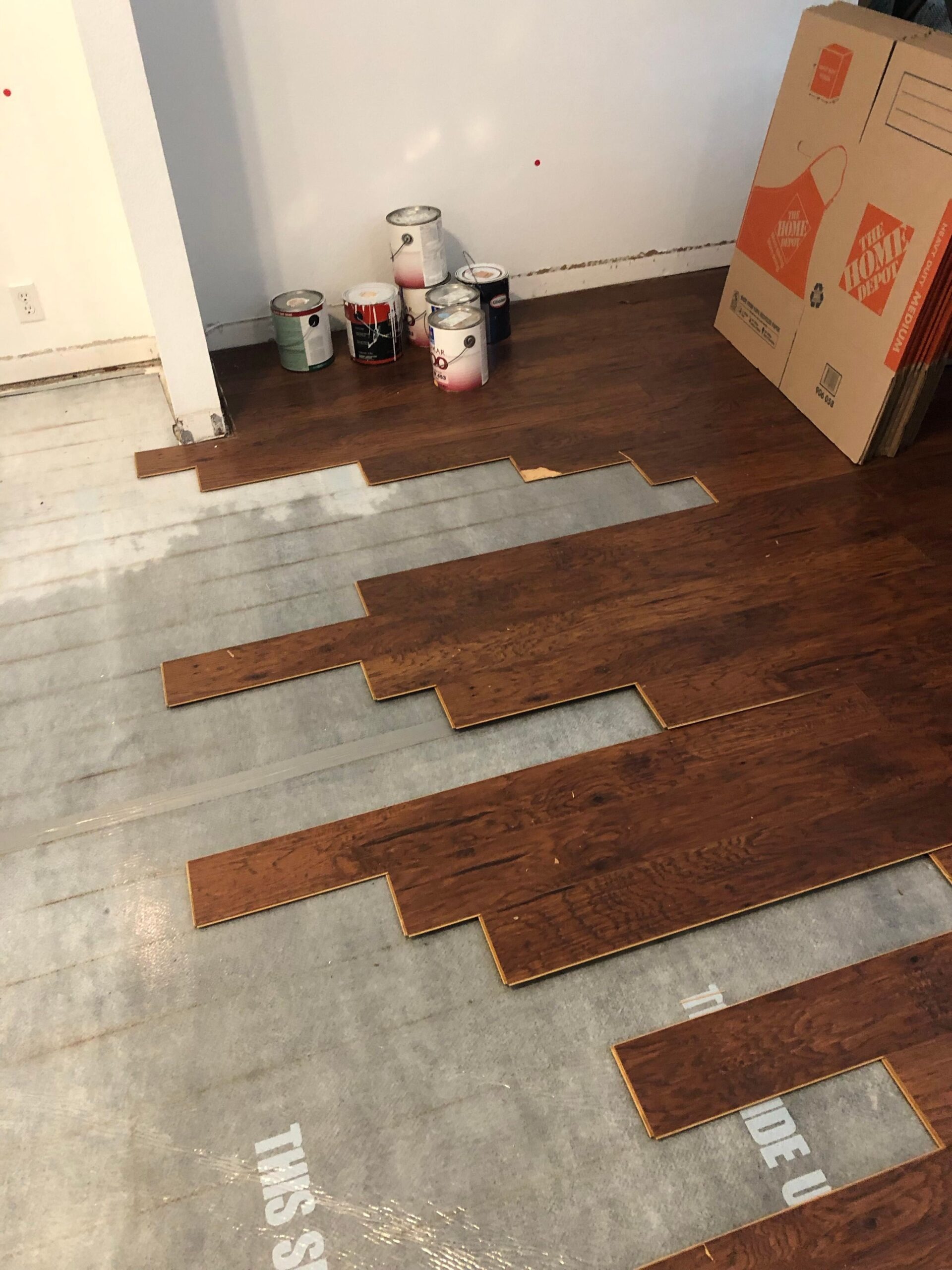
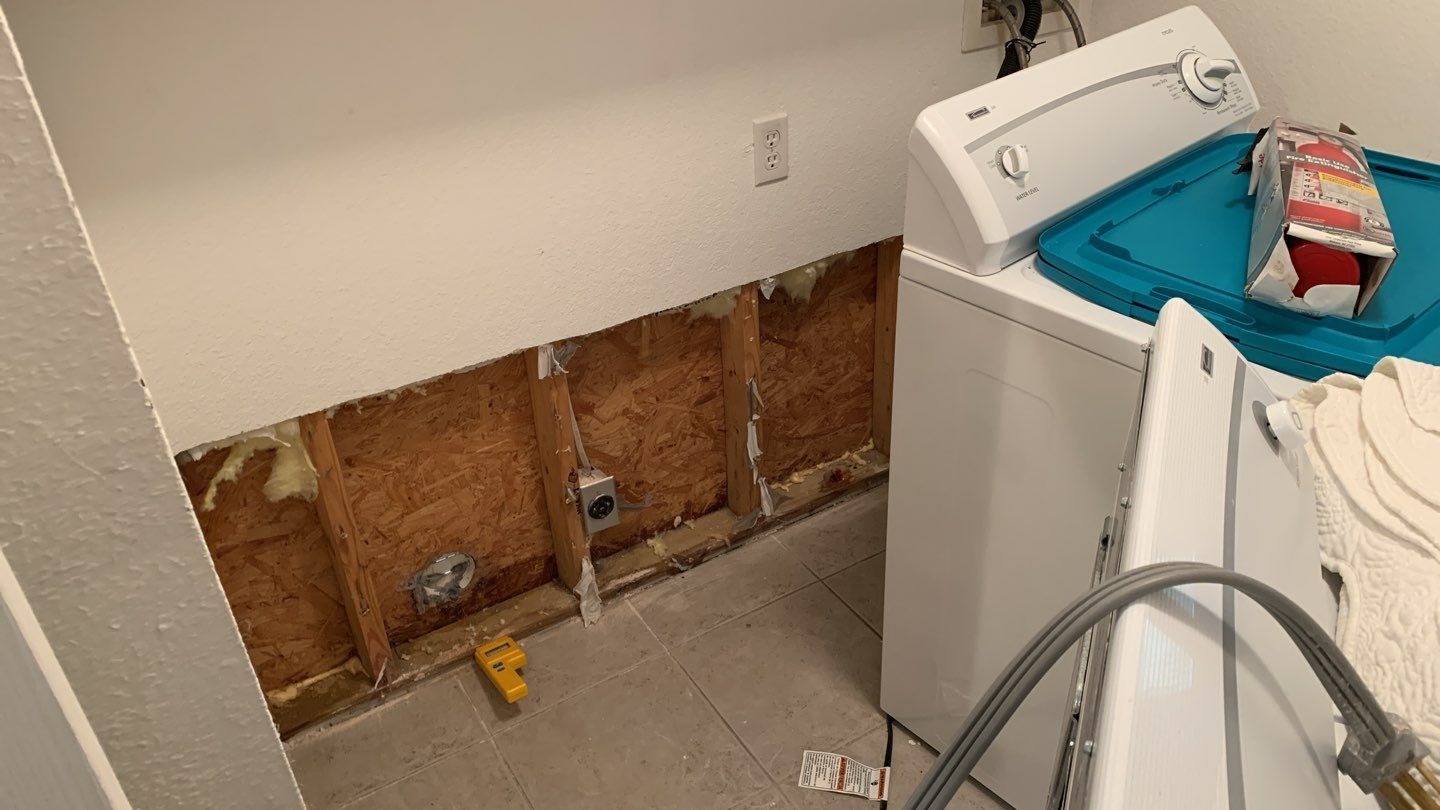
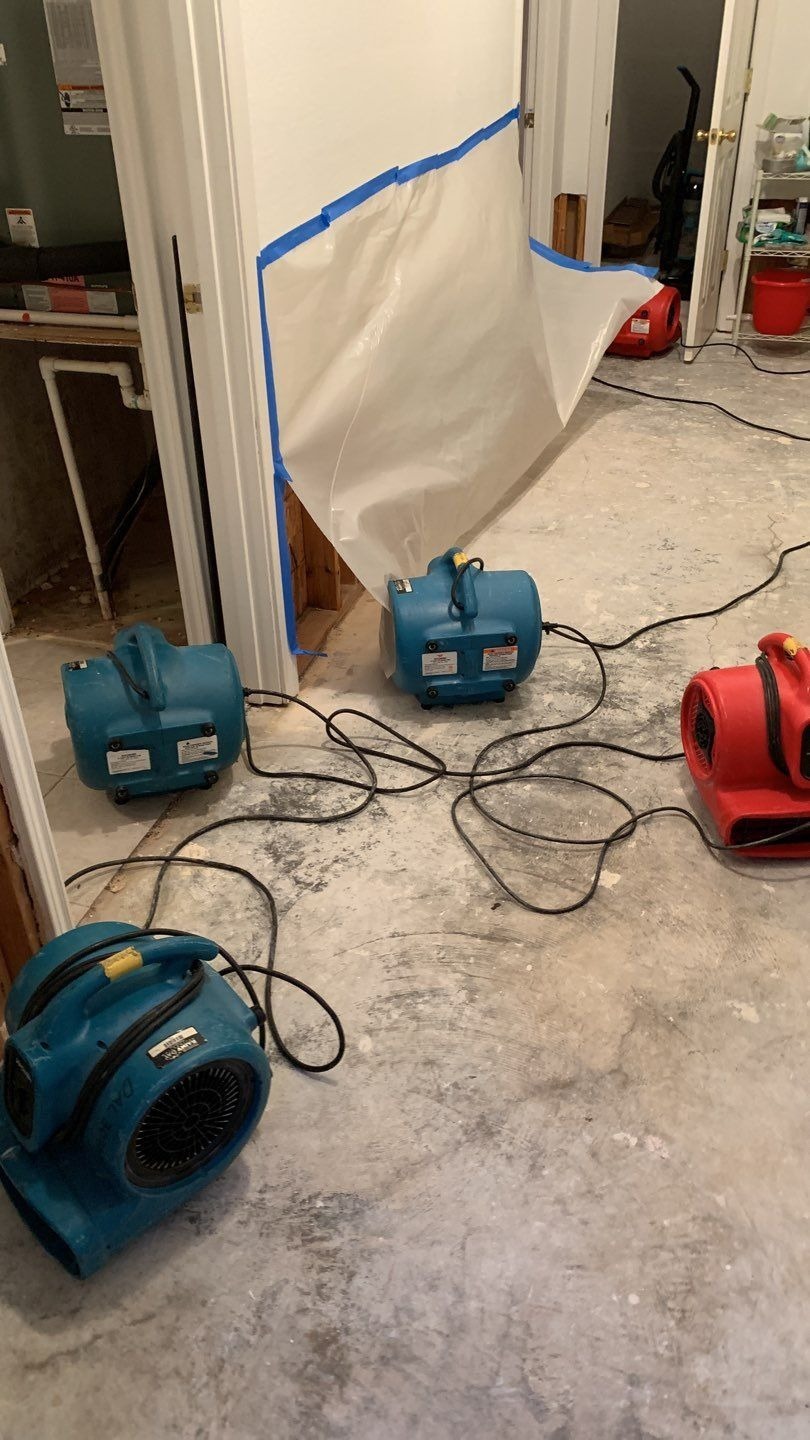
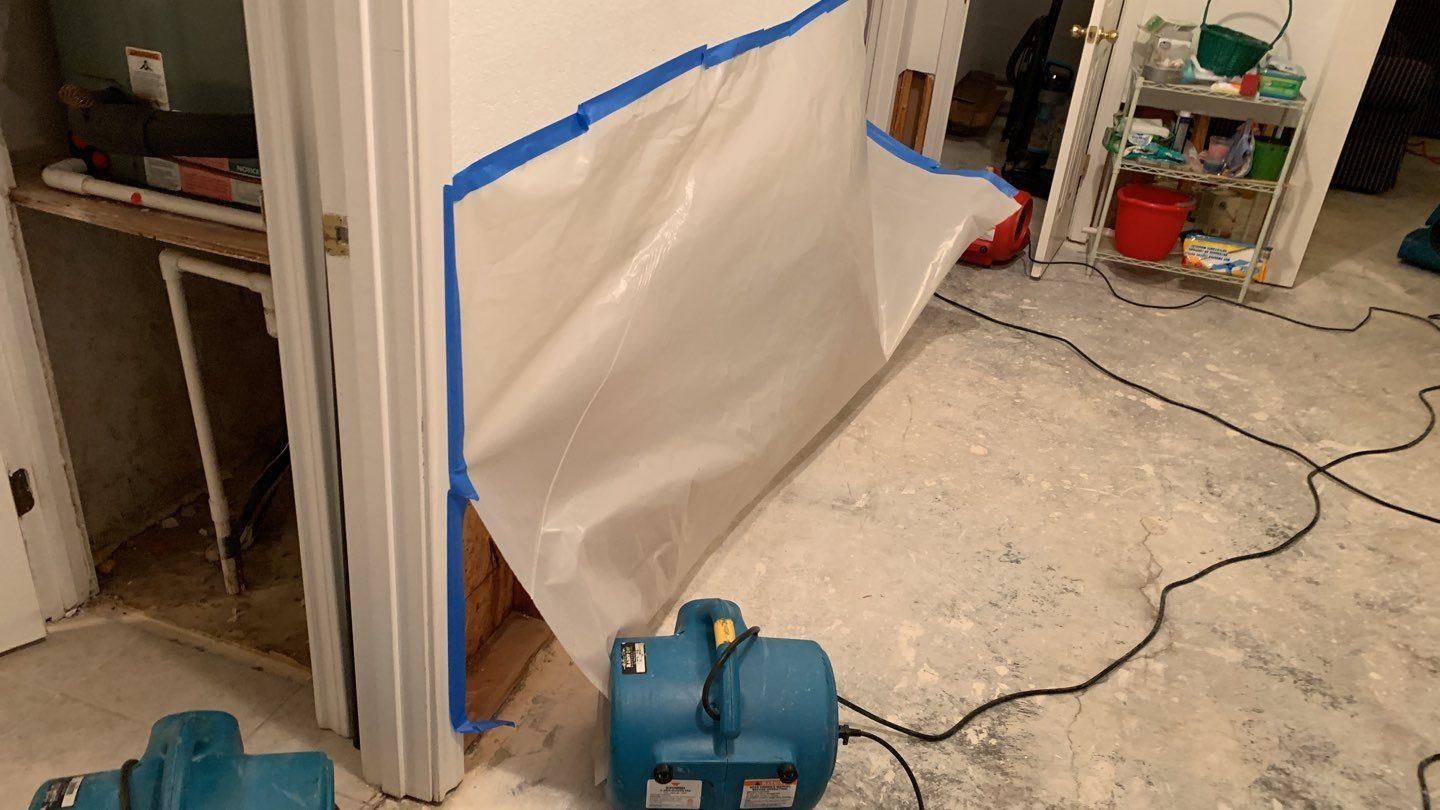
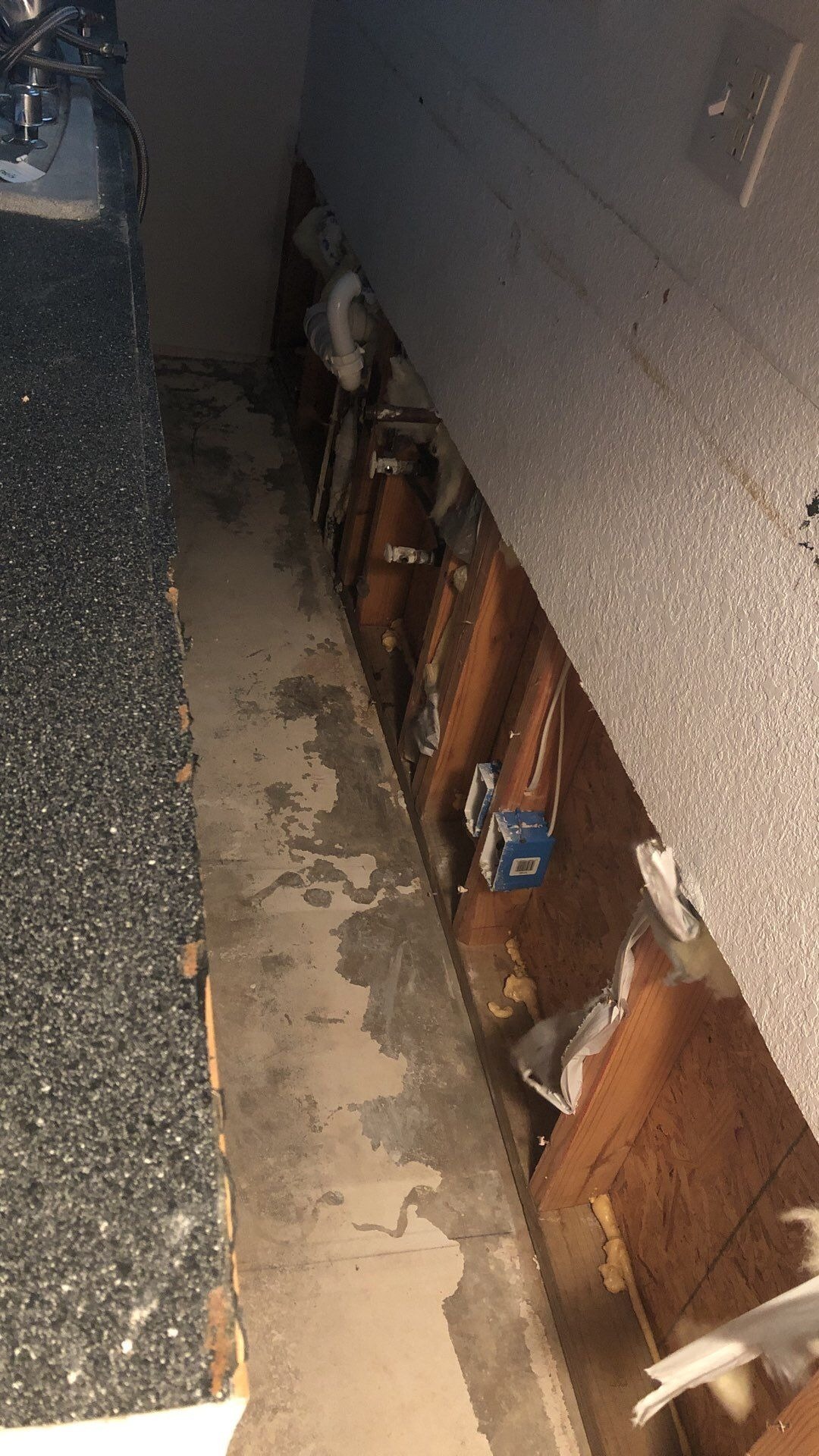
Technician Josh Hopewell, IICRC-certified, led the extraction of standing water from the affected rooms. Once the bulk water was removed, the crew took moisture readings throughout the flooring, walls, and subfloor to map how far the water had traveled. The team removed carpet and pad, along with the laminate flooring in the affected areas, because both materials had absorbed water beyond a point where drying in place was practical. Crews flood cut and removed wet drywall and baseboard material where readings confirmed saturation. An antimicrobial application followed to address the exposed, previously wet surfaces. The team set drying equipment and left it running, then returned to monitor progress against IICRC drying standards until the structure met that benchmark. Crews also moved contents in the affected rooms as needed to allow full access to the flooring and walls throughout the process.
What the photos show
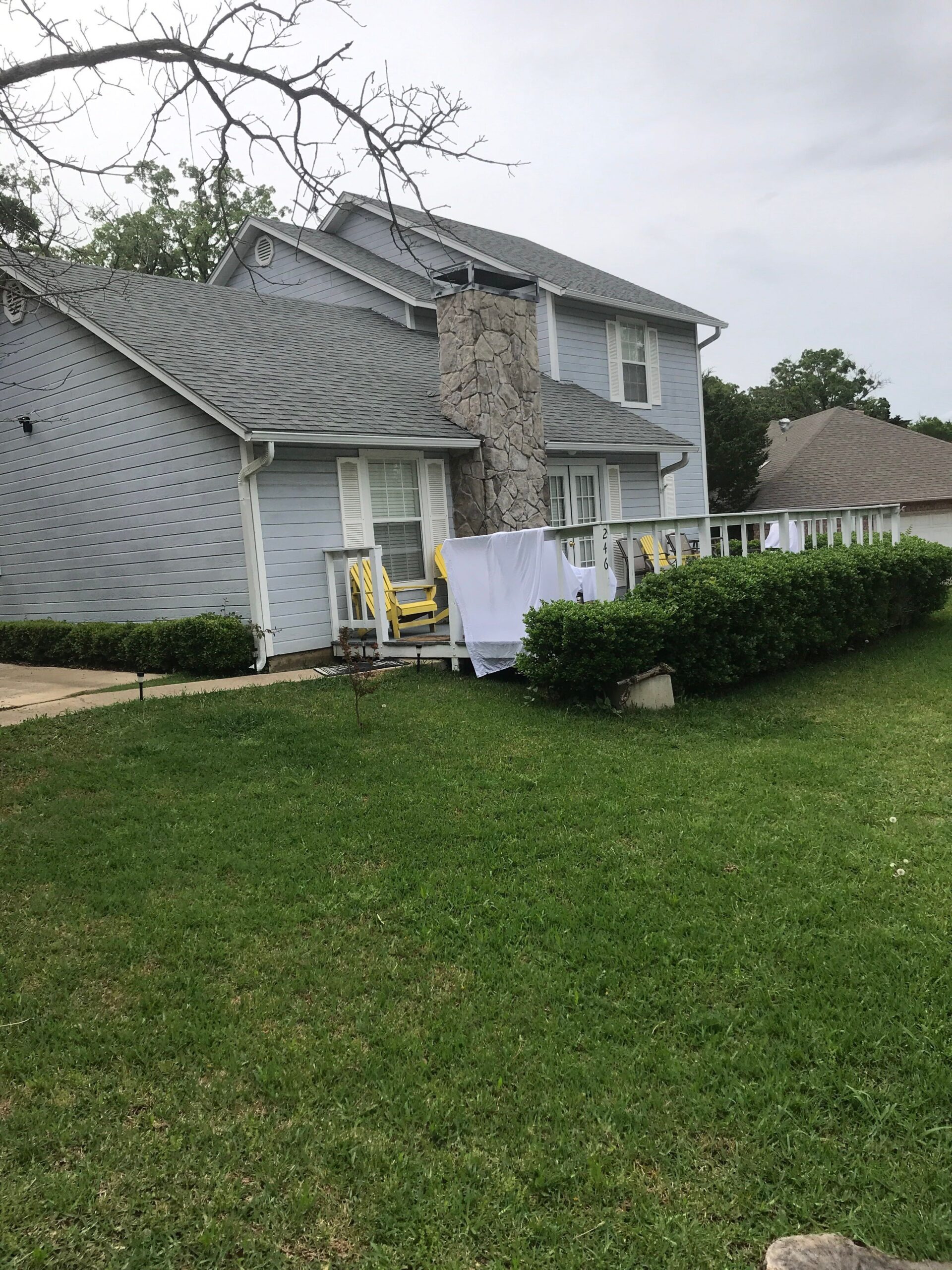
The photo set from this job documents the standing water at first arrival, the moisture mapping readings taken room by room, the removed carpet, pad, and laminate, the flood-cut drywall sections, and the drying equipment in place during monitoring. Together, they show the progression from wet to verified dry.
Why frozen pipe water damage is worth taking seriously
A burst pipe from freezing temperatures doesn’t stay contained to one spot. Water follows gravity and gaps in construction. It moves under flooring, into wall cavities, and behind baseboards before anyone notices. Left unaddressed, wet subfloor and wet insulation stay damp long after the surface looks dry. That’s why moisture mapping with meters matters more than a visual check. In North Texas, hard freezes are intermittent but real, so pipes in exterior walls or unheated spaces face the highest risk.
Result and next step
This Pottsboro home dried to standard and passed its final moisture check. Crews removed the affected carpet, pad, and laminate rather than drying them in place, and the exposed materials received an antimicrobial application before drying equipment finished the job. With readings confirmed within normal range, the property stands ready for flooring replacement and any remaining rebuild work.
Guidance for property owners in Pottsboro and North Texas
If you find standing water or a soft, damp spot in flooring after a cold snap, shut off water to the affected line if you can safely do so. Avoid walking through the area more than necessary. Wet subfloor and wet insulation can hold moisture far longer than they appear to, so a moisture reading is the only reliable way to confirm a space is actually dry. Acting early limits how far water travels and how much material needs removal.
Related guidance
Learn more about our water damage restoration process, what to do if you’re dealing with water coming through a ceiling, or get help from our team for a similar issue.
Frequently asked questions
What caused this case of water damage Pottsboro TX homeowners experienced?
A burst frozen pipe released standing water into several rooms, and our records document this as the cause for this job.
Why was the carpet and laminate flooring removed instead of dried in place?
Moisture readings showed the carpet, pad, and laminate had absorbed water beyond a point where in-place drying was practical. So the crew removed those materials to allow proper drying of the subfloor beneath.
How do you know the home is actually dry and not just visually dry?
Our technicians took moisture readings throughout the affected flooring, walls, and subfloor using meters. Then they monitored those readings against IICRC drying standards until the space passed a final moisture check.
Does drying to standard mean the water damage issue is permanently resolved?
It means the structure met documented drying benchmarks at the time of the final check. We don’t claim any outcome beyond what our readings and monitoring confirm.