This report covers a completed water damage restoration in Princeton, TX, where a burst frozen pipe released water into a home’s flooring and wall systems. Technicians documented elevated moisture in the flooring, subfloor, and baseboards. The crew removed the materials that could not be dried in place, then applied antimicrobial treatment. They monitored the space with drying equipment until it passed a final moisture check. Technicians confirmed the cause on site: a frozen supply pipe burst under pressure once temperatures dropped. Rainy Day Restoration & Roofing, family-owned in North Texas since 1999 and IICRC-certified, handled the job from initial moisture mapping through final verification. One company managed the whole process rather than handing it off between separate crews.
What we found in Princeton
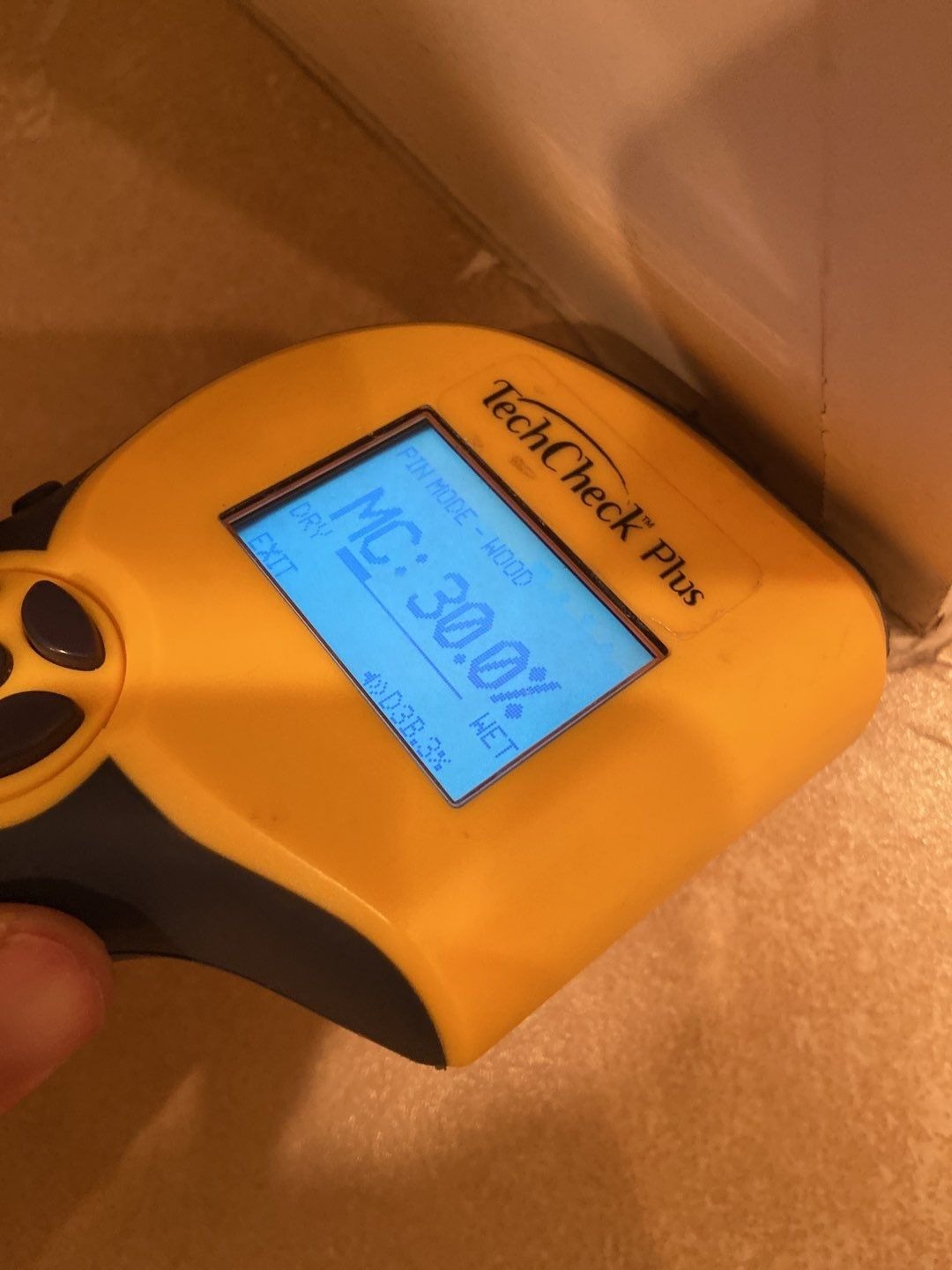
When technicians arrived, moisture meters showed elevated readings across sections of flooring and up into the lower portion of the drywall and baseboards. The subfloor beneath the affected flooring was also wet. This is common when water sits long enough to soak through a top layer before anyone notices the source. Technicians documented the cause as a frozen pipe that had burst. This is a familiar pattern in North Texas homes when a sudden cold snap catches an underinsulated line off guard.
Rainy Day’s role
Josh Hopewell, IICRC-certified, led the moisture mapping and directed the drying plan for this Princeton property. Rainy Day’s role here was to establish exactly how far the water had traveled. The crew then removed what could not be salvaged and managed the drying process to a verified endpoint rather than a guess. The same company, licensed under RCO1416, handles both the initial assessment and the follow-through work. That means there was no gap between diagnosis and action.
The water damage restoration in Princeton, TX, step by step
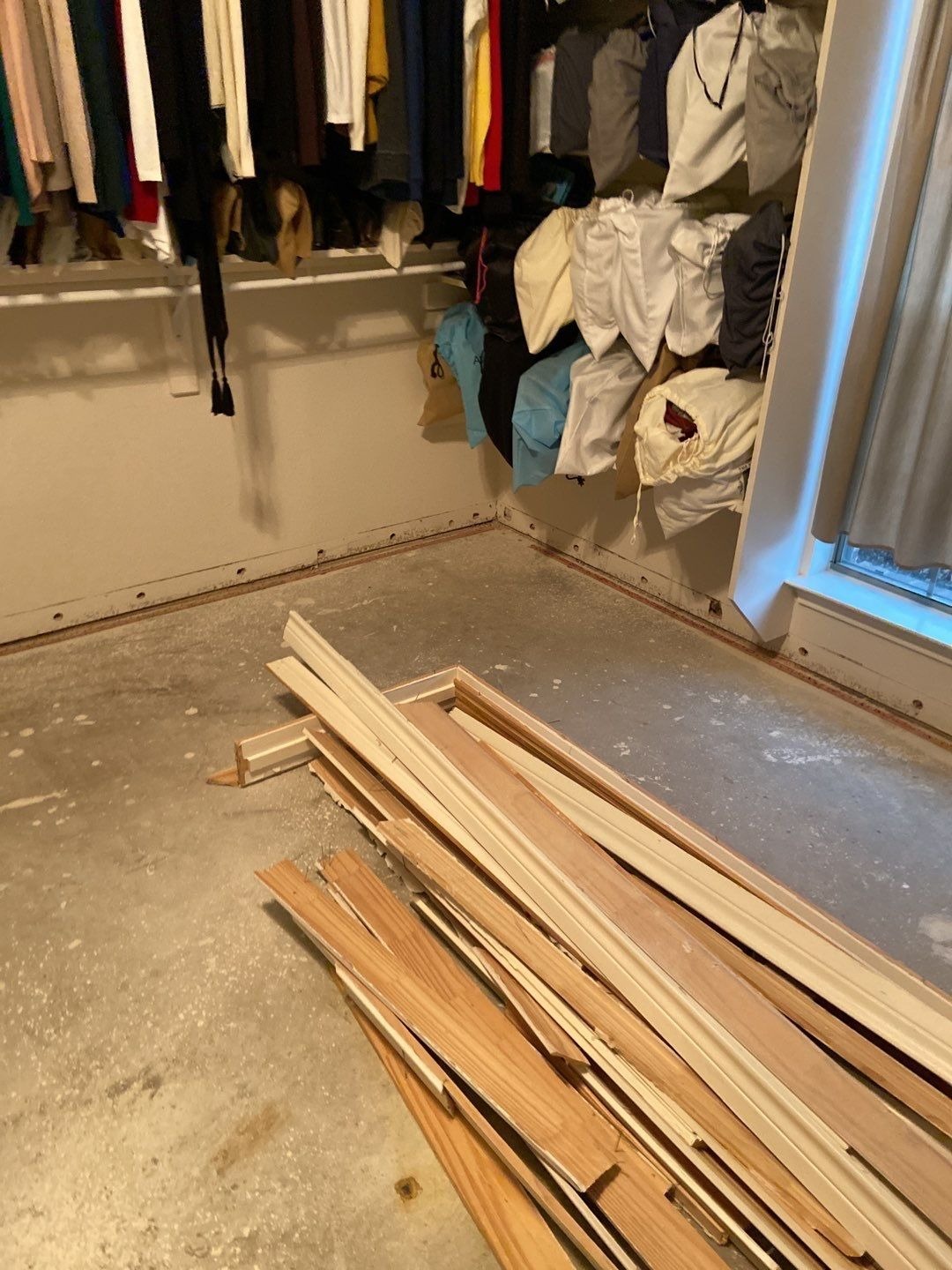
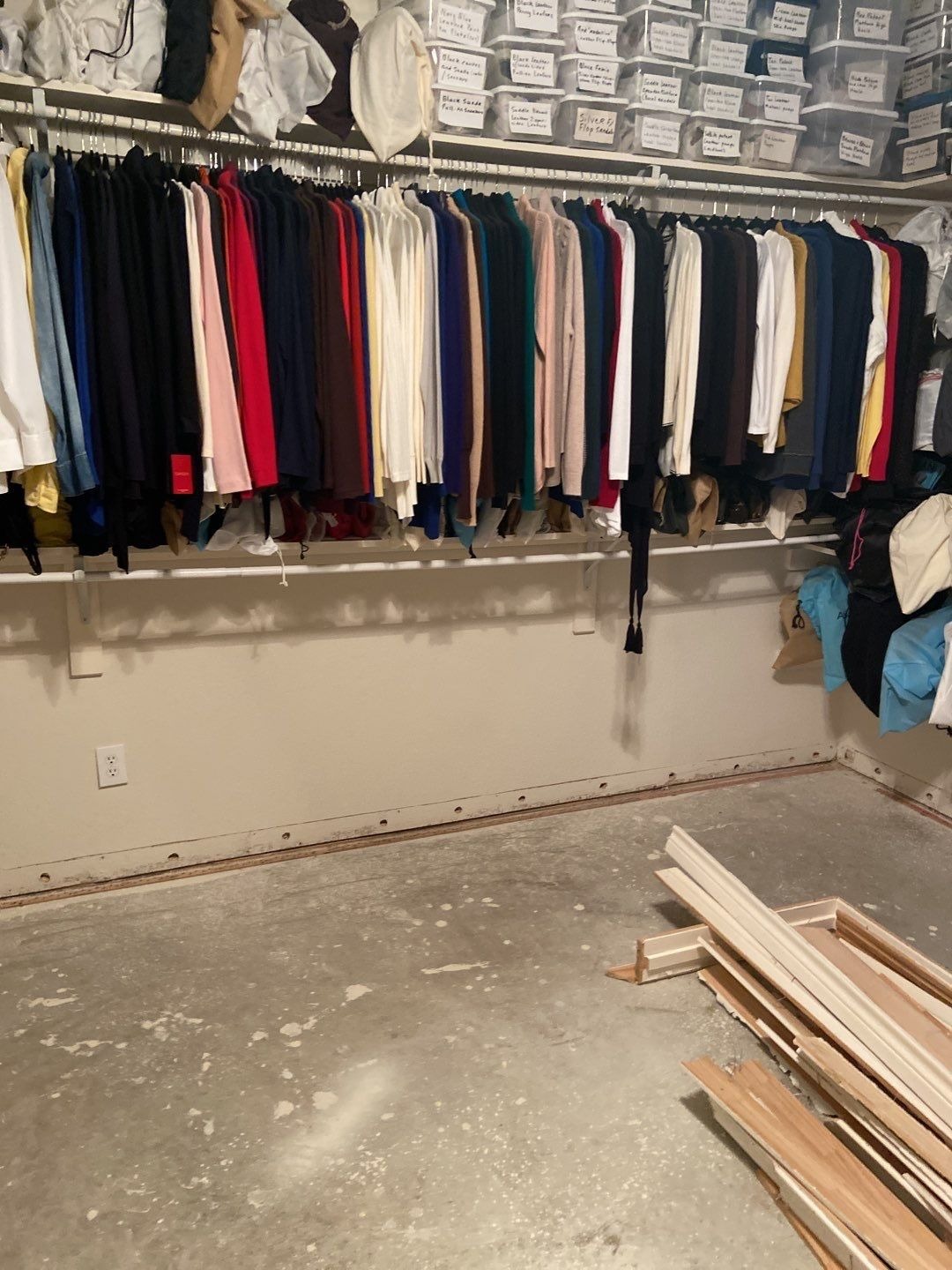
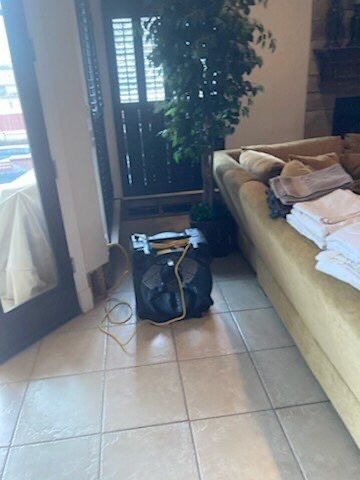
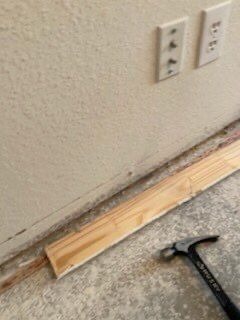
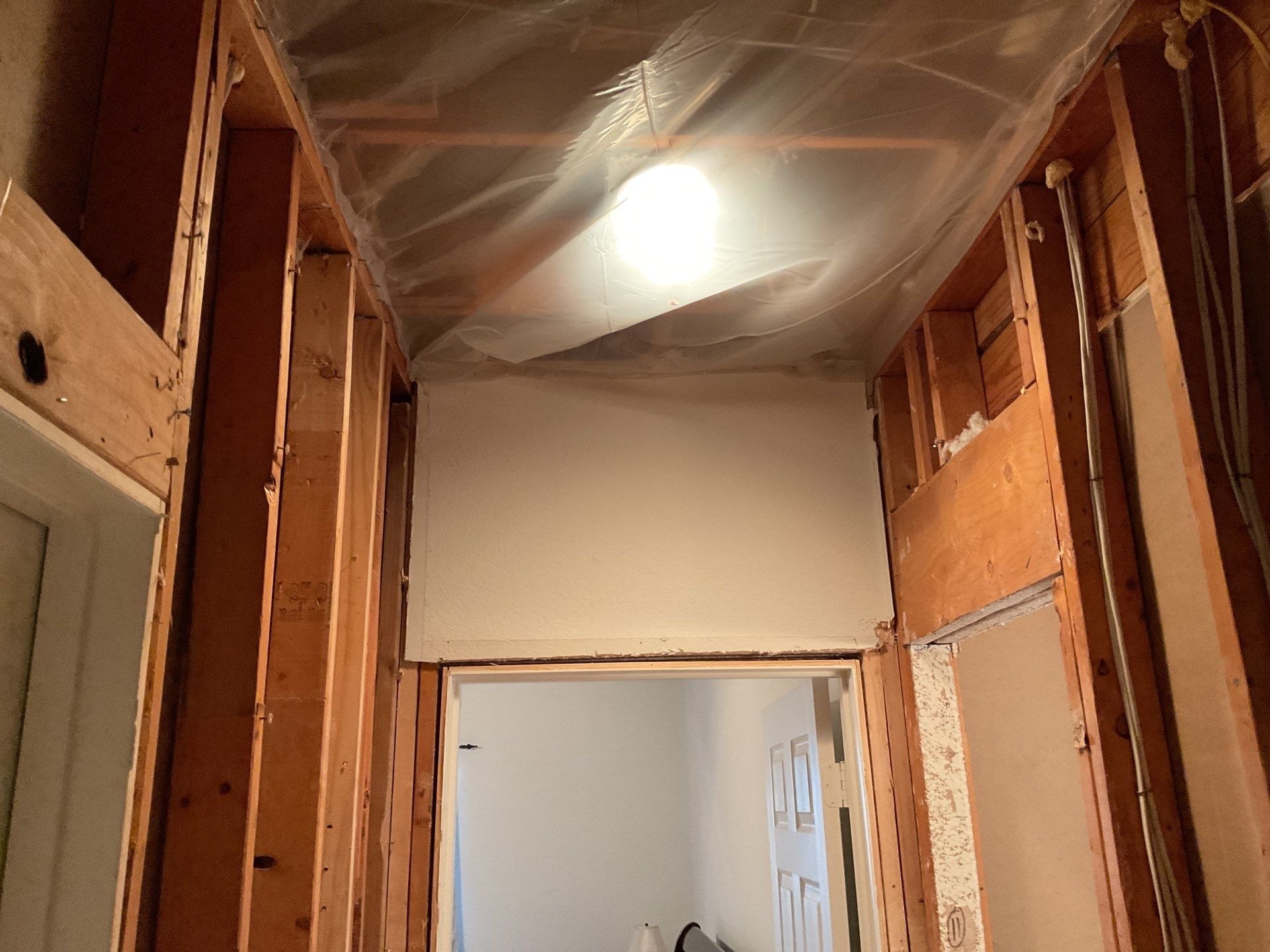
Work began with a full moisture mapping pass using meters to chart the extent of the wet flooring, subfloor, and drywall. Based on those readings, technicians performed a flood cut to remove wet drywall and baseboard material that had absorbed water beyond a safe drying threshold. They also removed any flooring that couldn’t be dried in place. Technicians applied an antimicrobial to the exposed framing and remaining materials as a standard precaution against microbial growth in a saturated space. The crew then set drying equipment and monitored it over the following days. Technicians returned to take follow-up readings and adjust placement as the structure dried. They moved contents in the affected area as needed to allow airflow and equipment access.
What the photos show
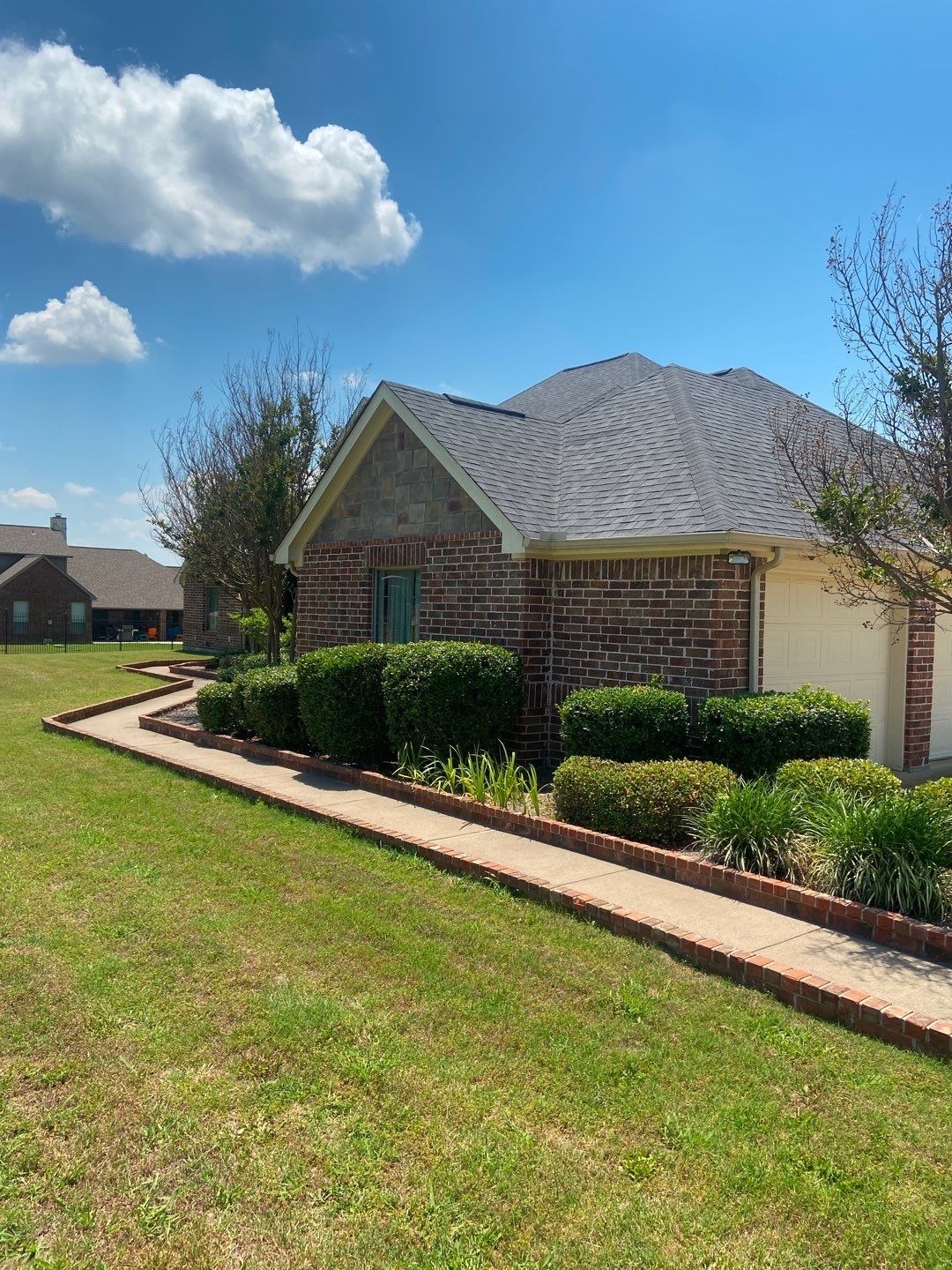
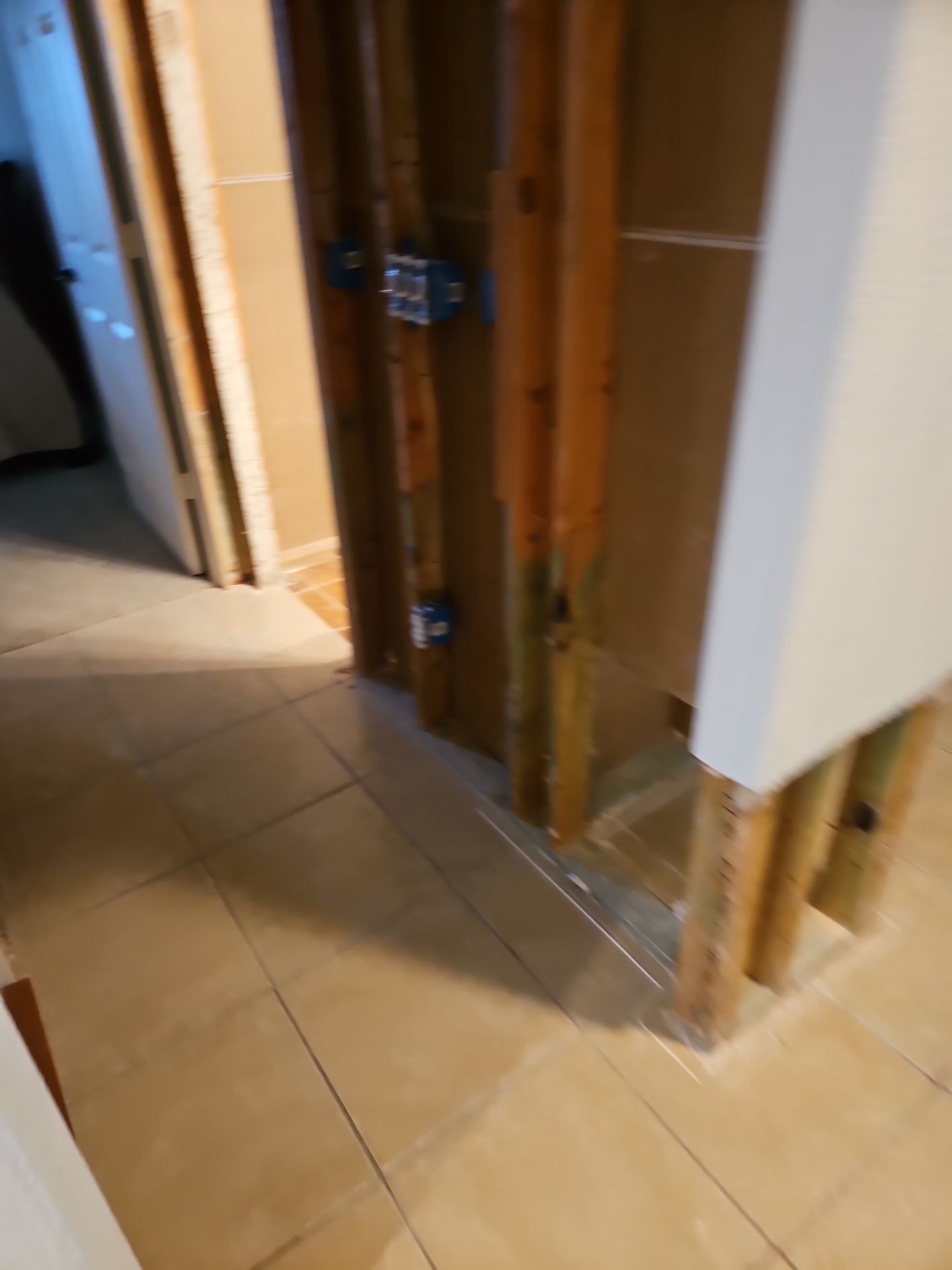
The photo set from this job documents the moisture readings technicians took at the start of the job. It also shows the condition of the flooring and drywall before removal, the flood-cut areas after the crew took out wet material, the drying equipment set up in the space, and the final readings confirming the structure had reached an acceptable dry standard.
Why water damage is worth taking sSeriously
Water that sits inside flooring, subfloor, or wall cavities does more than stain a surface. It can travel well beyond the visible wet spot, wicking into materials that look dry from the outside. Left unaddressed, saturated building materials create conditions for microbial growth. They can also compromise the structural integrity of flooring and framing over time. That’s why moisture mapping matters before any repair decision is made: it tells you where the water actually went, not just where someone first noticed it.
Result and next step
This water damage restoration in Princeton, TX, reached a documented outcome. Technicians removed the affected materials where necessary, dried the structure under monitored equipment, and confirmed with a final moisture check that the space had returned to an acceptable dry standard. For this Princeton homeowner, the next step is straightforward rebuild work in the areas where materials were removed. That means restoring the flooring and drywall that technicians flood-cut during the drying process.
Guidance for property owners in Princeton and North Texas
Frozen-pipe bursts tend to cluster during North Texas cold snaps, especially in homes with exterior walls, garages, or crawl spaces where a pipe run isn’t well insulated. If you notice a sudden pressure drop, a wet spot on flooring, or a damp baseboard after a freeze, shut off water to the affected line first. Then get moisture readings taken as soon as possible. Waiting even a day or two can let water spread into more of the subfloor and framing than the surface damage suggests.
Related guidance
For homeowners dealing with a similar situation, these resources may help: learn more about our water damage services, read about what to watch for with a water through ceiling situation, or get emergency help if you’re dealing with active water intrusion right now.
More Rainy Day projects: Roof Leak Water Damage Mitigation in Princeton, TX.
Frequently asked questions
What caused the water damage restoration in Princeton, TX to be needed?
Technicians documented the cause as a burst frozen pipe. A cold-weather freeze caused a supply line to burst, releasing water into the flooring and wall areas of the home.
How do you know when flooring and drywall need to be removed versus dried in place?
Technicians use moisture meters to take readings throughout the affected area. They remove materials that show moisture levels beyond a safe drying threshold through a flood cut. Materials that have absorbed water into layers that can’t be effectively dried in place also get removed rather than left to dry and risk future problems.
Why did technicians apply antimicrobial during this job?
Antimicrobial treatment is a standard step on jobs involving saturated building materials. Technicians apply it to exposed framing and remaining surfaces as a precaution against microbial growth in a space that held moisture.
How is a completed water damage job verified as dry?
Technicians monitor the space with drying equipment and take follow-up moisture readings over time. The drying phase is complete once a final moisture check confirms the structure has reached an acceptable dry standard.
“Rainy Day is a life saver! My house was basically gutted and they brought my vision to life. My home is absolutely beautiful. Every person that stepped foot into my house was professional, polite, kind, and helpful. They were all just a joy to work with and I will definately use them again.”