
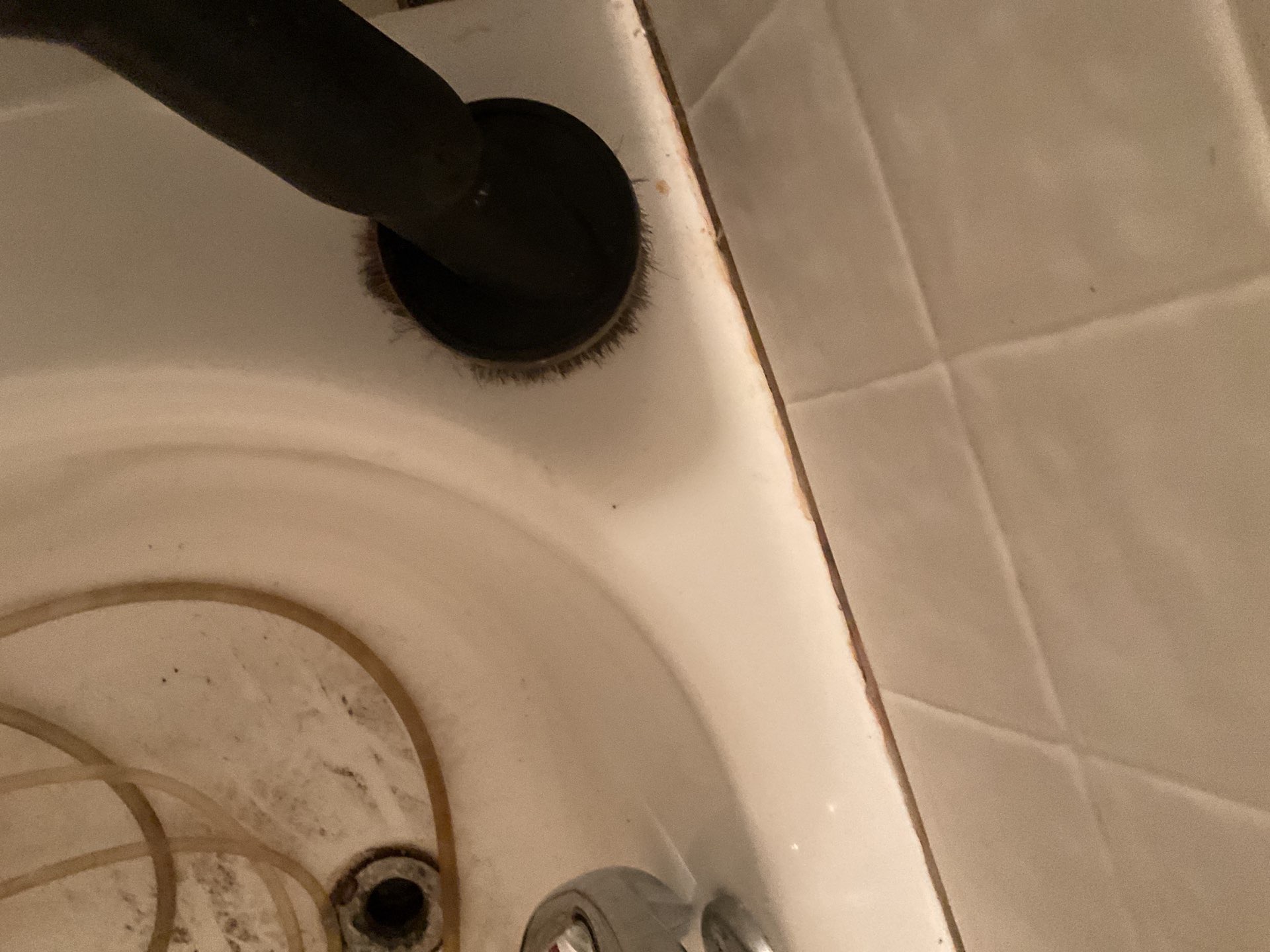
Bathroom water damage Plano TX cases share one thing in common: constant water use paired with plumbing hidden inside walls and floors. A slow leak at a tub drain or supply line can run for weeks behind tile before anyone notices it. That leak spreads into the subfloor, the walls, and the ceiling of the room below. This Plano project shows how we trace a bathroom leak to its source, contain it so it does not spread, and dry it out. It also shows why the containment step is one most homeowners never think to ask about.
Starting at the source
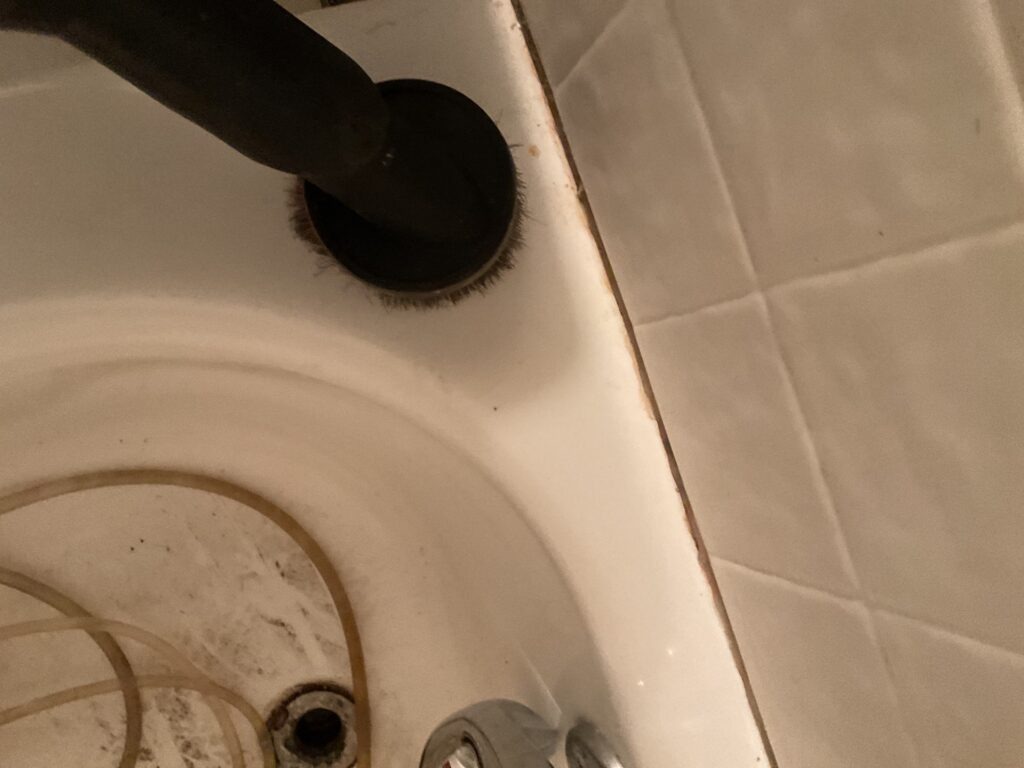
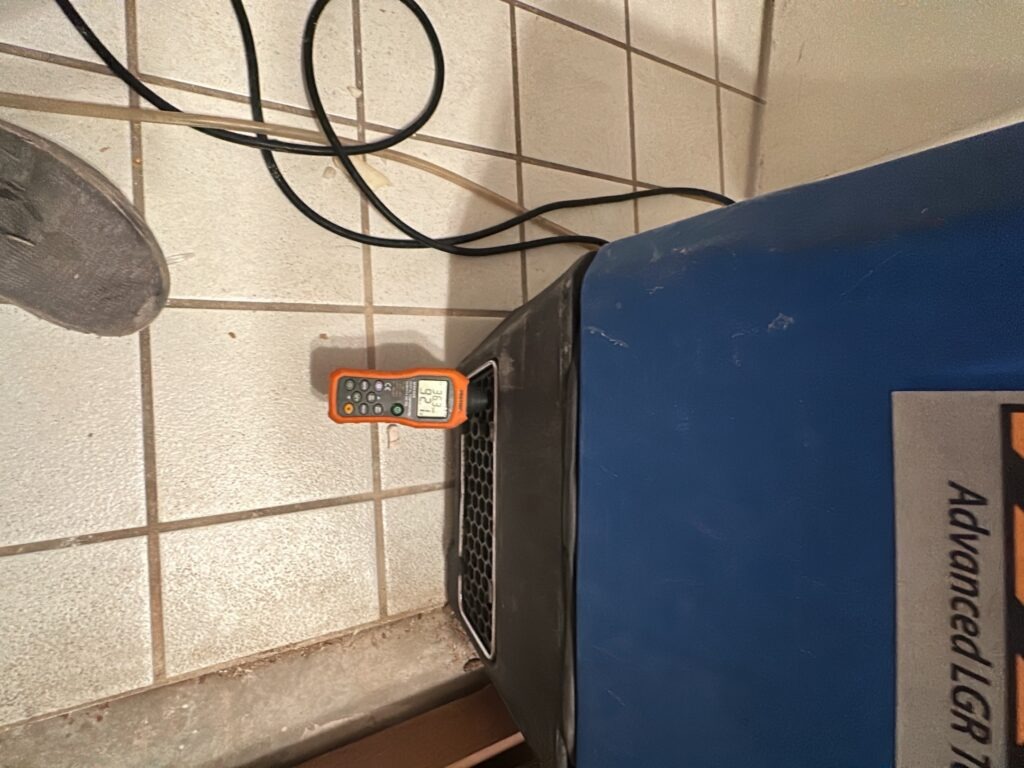
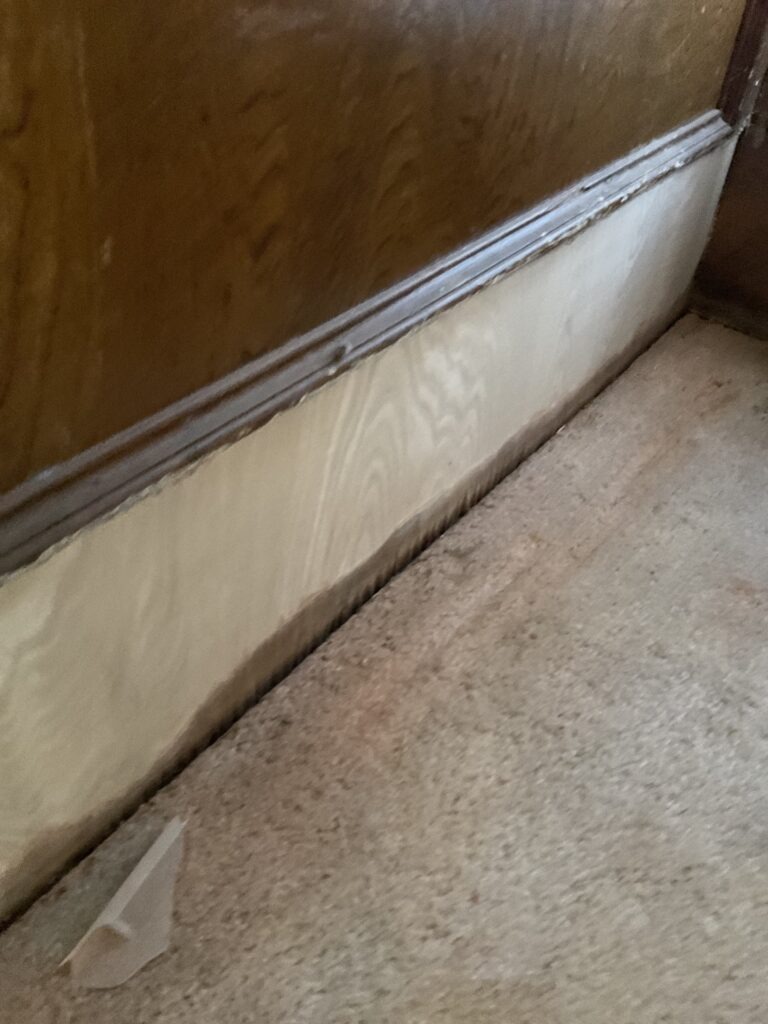
Good water mitigation in a bathroom starts by finding where the water comes from, not just where it pooled. At this Plano home, we inspected the bathtub drain and plumbing area first. A leak at the drain or the connections behind it will keep feeding moisture no matter how much drying you do. We used a moisture meter on the tile floor and around the affected areas to map how far the water had traveled. Then we removed baseboard to reach and check the lower wall sections above the carpet in the adjacent space.
Why containment matters
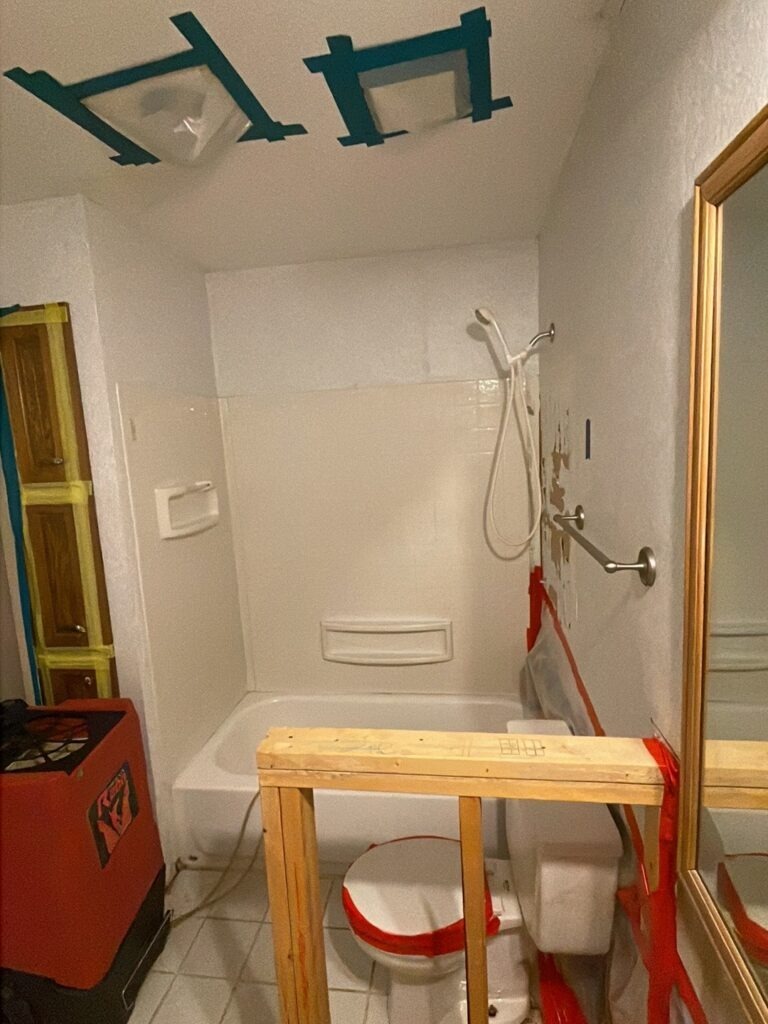
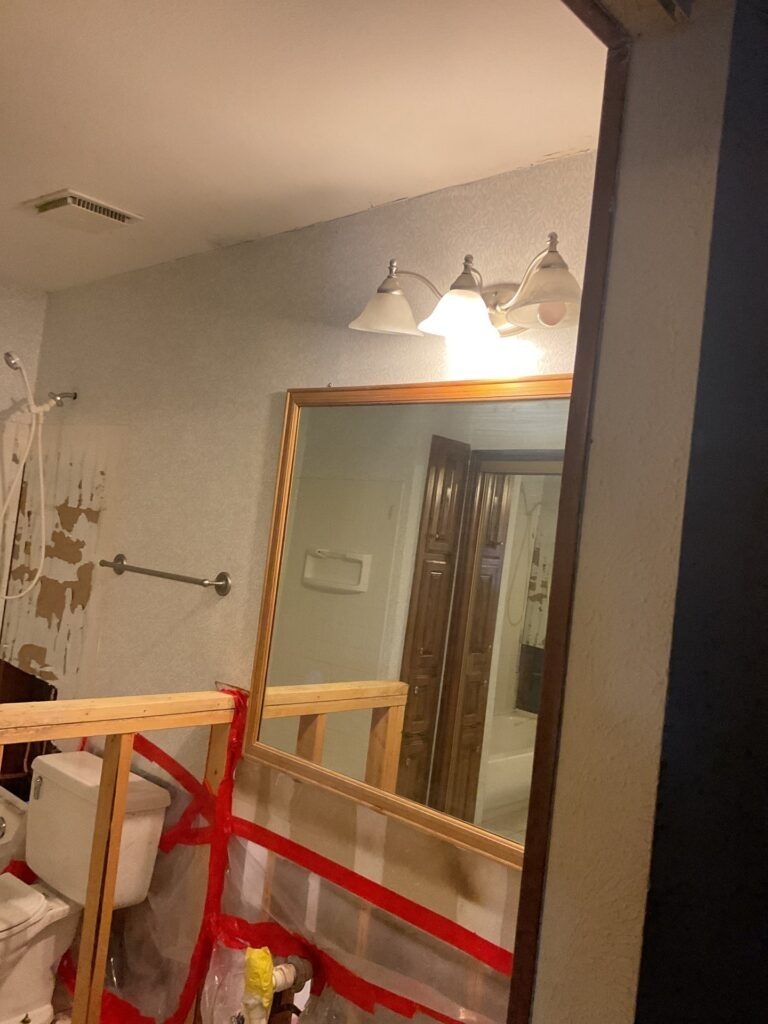
One thing that sets professional mitigation apart is containment. In this bathroom, we set up containment framing and taped barriers. We also made controlled openings in the ceiling and walls to reach the wet cavities. Containment keeps dust, debris, and any microbial growth from spreading into the rest of the home while the walls stay open. It also lets the drying equipment work on the affected area efficiently. Opening a wall or ceiling is not extra damage; it is how wet framing and insulation get dried instead of staying sealed up damp behind finished surfaces.
Drying it out properly
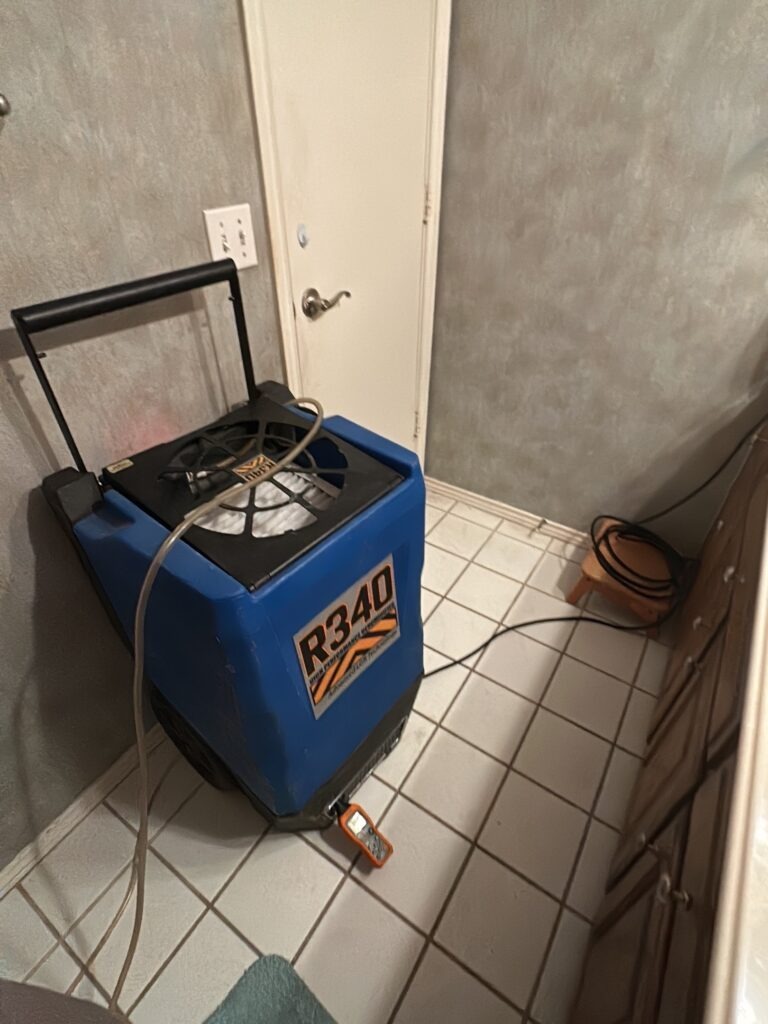
Once we identified the source and contained the area, dehumidifiers and drying equipment brought the bathroom and its structure back to normal moisture levels. Moisture readings guide this process. Drying continues until the materials actually measure dry rather than just looking dry. That distinction is what prevents a bathroom leak from turning into a mold problem a month later.
Result and next step
This bathroom water damage Plano TX project record documents the source inspection at the tub and plumbing, the moisture mapping, the contained openings, and the structural drying. If you suspect a bathroom leak, the right next step is an inspection that finds the source and measures the moisture. That way, the repair addresses the leak and every wet material it created, not just the visible spot.
Guidance for property owners in Plano and North Texas
Watch your bathrooms for the early signs of a hidden leak: a musty smell, tile or flooring that feels loose or soft, staining on the ceiling of the room below, or caulk and grout that never seems to dry. Any of these signs is worth a professional inspection. A bathroom leak caught early is a small repair, but one left alone becomes a structural and mold problem across two rooms.
Related guidance
Learn more about our water damage restoration service, or get help now if you suspect a hidden bathroom leak.
More Rainy Day projects: Water Damage Mitigation and Reconstruction in Denison, TX.
“Rainy Day helped us out in short order and did terrific work both with the drying out and also the restoration once we recovered from the flooding.”