
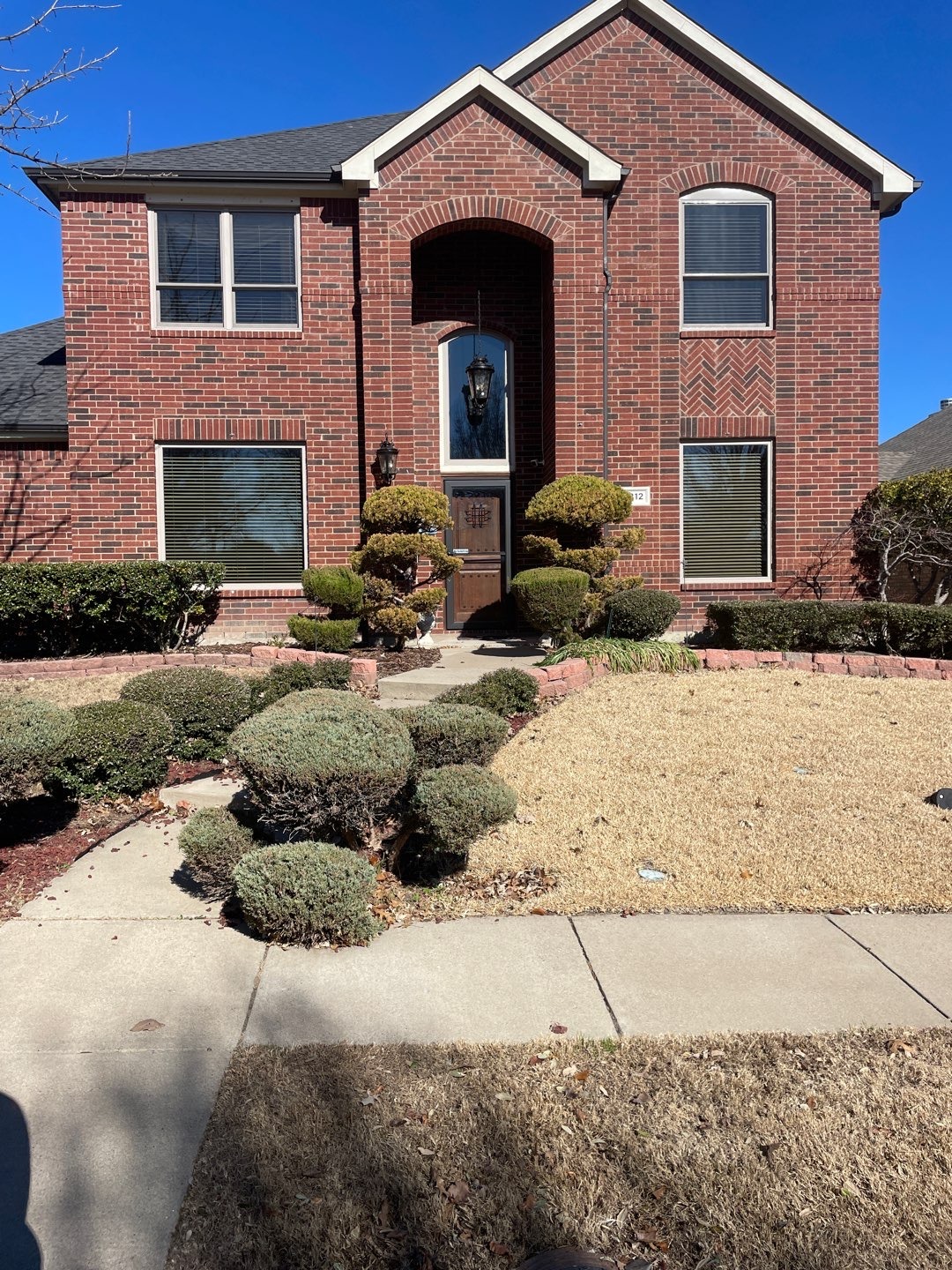
In North Texas, some of the worst water damage arrives on the coldest days of the year. When temperatures drop below freezing, water inside pipes can freeze, expand, and split the pipe, and when things thaw, that break releases water inside the walls of the home. This McKinney project was a freeze-related loss, and it shows why frozen-pipe damage is so disruptive and how a methodical mitigation gets a home dried out and ready to rebuild.
Why a freeze causes so much damage
A frozen pipe rarely leaks in a tidy spot. The break is usually inside a wall, in an attic, or under a floor, so the water spreads through the structure before it ever appears as a visible leak. At this two-story McKinney home, the damage reached interior walls and a bathroom. Our first job was to define how far the water had traveled, which is why you see the demolition scope marked out and moisture readings being taken throughout the affected areas rather than in just one spot.
Mapping and marking the scope
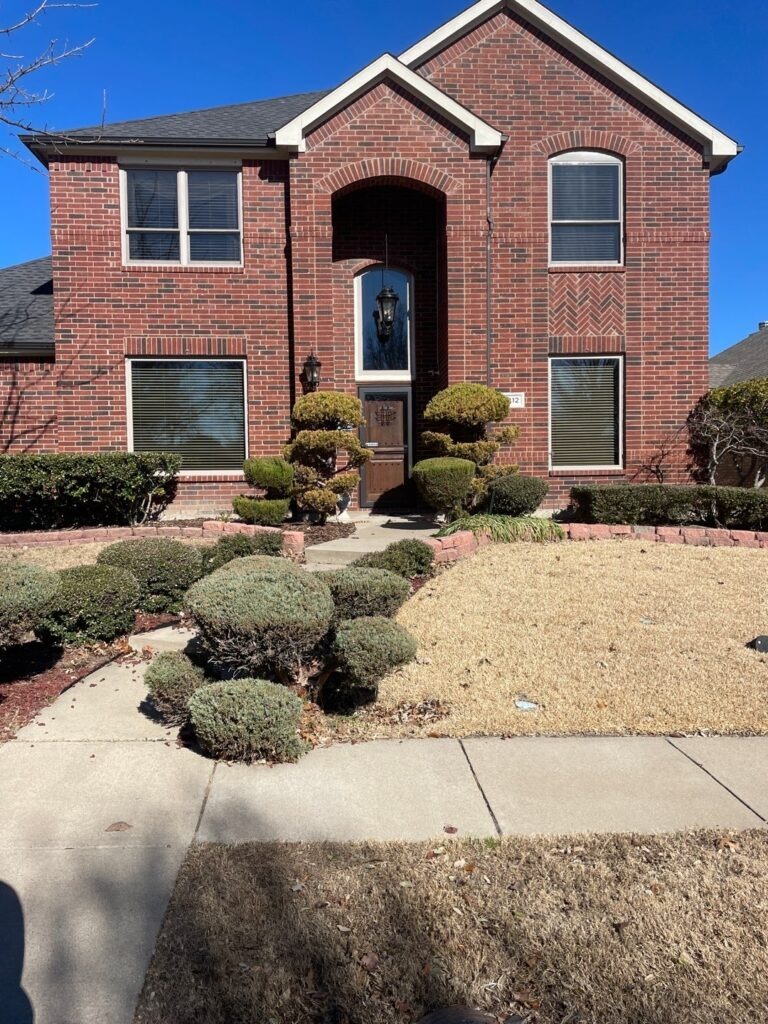
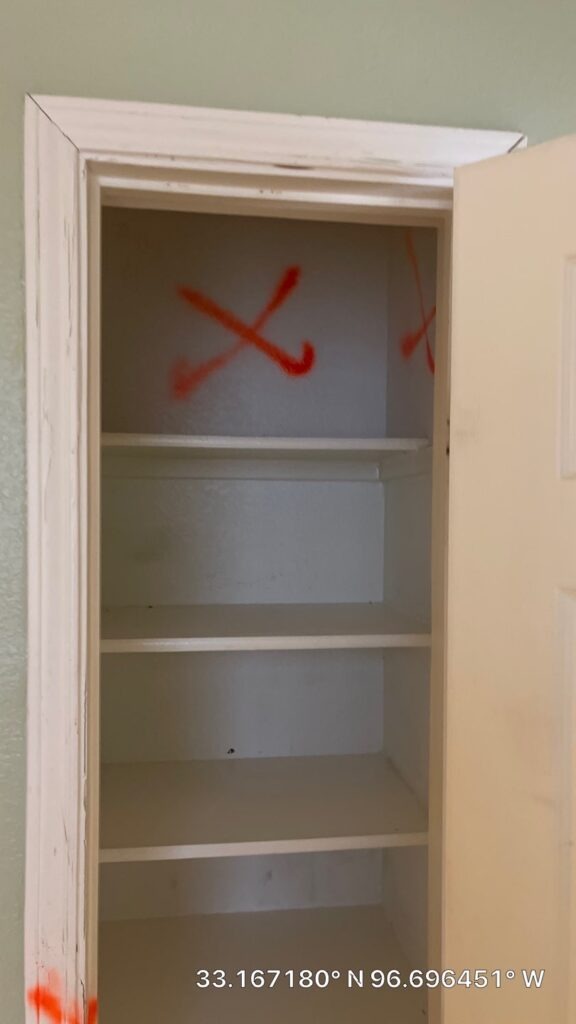
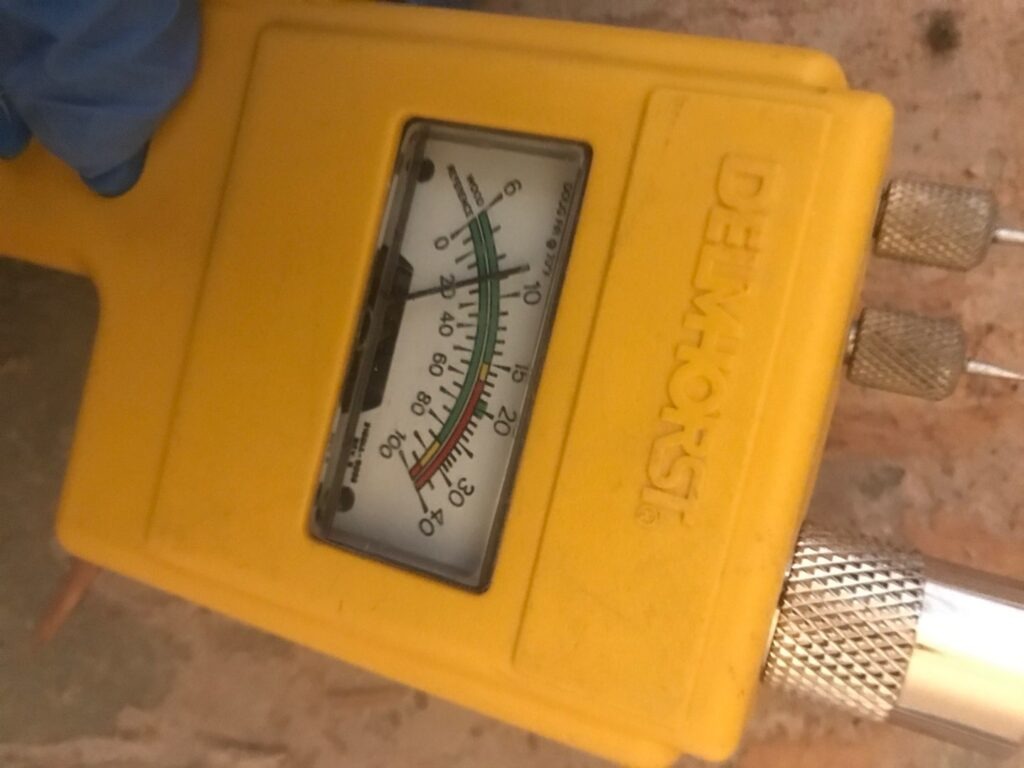
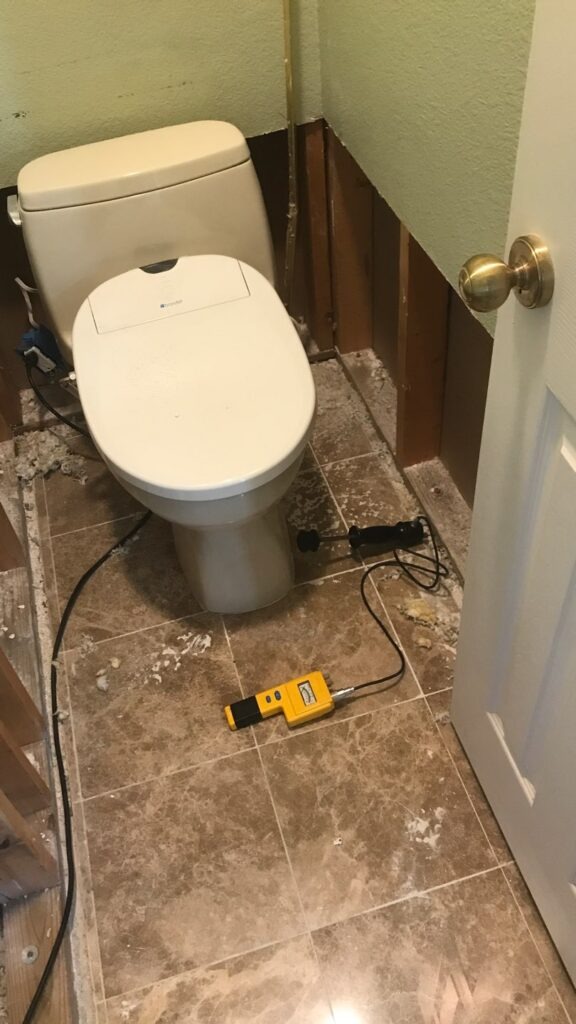
Before removing materials, our team documented the moisture with a meter and marked the areas that needed to come out. Handheld moisture readings on the walls showed where materials were wet behind the surface, and the marked scope in areas like the closet turned that into a clear demolition plan. Working to a documented scope keeps the demolition precise, only what is wet comes out, and gives the homeowner and their insurer a clear record of why each area was addressed.
Removing wet materials and drying the structure
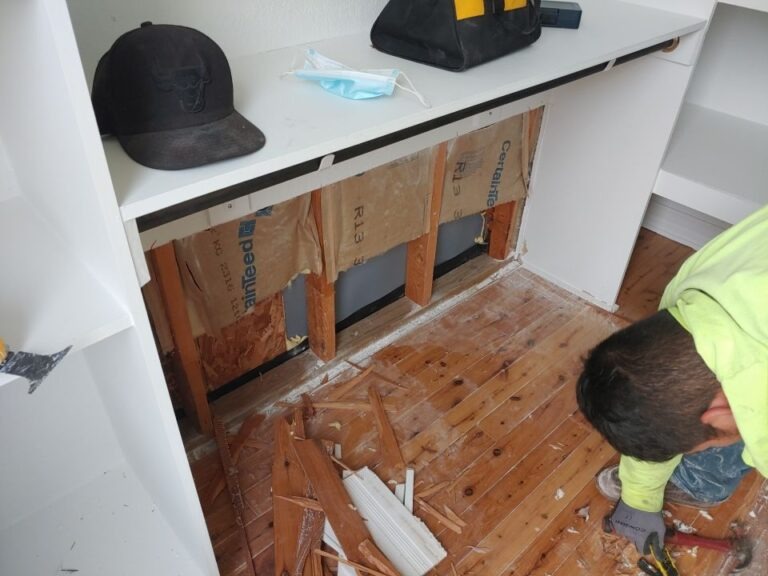
In the bathroom, damaged wall materials and baseboards were removed to expose the wet framing and let it dry. Freeze losses often involve saturated drywall and trim low on the walls, where water collects, so removing those materials and drying the structure behind them is what prevents mold from following the water. Drying continues, guided by moisture readings, until the framing measures dry and the home is ready for reconstruction.
Result and next step
The project record documents the freeze-related loss, the marked demolition scope, the bathroom demolition, the moisture readings, and the mitigation work at this McKinney home. If a frozen or burst pipe has released water into your home, the right next step is fast mitigation that maps the full spread of the water, because freeze losses hide inside the structure and get worse the longer they sit.
Guidance for property owners in McKinney and North Texas
Before a hard freeze, protect your pipes: disconnect hoses, insulate exposed lines, and let faucets drip on the coldest nights. If a pipe does freeze and you later find water stains, a musty smell, or damp drywall, treat it as urgent, because the water from a freeze break has usually spread through the walls before you see it. A prompt moisture inspection is the best way to catch the full extent early.
Related guidance
Learn more about our water damage restoration service, or get help now after a frozen or burst pipe.
More Rainy Day projects: Water Damage Mitigation and Reconstruction in Carrollton, TX.
“After a nightmare evening of dealing with a major plumbing leak, Rainy Day Restoration came that next morning to the rescue. John, Jeff and their entire team were extremely knowledgeable and answered every question. I highly recommend their services.”